

Is Eel Sauce Vegetarian, or Does It Depend on Who's Making It
You're staring at the sushi menu. The cucumber roll looks safe. Then you see "eel sauce drizzle" listed as an add-on, and you pause. Is eel sauce vegetarian? The honest answer: it depends entirely on the kitchen making it, not on the name printed on the menu. That single fact trips up more vegetarian and vegan diners than any other sushi ingredient.
The name is the problem. "Eel sauce" sounds like it must contain eel. In most restaurants, it doesn't — the base is usually soy sauce, sugar or mirin, and sometimes dashi. But "usually" is not "always," and that gap is exactly where diners get burned.
Why Restaurant Eel Sauce Confuses So Many Diners
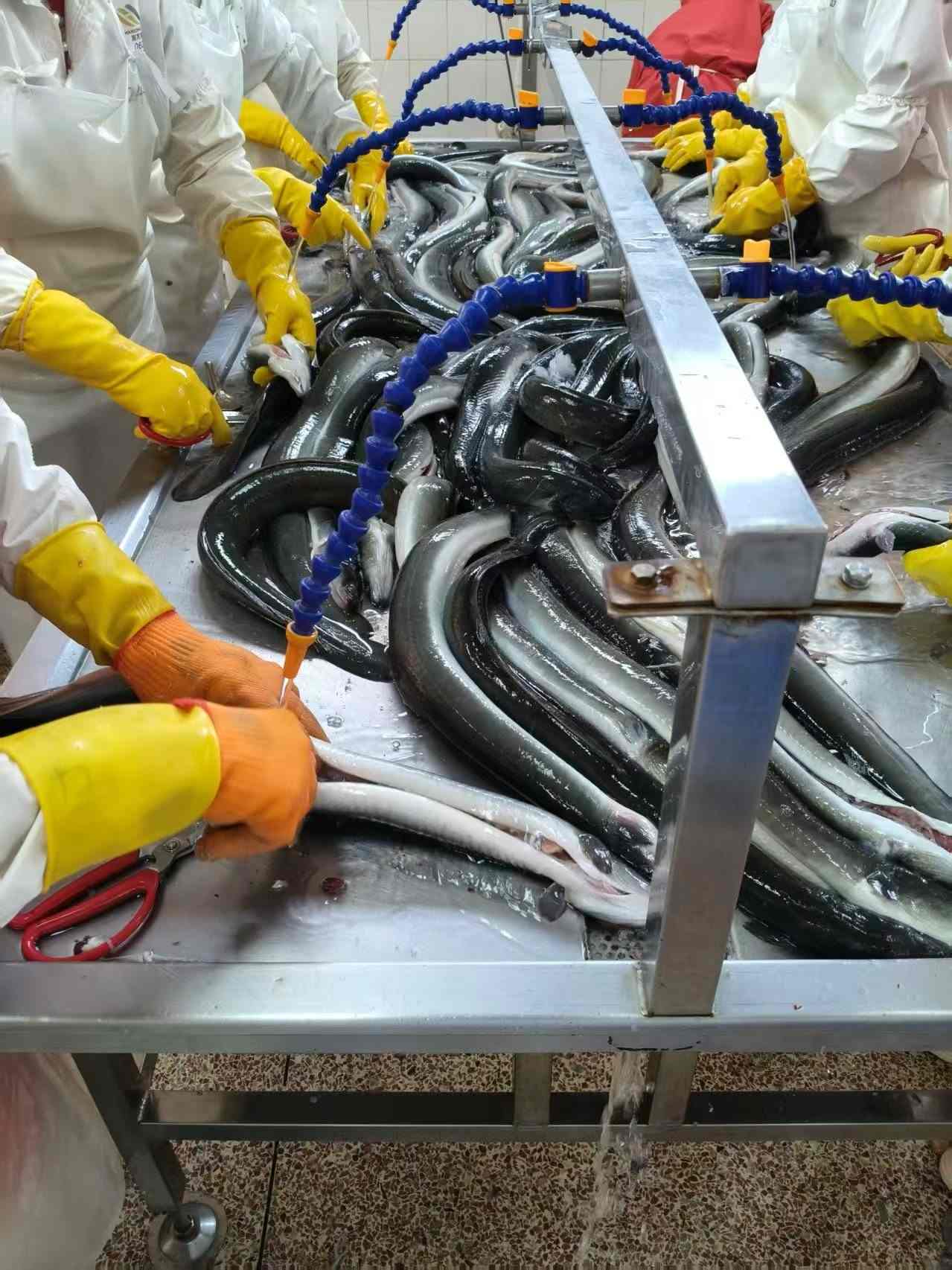
Traditional Japanese unagi tare (the glaze brushed onto grilled eel) started as the reduction liquid from roasting eel — soy sauce, mirin, and sugar simmered with eel drippings for depth. Over decades, as the sauce became a stand-alone table condiment in the US and elsewhere, most commercial versions dropped the eel entirely. It's now typically a soy-mirin-sugar reduction, sometimes thickened with cornstarch.
That's why restaurant eel sauce is, in most Western sushi bars, plant-based. But three things break that pattern:
- House-made tare that still uses eel bones or drippings — some higher-end or traditional-style restaurants stay closer to the original recipe.
- Shared reduction pots — kitchens sometimes simmer eel-based stock and a "vegetarian" sauce base in the same equipment without a full clean between batches.
- Fish-derived additives — bonito flakes (katsuobushi) or fish sauce sometimes get added for umami, even in sauces that never touched eel.
So the keyword question — is eel sauce vegetarian — really splits into two separate questions: does it contain eel, and does it contain any fish-derived ingredient at all. Vegetarians care about the first. Vegans and strict vegetarians care about both, plus cross-contact.

Is Restaurant Eel Sauce Vegetarian by Default? A Quick Comparison
Here's a practical breakdown of what you're likely to encounter, based on common commercial and house-made formulations:
| Sauce Type | Typical Base Ingredients | Vegetarian? | Vegan? |
|---|---|---|---|
| Bottled commercial eel sauce (common in US sushi bars) | Soy sauce, sugar, mirin, cornstarch | Usually yes | Usually yes |
| House-made tare, modern style | Soy sauce, sugar, mirin, sake | Usually yes | Usually yes |
| Traditional-style tare (some izakaya/specialty unagi shops) | Soy, mirin, sugar, plus eel drippings/bones simmered in | No | No |
| Sauce with bonito or fish sauce added for umami | Soy, mirin, sugar, katsuobushi or fish sauce | No (fish-derived) | No |
Notice the pattern: the sauce most people picture — the sweet, dark glaze on a California roll — is generally plant-based. But "generally" is a probability, not a guarantee. If you're strictly vegetarian, that gap matters.
How to Ask Sushi Restaurants About House-Made Sauce, Broth Additions, and Cross-Contact Without Relying on the Sauce Name
Asking "does the eel sauce have eel in it?" often gets you a shrug or a guess from a server who didn't make it. Better to ask questions that target the actual risk points. Here's a step-by-step approach:
Step 1 — Ask about the sauce's origin, not its name
Say: "Is your sweet soy glaze made in-house, or is it a bottled product?" House-made sauces vary far more than bottled ones. If it's bottled, ask to see the label or ask the manager directly — bottled products almost always list ingredients clearly.
Common failure: Asking only "is it vegetarian?" Staff sometimes assume you mean "no visible meat," not "no animal-derived stock."
Step 2 — Ask what stock or dashi touches the kitchen's sauces
Traditional dashi is often made with bonito flakes or dried fish. If the kitchen uses a shared dashi base for miso soup, sauces, and simmered dishes, that stock can end up in things that look vegetarian on paper.
Checkpoint: Ask specifically, "Do you use bonito or fish-based dashi anywhere in your sauces?" This catches hidden animal ingredients that have nothing to do with eel.
Step 3 — Ask about shared equipment and cross-contact
Even a fully plant-based sauce recipe can pick up eel residue if it's simmered in the same pot used for eel stock, or brushed with a shared basting brush during grilling service.
Checkpoint: "Is this sauce made in a separate pot from your eel or fish stocks?" If the kitchen can't answer confidently, treat the sauce as uncertain.
Step 4 — Confirm with a manager for strict dietary needs
Servers rotate and don't always know recipes. For strict vegetarian, vegan, religious, or allergy-driven requests, ask to speak briefly with the kitchen manager or chef.
Common failure: Accepting a confident-sounding answer from a server who's guessing. Confidence isn't the same as accuracy.
Step 5 — Ask about substitutions if the answer is unclear
Many kitchens can swap in soy sauce, ponzu, or a simple sesame-soy dressing instead of their standard glaze. This sidesteps the whole question.
Ordering Vegan Sushi Sauce Safely — A Checklist
Use this before you order, especially at a restaurant you haven't visited before:
- Ask if the sauce is bottled or house-made — bottled is easier to verify.
- Ask about bonito/dashi use across all sauces, not just the eel-style glaze.
- Ask about shared pots or brushes if you need zero cross-contact, not just "mostly vegetarian."
- Request a substitute sauce — soy-ginger or ponzu is almost always vegan-safe and widely available.
- Check the roll itself — mayo-based sauces on vegetable rolls sometimes contain egg, which matters for vegans even if the eel sauce question is settled.
A Cost and Sourcing Note for Restaurant Owners
For sushi restaurants building a menu that can honestly answer these questions, sourcing matters as much as recipe writing. A supplier-verified eel sauce with disclosed, consistent ingredients lets front-of-house staff answer diner questions accurately instead of guessing. This also reduces liability risk compared with an undocumented in-house recipe that changes by shift or by chef.
Restaurants pairing sauce sourcing with frozen unagi kabayaki supply chains often find it easier to keep two clearly separated product lines — one true kabayaki tare with eel-derived flavor, and one plant-based glaze for vegetarian orders — rather than relying on a single ambiguous house sauce. For kitchens wanting more detail on how the coating and glazing process affects flavor and ingredients, our article on kabayaki sauce production breaks down what actually goes into a traditional glaze.
Common Mistakes Diners and Kitchens Both Make
- Assuming the sauce name reflects its content — "eel sauce" is a legacy name, not an ingredient list.
- Trusting a menu icon (like a "V" symbol) without confirming with staff — menu design often lags behind actual recipes.
- Not asking about dashi separately — many diners check the eel sauce but skip asking about miso soup or simmered vegetable dishes that use the same fish stock.
- Overlooking shared kitchen equipment — a "technically vegetarian" recipe can still pick up cross-contact residue.
- Assuming vegan and vegetarian are the same standard — a sauce with no eel can still contain honey, mirin with added flavorings, or other non-vegan components depending on the brand.
Where This Fits Into Broader Sushi Menu Ingredients
Eel sauce is just one item on a longer list of sushi menu ingredients that carry hidden animal products — mayo-based spicy sauces, fish-based dashi in vegetable rolls, and even some soy sauces brewed with added flavor enhancers. If you're building a habit of asking about one sauce, extend the same five-step approach to any "sauce" or "glaze" on the menu. It's the same logic every time: ask about origin, ask about shared stock, ask about shared equipment.
For home cooks curious about what a properly made tare tastes like without the sourcing guesswork, our eel sauce recipe and storage guide walks through a make-ahead version you can control ingredient by ingredient.
Quick FAQ
Is restaurant eel sauce vegetarian? In most Western sushi restaurants, yes — commercial and house-made versions are typically soy, sugar, and mirin with no eel. But some traditional-style kitchens still simmer eel drippings into the glaze, so always ask.
What to ask about eel sauce at sushi restaurants? Ask whether it's bottled or house-made, whether bonito or fish-based dashi is used anywhere in the kitchen's sauces, and whether it's prepared in equipment shared with eel or fish stock.
Can vegetarians eat eel sauce with sushi? Generally yes, based on common recipes, but confirmation from the kitchen is the only reliable way to know for a specific restaurant on a specific day.
If you're a restaurant or distributor sourcing a verified, ingredient-disclosed eel sauce or kabayaki product for your menu, request a spec sheet or sample from our team to compare against your current supplier.