

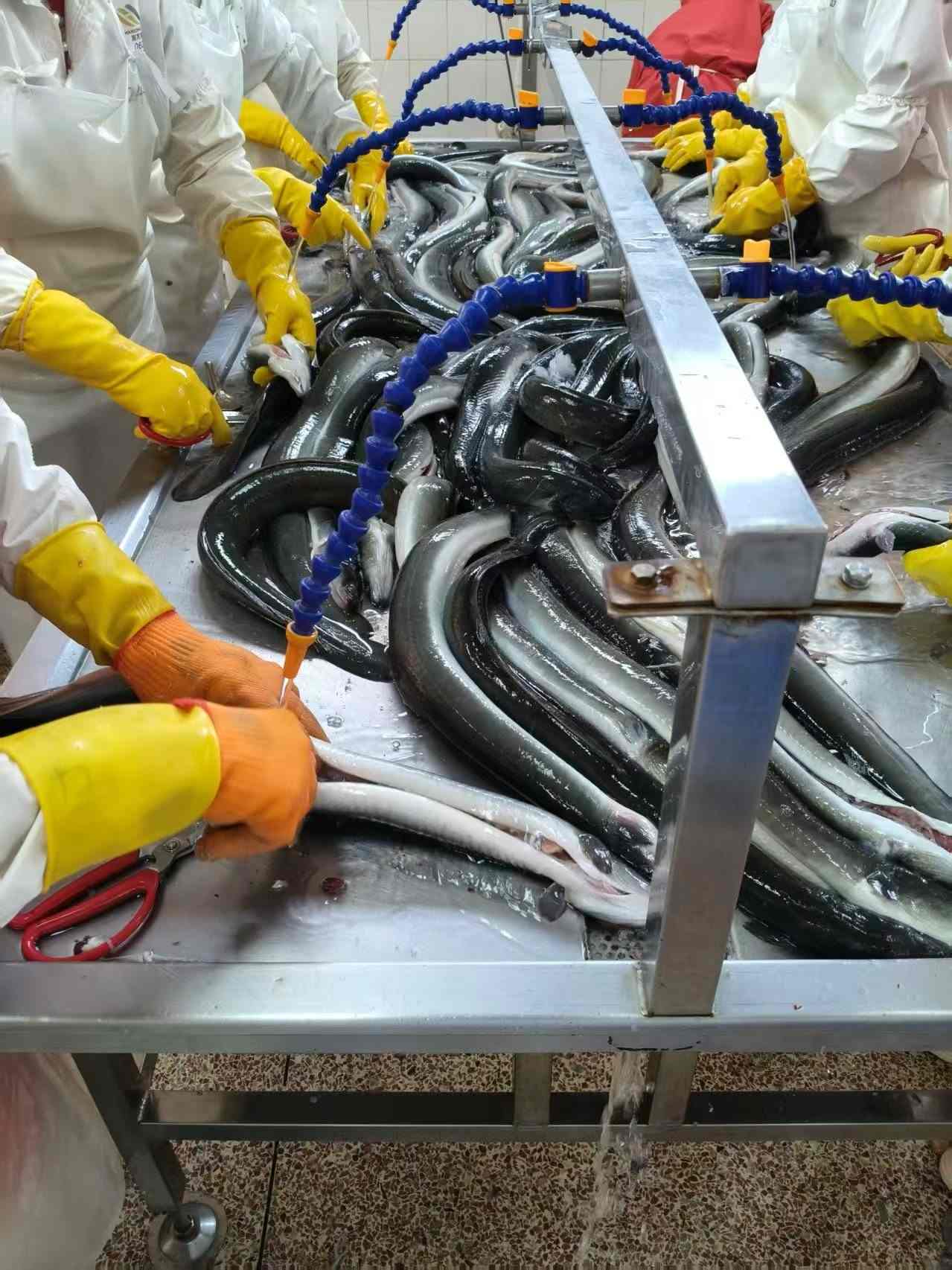
What Type of Eel Is Used in Sushi and Why It Matters More Than You Think
You order an eel roll. The menu says "unagi." But is it really Japanese freshwater eel — or something else wearing the same sauce?
This question trips up diners, menu writers, and import buyers alike. What type of eel is used in sushi actually depends on which dish you're eating, where it's served, and sometimes what's available that week. There isn't one single answer, and that's exactly where confusion — and mislabeling — creeps in.
Let's clear it up, species by species, so you can order with confidence or write a menu that doesn't get you in trouble.
Unagi vs Anago — The Two Eels Everyone Confuses
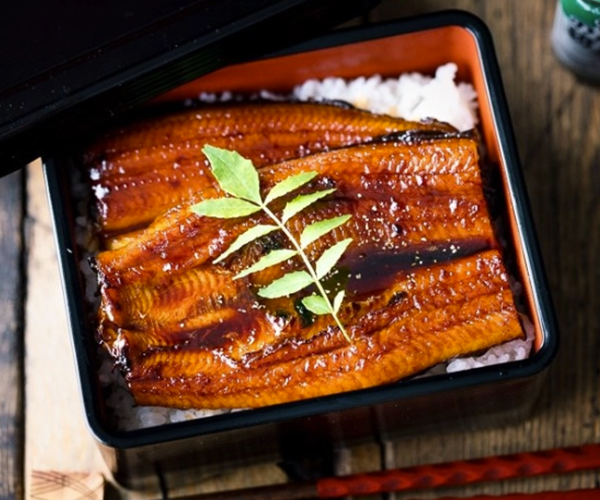
Unagi is freshwater eel, usually Anguilla japonica (Japanese eel). It's grilled with a sweet soy glaze — the kabayaki sauce you probably know from donburi bowls. Rich, fatty, deeply savory.
Anago is saltwater conger eel (Conger myriaster). It lives in ocean waters, not rivers. Leaner. Milder. Often served lightly simmered rather than charcoal-grilled, sometimes with a lighter glaze or just a pinch of salt.
Here's the simple test: if the eel tastes rich and buttery with a deep caramelized glaze, it's likely unagi. If it's more delicate, flakier, and slightly sweet without the heavy char, you're probably eating anago.
Quick Flavor and Texture Comparison
- Unagi: higher fat content, firmer bite, glazed and grilled over direct heat
- Anago: leaner, softer texture, usually simmered in dashi-based broth first
- Unagi is almost always the pricier item on a sushi menu
- Anago is traditionally associated with Edo-style (Tokyo) nigiri
Comparison: Unagi, Anago, American Eel, European Eel, and Substitutes
Restaurants and importers don't always use Japanese eel. Supply shortages and cost pressures have pushed the industry toward other species and even non-eel substitutes. Here's how they stack up.
| Type | Habitat | Flavor Profile | Common Preparation | Typical Menu Use |
|---|---|---|---|---|
| Unagi (Japanese eel) | Freshwater rivers, farmed in ponds | Rich, fatty, slightly sweet | Grilled kabayaki with 4-layer soy glaze | Unagi don, nigiri, unakyu rolls |
| Anago (Conger eel) | Saltwater, coastal Japan | Mild, delicate, less oily | Simmered, lightly grilled | Edo-style nigiri, tempura |
| American eel | Freshwater rivers, US East Coast | Similar to unagi but slightly less fat | Kabayaki-style grilling (imported/processed) | Substitute for unagi in North American menus |
| European eel | Freshwater, Europe and North Africa | Comparable richness to unagi | Grilled or smoked; trade heavily restricted | Rare on sushi menus due to CITES trade limits |
| Substitutes (e.g., sea eel, catfish, imitation glaze) | Varies | Flatter flavor, lacks eel's natural oil | Glazed to mimic kabayaki appearance | Budget menus, mislabeling risk |
Note the European eel entry. Its wild population is under trade controls through the Convention on International Trade in Endangered Species (CITES), so genuine European eel rarely shows up on export menus today. If a menu claims "European eel sushi" at a bargain price, be skeptical.
Freshwater Eel Sushi vs Saltwater Eel Sushi — Why the Distinction Matters
Freshwater eel sushi (unagi, American eel) tends to be fattier and better suited to grilling with sauce, because the natural oil content holds up under high heat and repeated glazing. Saltwater eel sushi (anago) is leaner, so chefs usually simmer it first to keep it tender, then finish with a light brush of sauce rather than a heavy kabayaki coating.
For import buyers, this distinction affects sourcing decisions directly:
- If your menu features grilled eel don bowls, freshwater species (unagi) deliver the fat content needed for the classic glossy glaze.
- If you're building a lighter tempura or nigiri program, saltwater anago-style eel fits better texturally.
- Mixing the two without adjusting cook time is a common kitchen mistake — anago overcooks fast if treated like unagi.
Common Mistakes When Sourcing or Ordering Eel
- Assuming "unagi" on a menu always means wild-caught Japanese eel. Most commercial unagi today, including farmed Japanese eel, is aquaculture-raised — that's normal and not a red flag by itself.
- Not asking for species documentation from suppliers. Export-grade processors should be able to confirm species, origin, and inspection standards.
- Confusing the glaze for the fish. A sweet soy glaze doesn't confirm species — catfish or basa can be coated the same way.
- Ignoring bone content in imported eel. Foodservice buyers should confirm boneless/deboned processing to avoid back-of-house prep costs.
- Overlooking cold-chain handling. Eel quality drops fast if freeze-thaw cycles aren't controlled during shipping.
Buyer's Decision Checklist for Sourcing Eel
- Confirm species (Japanese eel, American eel, conger eel) in writing from the supplier.
- Ask whether the product meets your destination market's food inspection standards (Japan, US, EU each apply different veterinary drug residue and microbiological limits).
- Check whether cutting specifications match your menu — skewers, kabayaki fillets, cut pieces, or sushi slices.
- Request documentation on farming base traceability, not just a factory certificate.
- Clarify MOQ terms — catering chains, wholesalers, and export traders usually face different minimums depending on packaging (skin-pack vs. gift box).
- Confirm delivery timeline. A standard order-to-shipment window is roughly 30 days, though this shifts with spec and volume.
Is Unagi Always Japanese Eel? A Straight Answer
No. "Unagi" is a category label referring to freshwater eel prepared kabayaki-style, not a strict guarantee of species. Japanese eel (Anguilla japonica) is the traditional reference point, but American eel (Anguilla rostrata) is widely used as a substitute in North American and export markets because of supply limits on Japanese eel stock. Flavor and fat content are close enough that most diners can't tell the difference once it's glazed and grilled.
What Is the Difference Between Unagi and Anago Sushi?
Unagi is freshwater, fattier, and grilled with a thick multi-layer soy glaze. Anago is saltwater conger eel, leaner, and typically simmered before a lighter finish. If you want the classic sticky-sweet unagi don experience, you want freshwater eel. If you're after something more delicate for nigiri, anago is the traditional choice.
Can American Eel Be Used for Sushi?
Yes. American eel is a recognized substitute for Japanese unagi and is commonly processed into kabayaki-style products for export. It shares a similar habitat type (freshwater) and comparable fat content, which is why it performs well under the same grilling and glazing process. The key for buyers is confirming the processor applies export-grade standards — veterinary residue testing, microbiological checks — regardless of which eel species is used.
What This Means for Menu Writers and Import Buyers
If you're writing a menu, be specific. "Unagi" and "eel" are not interchangeable with "anago," and clarity avoids customer complaints and mislabeling risk. If you're importing, ask for species confirmation, inspection compliance, and traceability back to the farming base — not just a general seafood certificate.
Processors with full-chain control — from registered farming bases through lab testing and metal detection at critical points — reduce the risk of getting a shipment that doesn't match its label. That's the standard export buyers should expect, whether sourcing unagi kabayaki eel or seasoned aquatic products more broadly.

For kitchens building out donburi, nigiri, or roll programs, pairing the right eel species with the right sauce matters just as much as the cut. A heavy four-layer glaze suits fatty freshwater eel; a lighter brush works better on leaner saltwater cuts. If you're testing recipes at home, the eel sushi roll recipe for unakyu maki is a good starting point for seeing how glaze thickness changes the final texture.
Sourcing Notes for Export Buyers
Export-grade eel production involves more than grilling and glazing. Standardized cutting (shredding, dicing, strip-cutting, sushi slices), boneless processing, and ready-to-heat packaging all reduce prep time for foodservice kitchens. Buyers sourcing frozen kabayaki should also confirm cold storage capacity and shipping conditions — a facility with dedicated cold-chain infrastructure handles temperature swings far better than one relying on third-party logistics alone. This is worth checking directly with any supplier's eel farming base documentation before placing a bulk order.
Need help confirming which eel species and cut spec fits your menu or import program? Request a sample or spec sheet from our export team, and we'll walk through species, packaging, and delivery options based on your order volume.