

Are Eel Rolls Served Hot or Cold? Here's What Actually Determines the Right Temperature
You order an eel roll. It arrives lukewarm. Is that a mistake, or is that just how it's supposed to be? This question trips up a lot of diners — and even some home cooks plating their first attempt at sushi. The short answer: an eel roll should be served warm, not hot and not cold. But that answer hides a few layers worth unpacking, especially if you care about texture, food safety, or you're sourcing eel for a restaurant menu.
The eel inside a typical roll is broiled eel sushi — pre-cooked, glazed, and reheated just before assembly. That's different from raw fish like tuna or salmon nigiri, which stays cold by design. Mixing up these two logics is where most confusion (and most kitchen mistakes) start.
Why Eel Is Never Served Raw — and What That Means for Temperature
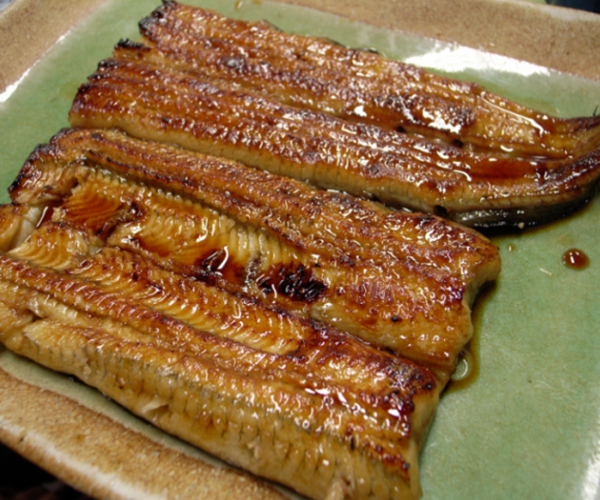
Freshwater eel, called unagi in Japanese cuisine, is never eaten raw. Its blood contains a protein toxin that's neutralized by cooking, so every eel roll starts with fully cooked eel — typically kabayaki-style, meaning it's butterflied, grilled, and basted repeatedly in a sweet soy glaze known as eel sauce (unagi tare).
Because the eel is pre-cooked and then chilled or frozen for storage, it needs a reheating step before it goes into a roll. This is the core reason eel rolls trend warm rather than cold: the eel itself performs better — texturally and flavor-wise — with heat reapplied.
- Raw fish rolls (tuna, salmon, yellowtail): served cold, kept under 41°F / 5°C until plating
- Eel rolls (unagi, unagi avocado, unagi cucumber): eel component reheated to steaming warm, rest of roll stays cool
- Tempura rolls: similar logic — hot component, cold rice and vegetables
The Boundary: Which Parts Should Be Warm, Room Temperature, or Chilled
This is the part most guides skip, and it's the part that actually matters for both taste and safety. An eel roll is not one uniform temperature — it's a stack of components, each with its own ideal handling zone.
| Component | Ideal Temperature | Why |
|---|---|---|
| Broiled eel (kabayaki) | Warm, 130–140°F (54–60°C) at serving | Reheating restores the glaze's stickiness and the eel's tender, slightly caramelized texture. Cold eel turns firm and loses aroma. |
| Sushi rice | Room temperature, around 68–75°F (20–24°C) | Traditional sushi rice is never served fridge-cold — cold starch hardens and dulls the vinegar seasoning. But it shouldn't be hot either, or it will overcook the nori and other fillings. |
| Avocado (eel avocado roll) | Chilled to cool, not warm | Heat turns avocado mushy and bitter. It should go in cold or at most cool, straight from refrigeration. |
| Cucumber, nori, cream cheese | Chilled | These are food-safety-sensitive or texture-sensitive fillers; they should stay refrigerated until the roll is assembled. |
| Eel sauce drizzle | Warm to room temperature | Warm sauce flows better over the roll and clings to the rice; cold sauce thickens and sits unevenly. |
The practical rule for kitchens and home cooks alike: heat only the eel and the sauce, keep everything else cool, and assemble quickly so the temperatures don't bleed into each other. Letting a finished roll sit for more than 10–15 minutes lets the warm eel heat the rice and soften the avocado — that's when quality drops fast.
Should Eel Rolls Be Served Warm? Here's the Direct Answer
Yes. A properly made eel roll is served with the eel warm and the rest of the roll cool to room temperature. This isn't a matter of preference — it's how the ingredient behaves.
- Reasoning: Kabayaki eel is coated in a reduced soy-mirin glaze that firms up and turns tacky when cold. Reheating (oven, torch, or steam) loosens the glaze and revives the smoky-sweet aroma.
- Scenario where this applies: Any roll using broiled or grilled eel — unagi roll, dragon roll, eel avocado roll, caterpillar roll.
- When it does NOT apply: Cold eel canapés or eel served in a chilled appetizer format (uncommon, but some fusion menus do this deliberately as a cold tapas-style bite). In that case, the eel is intentionally served cool for a different mouthfeel — but this is the exception, not standard sushi practice.
Can You Eat Eel Sushi Cold? Food Safety vs. Quality
Yes, you can eat cold eel sushi safely — because the eel is already fully cooked, there's no raw-fish risk the way there is with unpasteurized fish. Leftover eel rolls from the refrigerator are safe to eat cold, within normal food-safety windows.
That said, "safe" and "good" are different questions:
- Food safety: Cooked eel, properly refrigerated at or below 40°F (4°C), stays safe to eat for 1–2 days. Freezing extends this significantly — commercial kabayaki eel is typically shipped and stored frozen for exactly this reason.
- Quality: Cold kabayaki eel firms up, the glaze becomes tacky rather than glossy, and the smoky char flavor fades. It's edible, just not at its best.
If you're reheating leftovers at home, a short blast in a 350°F (175°C) oven for 3–5 minutes, or 20–30 seconds under a broiler, brings the texture most of the way back — better than a microwave, which tends to dry the eel out.
How Do Restaurants Serve Unagi Rolls? A Step-by-Step Look
Most sushi restaurants follow a similar sequence for handling frozen or chilled kabayaki eel before it reaches the roll station:
- Thaw frozen kabayaki eel under refrigeration overnight (never at room temperature — that invites bacterial growth on the surface).
- Reheat the portion needed, usually in an oven or under a salamander broiler, brushing on extra sauce to prevent drying.
- Slice into strips sized for the roll — this is where custom cutting specs like strip-cutting or chunk-cutting matter for consistency.
- Assemble the roll with room-temperature rice and chilled vegetables, adding the warm eel last.
- Finish with a fresh drizzle of warmed eel sauce and serve within minutes.
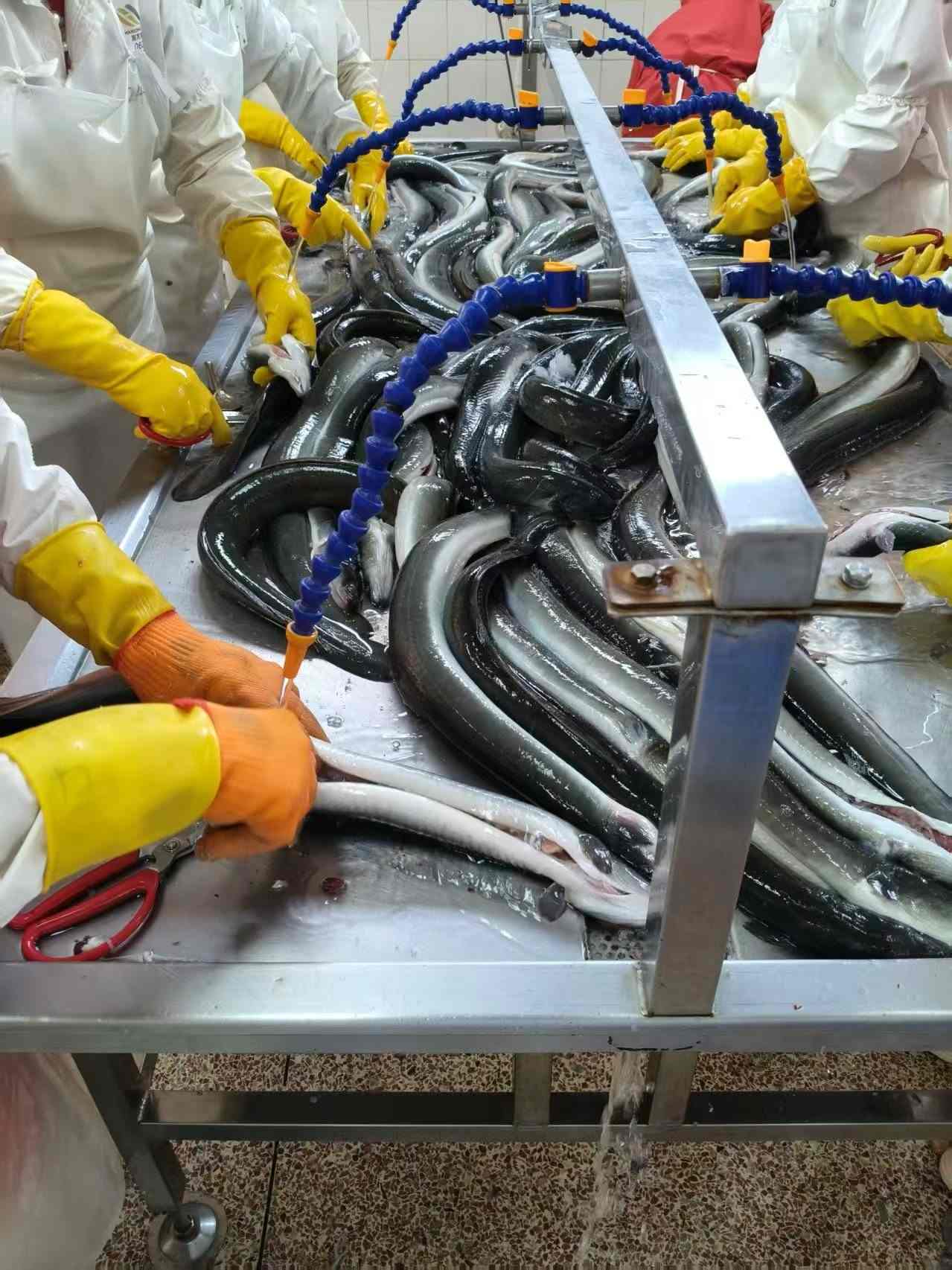
This is also why back-of-house efficiency matters for restaurant buyers. Pre-cut, boneless unagi kabayaki cuts prep time significantly compared to whole eel that needs deboning and butchering on-site — a real factor when a kitchen is turning out 200+ rolls a night.
Common Mistakes When Serving or Prepping Eel Rolls
- Microwaving the eel — uneven heat dries out the edges while leaving the center cold. Oven or broiler reheating is more consistent.
- Adding avocado before the eel cools slightly — direct contact with hot eel turns avocado mushy within seconds.
- Skipping the resting step — eel straight off high heat is too hot for rice contact and can make the roll fall apart when sliced.
- Using cold sauce — it won't coat evenly and looks clumpy rather than glossy.
- Refreezing thawed eel — this degrades texture badly and is not recommended for food-safety reasons either.
Buyer's Checklist: Sourcing Eel for Roll-Making
For restaurant buyers or wholesale purchasers evaluating suppliers, a few practical checks help avoid problems downstream:
- Confirm the eel is pre-cooked kabayaki, not raw fillet, if you need ready-to-heat product.
- Ask about cutting specifications available — strip-cut and chunk-cut suit different roll styles.
- Check cold-chain handling from factory to your kitchen; frozen product should stay below the required threshold throughout transit.
- Request documentation on food safety compliance, especially if importing across Japan, US, or EU inspection standards.
- Clarify minimum order quantities — these often differ for catering chains versus wholesale or export volumes.
For background on how kabayaki eel is produced and glazed before it reaches a kitchen, our article on kabayaki sauce production covers the layered soy-glazing process in more detail. If you're building out a menu and want ideas beyond rolls, the guide to eel rice bowl toppings is worth a look, and home cooks experimenting with technique might enjoy the eel sushi roll recipe for making unakyu maki from scratch.
The traditional principles of sushi preparation generally call for rice served at room temperature rather than chilled, which is part of why warm eel over room-temp rice — rather than cold rice — became the standard combination in Japanese kitchens.
Quick Reference: Temperature Rules for Eel Rolls
- Warm: kabayaki eel, eel sauce drizzle
- Room temperature: sushi rice, nori wrap
- Chilled: avocado, cucumber, cream cheese, any raw garnish
- Safe but not ideal: fully cold leftover eel rolls, refrigerated within 1–2 days
- Avoid: reheating in the microwave, refreezing thawed eel, letting assembled rolls sit longer than 15 minutes before serving
If you're sourcing kabayaki eel, eel sauce, or other frozen seafood for a restaurant or retail line and want guidance on cutting specs, MOQ, or cold-chain delivery timing, reach out for a sample pack or spec sheet before placing your first order.