


What Unagi Means on a Menu Versus a Supply Order
For a diner in a Japanese restaurant, "unagi" promises a delicious, savory grilled eel dish. For a food importer or a foodservice purchasing manager, what unagi means on a specification sheet can be far more complex. It can refer to the raw freshwater eel, a specific cut, or a fully prepared, ready-to-heat product. This ambiguity can lead to incorrect orders, menu inconsistencies, and unexpected costs. Understanding the context is essential for sourcing the right product that meets your operational needs and quality standards.
At Eelpro, we manage a vertically integrated supply chain, from our 19 customs-registered eel farming bases to our ISO 22000:2018 certified processing facility. We regularly guide clients in Japan, the US, and the European Union through the precise specifications required for their markets. The first step is always clarifying what "unagi" means for their business. This article will break down the terminology so you can source with confidence.
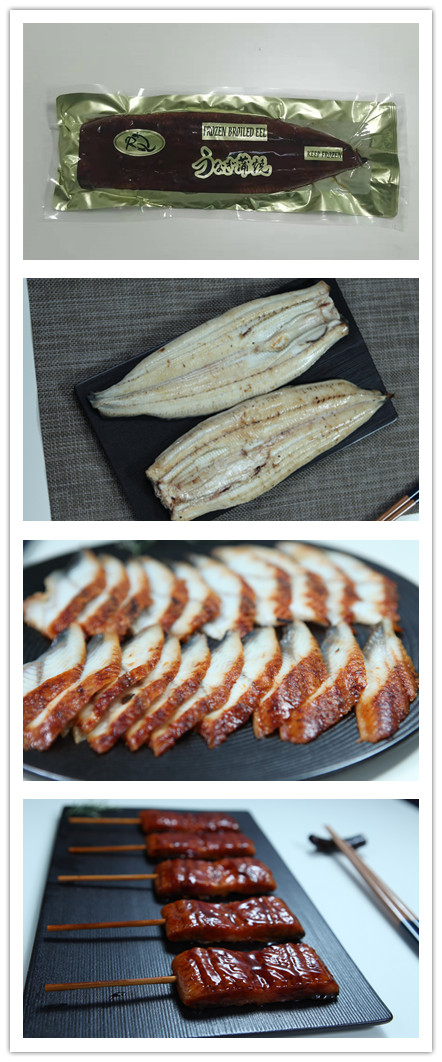
Decoding Unagi: Distinguishing the Ingredient from the Dish
When sourcing unagi, the difference between the raw material and the value-added product is critical. A menu uses the term broadly, while a purchase order demands precision. The preparation method, accompanying words, and context are the keys to identifying whether you are discussing the eel itself or a finished meal.
Misinterpreting these terms is a common pitfall. Ordering "unagi" without specifying "kabayaki" could result in receiving unseasoned, plain-grilled eel (shirayaki) or even raw, unprocessed eel, creating significant back-of-house labor your kitchen isn't prepared for. The following table breaks down common terms to help you clarify your needs with any frozen eel supplier.
| Term/Phrase | What It Usually Means | Key Context Clues | Example Application |
|---|---|---|---|
| Unagi (by itself) | The freshwater eel (Anguilla japonica) as an ingredient. Can be live, fresh, or frozen. | Found on raw material spec sheets, supplier inventory lists, or farm-level documentation. | "We need to source 5 tons of unagi (raw material) for processing." |
| Unagi Kabayaki | The finished dish: grilled eel glazed with a sweet soy-based sauce (tare). This is the most common preparation for export. | The word "Kabayaki" is the specific indicator of the grilling and glazing process. | "Our order is for frozen unagi kabayaki, 200g fillets, vacuum-packed." |
| Unadon / Unagi Donburi | A specific meal: a rice bowl topped with grilled eel (kabayaki). | "Don" or "Donburi" means "bowl" in Japanese, explicitly referring to the complete dish. | A restaurant menu item: "Unadon - Grilled Eel Rice Bowl." |
| Shirayaki | A prepared product: eel that is steamed and grilled without any sauce or seasoning. It highlights the natural flavor of the eel. | The absence of "kabayaki" or "tare." The term "shira" means "white," referring to the lack of dark sauce. | "We supply shirayaki to high-end restaurants that make their own signature glazes." |
| Unagi no Tare | The sauce itself, also known as eel sauce (unagi tare). It does not contain any eel. | The word "tare" means sauce or glaze. | "We need to purchase 500 liters of unagi no tare for our central kitchen." |
Key Specifications for Sourcing Foodservice-Ready Unagi
Once you've clarified that you need a prepared product like unagi kabayaki, the next step is to define the exact specifications. This ensures the product you receive is standardized, minimizes kitchen prep time, and meets your cost-per-serving targets. As a manufacturer with a 4,000-ton annual capacity, we accommodate a wide range of custom specifications for clients, from large restaurant chains in Japan to food importers in the United States.
Before placing an order, use this checklist to cover all critical points with your supplier.
Buyer's Decision Checklist for Frozen Unagi Kabayaki:
- Roasting Style: Do you require standard kabayaki with the rich, dark glaze, or 'white-roasted' eel (shirayaki) for your own seasoning? We have established color standards for our 4-layer soy-sauce coating process to ensure consistency.
- Cut Specification: Is a whole fillet required, or do you need pre-portioned cuts? Our capabilities include shredding, dicing, strip-cutting, chunk-cutting, a 3-section cut for bento boxes, and precise sushi slices. Standardized cuts are key to portion control.
- Fat Content: Does your application require a richer or leaner product? Our patented low-fat roasted eel processing technology allows us to manage the final fat content, a critical factor for both taste and texture.
- Packaging Format: What are your storage and handling needs? We offer options from bulk foodservice packs to individual skin-packaging and retail-ready gift boxes. The right packaging protects the product and streamlines kitchen workflow.
- Glaze Level & Flavor Profile: The sauce is fundamental. Is a standard glaze sufficient, or do you require a custom flavor profile? We can adjust the sweetness and viscosity of our kabayaki sauce to match regional preferences.
- Certifications & Traceability: What documentation is required for import? You should always request copies of certifications like ISO 22000, HACCP, and HALAL, along with evidence of traceability back to the farm.
Avoiding Common Pitfalls in the Eel Supply Chain
Sourcing eel internationally involves navigating a complex web of food safety standards, import regulations, and quality verification. With over a decade managing quality control for seafood exports, I've seen buyers face preventable issues that impact their bottom line. Our internal processes are designed to mitigate these risks for our partners in Germany, Poland, Australia, and beyond.
Here are three common mistakes to avoid when sourcing frozen unagi:

1. Overlooking Farm-Level Controls
The quality of the final product begins at the farm. Many importers focus only on the processing facility's certifications, but issues like veterinary drug residues originate at the farming stage. This can lead to costly container rejections at customs.
How to avoid it: Work with suppliers who have direct control or formal oversight of their raw material sources. We operate and partner with approximately 20 customs-registered eel farming bases, implementing a full-chain control system that includes targeted sampling and traceability from farm to shipment. This ensures our products meet the strict standards for Japan, the US, and the EU.
2. Accepting Vague Quality Standards
Terms like "high quality" are subjective. Without objective metrics, you can receive products with inconsistent sizing, broken pieces, or off-flavors. This directly affects your yield and customer satisfaction.
How to avoid it: Demand clear, measurable standards. For example, we established 'white-roasted color' and '1st-through-4th soy-sauce coating color' standards. Our quality control team of 25 specialists uses our professional in-house laboratory and metal detectors at critical control points to enforce these specs, ensuring every shipment is consistent.
3. Ignoring Cold Chain Management
The integrity of the cold chain is non-negotiable for frozen seafood. A single temperature fluctuation can compromise texture, flavor, and food safety.
How to avoid it: Verify your supplier's cold storage and logistics capabilities. We own and operate a 1,000-ton cold storage facility, which provides a stable environment for finished goods and ensures an unbroken cold chain from our production line to the port. This guarantees the product you receive is in the same premium condition as when it left our facility.
Understanding what unagi means in both culinary and commercial contexts is the foundation for successful sourcing. By asking the right questions and partnering with a certified, vertically integrated manufacturer, you can secure a reliable supply of high-quality eel products that reduce your operational risks and delight your customers. Many of our partners, from restaurant chains in Southeast Asia to distributors in Indonesia, rely on our standardized, ready-to-heat unagi kabayaki to streamline their kitchen operations.
To learn more about our custom cutting, packaging, and glazing options for your market, send us your product specifications for a detailed quotation.