


Where Does Eel Sauce Come From and Why Sushi Menus Get It Wrong
By Nancy Chen — Senior Food Safety & Quality Specialist, 12+ years in seafood export quality assurance, ISO 22000 & HACCP certified auditor.
You order a dragon roll. A server drizzles a thick, glossy brown sauce over it and calls it "eel sauce." But if you ask a Japanese grill chef where that sauce actually comes from, you'll get a completely different answer — one involving a clay pot, decades of repeated use, and zero bottles. So where does eel sauce come from, really? The short answer: it started as kabayaki tare, a grilling glaze brushed onto roasted eel, and only later got rebottled and sweetened for Western sushi counters.
Where Does Eel Sauce Come From? Tracing the Roots From Grill to Bottle
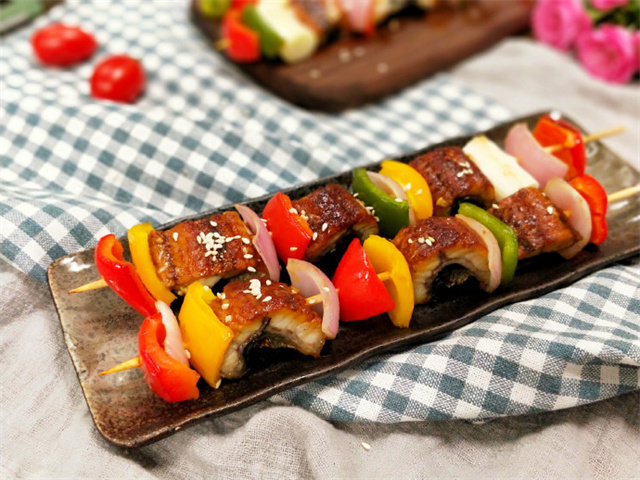
The sauce ladled over sushi rolls today is a distant cousin of the original. In Japan, kabayaki tare is a soy sauce, mirin, and sugar reduction that's brushed onto eel fillets during repeated grilling passes. Each pass caramelizes a little more sugar and deepens the color — that's the "1st-through-4th soy-sauce coating" standard our production team follows when roasting eel for export.
Traditional tare houses in Japan reuse the same base sauce for years, sometimes generations, topping it up rather than discarding it. The eel fat and juices that drip in during grilling build flavor over time — something a bottled sauce made in a single batch simply cannot replicate. When Western sushi restaurants needed a shelf-stable, consistent product for cold rolls (not grilled fish), they created a sweeter, thicker variation and kept the name "eel sauce." That's the real split explaining where eel sauce comes from on two very different menus.
Kabayaki Tare vs Bottled Eel Sauce: Direct Answers to Common Questions
Because the terminology overlaps so much, buyers and home cooks end up confused about which product they're actually asking for. Here are the direct answers.
Is bottled eel sauce the same as kabayaki tare?
No. They share a base of soy sauce, mirin, and sugar, but bottled eel sauce is usually sweeter, thicker, and made without eel drippings. Kabayaki tare is a grilling glaze; bottled eel sauce is a finishing drizzle.
Does eel sauce actually contain eel?
Traditional tare does, in trace amounts, from repeated contact with grilled eel fat. Most bottled "eel sauce" sold for sushi contains none — it's named after the dish it originally accompanied, not its ingredients.
| Feature | Kabayaki Tare (Traditional) | Bottled Eel Sauce (Modern Sushi Menu) |
|---|---|---|
| Primary use | Basting glaze during roasting | Cold drizzle or dipping sauce |
| Texture | Thin, glossy, slightly runny | Thick, syrupy |
| Sweetness level | Moderate, balanced with soy depth | High sugar content, candy-like |
| Eel content | Trace eel fat from grilling | Typically none |
| Shelf life | Reused and aged in-house, not sold | Bottled, shelf-stable for retail |
| Where you'll find it | Japanese unagi-ya (eel specialty restaurants) | Western sushi restaurants, grocery stores |
Where this matters most for buyers: if a recipe or menu calls specifically for kabayaki-style glaze — the kind brushed on during roasting — a bottled retail sauce won't behave the same under heat. It scorches faster due to higher sugar content. For actual grilling applications, you want authentic eel sauce formulated for heat exposure, not a cold-drizzle bottle.
How Kabayaki Sauce Is Actually Made in Export-Grade Production
Understanding the process explains a lot about quality differences between suppliers. Here's the general sequence used in our roasted eel lines:
- Raw eel selection — fillets sourced from registered farming bases with traceable lot numbers.
- White-roasting stage — eel is grilled plain first, establishing the "white-roasted color" baseline before any sauce touches it.
- First soy-sauce coating — a light layer applied at controlled temperature, then grilled briefly.
- Second through fourth coatings — each layer applied and roasted in sequence, building color and glaze depth gradually rather than all at once.
- Deodorizing step — patented equipment reduces residual fishy notes before final packaging.
- Freezing and cold storage — finished product moves into cold-chain storage to lock in texture and flavor until shipment.
This layered approach is why export-grade unagi kabayaki looks and tastes different from a quick one-pass glaze job. For a closer look at how the glaze itself is formulated, our kabayaki sauce breakdown covers the ratio logic in more detail.
Common Mistakes Buyers and Home Cooks Make With Eel Sauce
- Assuming all "eel sauce" labels are interchangeable. A bottle labeled eel sauce at a grocery store is not a substitute for kabayaki glaze in a grilling recipe — the sugar ratio differs enough to burn under direct heat.
- Buying based on color alone. A darker sauce isn't automatically more authentic. Color depends on caramelization time, not just soy sauce concentration.
- Ignoring sourcing documentation for B2B orders. Importers skipping traceability checks risk compliance issues later, especially for the EU and US markets where veterinary drug residue testing is mandatory.
- Storing sauce at room temperature after opening. Once a bottle is opened, refrigeration slows fermentation drift and flavor loss — most sauces hold quality for weeks chilled, not months at room temp.
- Overlooking allergen and soy content on restaurant menus. Soy-based tare is not gluten-free unless specifically reformulated — a detail easy to miss when adapting recipes.
How to Choose a Reliable Eel Sauce or Kabayaki Supplier: A Buyer's Checklist
For importers and foodservice buyers trying to source consistent product — not just answer where eel sauce comes from out of curiosity — the sourcing decision matters more than the trivia. Use this checklist before placing an order:
- Certification check — confirm ISO 22000:2018 and HACCP certification, plus HALAL status if required by your market. Ask for the SC production license number.
- Traceability depth — a supplier backed by customs-registered farming bases (ours covers roughly 2,150 mu across about 20 bases) should be able to trace a batch back to its farm origin.
- Cold-chain capacity — ask about cold storage volume. A 1,000-ton facility signals stable inventory buffering, reducing shipment delay risk during peak demand.
- Lab testing on-site — an in-house laboratory and metal detectors at critical control points reduce the chance of contamination issues reaching your dock. Our in-house eel lab runs this screening before export.
- Production capacity match — confirm the supplier's annual output (we run at roughly 4,000 tons finished goods per year across two lines) can support your order volume without constant renegotiation.
- Lead time clarity — ask for a written timeline. Standard order cycles run around 30 days from confirmation to shipment, though this shifts with specification and quantity.
This checklist applies mainly to bulk or repeat foodservice orders. If you're a home cook buying a single bottle for weekend sushi night, certifications and cold-chain details are irrelevant — just check the ingredient list for actual eel content versus a generic sugar-soy blend.
A Quick Scenario: Matching Sauce to Use Case
Say a restaurant group in Germany wants to add a grilled eel dish to its menu, not just drizzle sauce on rolls. They'd need an actual grilling glaze formulated to hold up under repeated basting passes — not a thick bottled retail sauce meant for cold application. Our export clients in the EU typically order frozen roasted eel with the glaze already applied in the 4-layer process, then finish it in-house with a quick reheat. That's a different sourcing need than a sushi bar buying bottled sauce by the case for cold rolls. Matching the product to the actual cooking method avoids wasted inventory and inconsistent plating.
Flavor-wise, the depth in traditional tare comes from umami built up through repeated reduction and eel fat contact — a quality marker worth tasting for when comparing suppliers side by side.
Where This Leaves Buyers and Cooks
So, where does eel sauce come from in practical terms? From a grilling tradition built around reused tare, now split into two products: an authentic glaze for roasting, and a sweetened bottled version for cold sushi applications. Knowing which one you actually need — before placing a wholesale order or buying a bottle for dinner — saves money and avoids a scorched batch on the grill. For sourcing frozen roasted eel or private-label sauce at volume, check our unagi kabayaki manufacturing page for spec options, or browse make-ahead storage tips if you're testing a smaller batch first.
If you're comparing kabayaki glaze against bottled eel sauce for a menu launch or private-label project, request a sample batch and spec sheet before committing to a full order — it's the fastest way to confirm texture and sweetness match your use case.