





Where Gulper Eels Live in the Deep Sea Across the Globe
As a quality assurance specialist in the seafood export industry, I often receive questions about different types of eels. One of the most fascinating is the gulper eel, or Eurypharynx pelecanoides. The first thing to understand is that the answer to where do gulper eels live is simple: the deep, dark, high-pressure environment of the world’s oceans, far from the commercial aquaculture farms that supply the food industry. They are creatures of the abyss, fundamentally different from the freshwater eels used in cuisine.
Understanding this distinction is not just a matter of biology; it's central to food safety, supply chain stability, and international trade compliance. The gulper eel’s extreme habitat makes it unsuitable for consumption, while the controlled environments of commercial eel farms are designed specifically to produce safe, high-quality products for markets like Japan, the US, and the European Union. Let's explore the gulper eel's unique environment and then contrast it with the traceable sourcing required for export-grade seafood.
The Global Distribution of the Gulper Eel
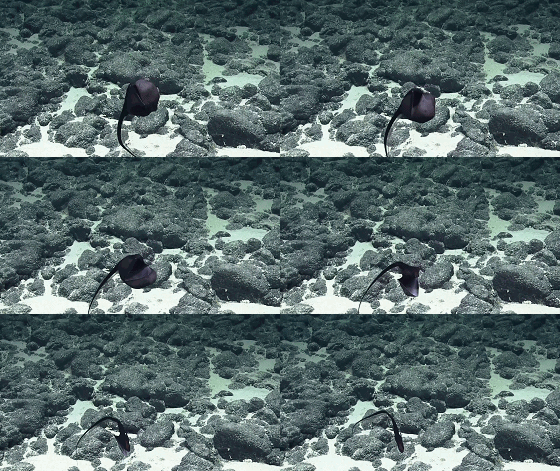
The gulper eel has a remarkably wide distribution, yet it remains one of the planet's most elusive creatures. This paradox—being found everywhere but seen almost nowhere—is explained entirely by its preferred habitat. They do not live in coastal waters, rivers, or any environment accessible to conventional fishing. Instead, they inhabit the deep ocean, specifically the bathypelagic zone, also known as the midnight zone.
Their geographic range is extensive, but it's a vertical, not a horizontal, presence. Here is a breakdown of their global locations and the reasons behind their rarity.
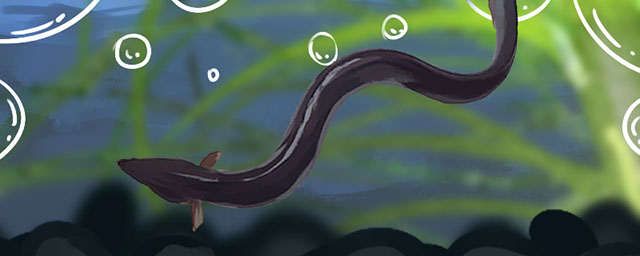
- Global Ocean Presence: Gulper eels are found in all temperate and tropical oceans around the world. This includes the Atlantic, Pacific, and Indian Oceans. They are not a regional species but a truly global deep-sea dweller.
- Extreme Depth Range: Their home is between 500 to 3,000 meters (about 1,600 to 9,800 feet) below the surface. At these depths, sunlight cannot penetrate, the temperature is near-freezing, and the water pressure is immense—over 100 times that at the surface.
- Why Sightings Are Rare: Despite their wide range, direct observation is incredibly difficult and expensive, requiring specialized submersibles. They are solitary animals, not schooling fish, which further reduces the chances of encounter. Most of what we know comes from accidental catches in deep-sea trawling nets or footage from remotely operated vehicles (ROVs).
- No Commercial Viability: The environment where gulper eels live makes them impossible to farm or fish commercially. Their biology is adapted for a low-energy, deep-sea existence, and their flesh is gelatinous and not considered palatable. This is a critical distinction for food importers sourcing eels for consumption.
This deep-sea existence means the gulper eel is completely separate from the global food supply chain. For reliable, safe, and consistently high-quality eel products, buyers must look to managed aquaculture systems.
Gulper Eel vs. Commercial Freshwater Eel: A Buyer's Comparison
For any B2B buyer, distinguishing between exotic species and commercially viable products is the first step in risk management. The gulper eel is an interesting biological specimen, but the freshwater eel (genus Anguilla) is the foundation of the global unagi kabayaki market. Understanding their differences highlights the importance of controlled sourcing for food safety and product consistency.
Here is a direct comparison for importers, distributors, and restaurant chains:
| Attribute | Gulper Eel (Eurypharynx pelecanoides) | Commercial Freshwater Eel (e.g., Anguilla japonica) |
|---|---|---|
| Habitat | Deep sea (500-3,000 m), bathypelagic zone, all global oceans. | Freshwater rivers and estuaries; sourced from certified aquaculture farms. |
| Diet & Biology | Eats larger prey infrequently; has a massive, hinged jaw and expandable stomach. Gelatinous body with minimal muscle. | Eats fish, crustaceans, and insects. Firm, flavorful flesh rich in oils, ideal for culinary applications like grilling and smoking. |
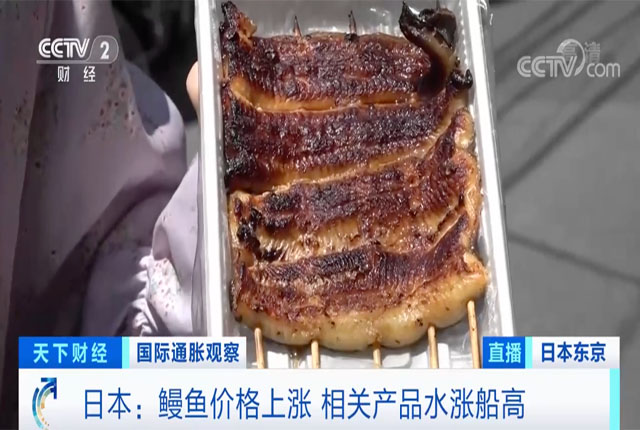
| Commercial Use | None. Studied for scientific interest only. Not for human consumption. | High-demand food product for foodservice and retail. Used in sushi, donburi, and other dishes. Also processed into products like eel sauce. |
| Sourcing Method | Not sourced. Rarely encountered by deep-sea research vessels. | Sourced from regulated and certified aquaculture facilities, such as our ~20 customs-registered unagi eeel farm for eelpro co., ltd partners. |
| Food Safety & Traceability | Unknown. No safety standards or monitoring exists. High risk of unknown contaminants. | Managed under HACCP and ISO 22000:2018 systems. Full-chain traceability from farm to shipment, with testing for veterinary drug residues and microbiological indicators. |
This table makes the choice clear for any serious food business. The safety, consistency, and quality required for international markets can only be achieved through a controlled, traceable supply chain, which is impossible for a deep-sea species like the gulper eel.
Ensuring Export Compliance Through Controlled Aquaculture
As a leading unagi kabayaki manufacturer , frozen eel supplier, our entire operation is built on providing what the wild cannot: verifiable safety and consistent quality. Our clients in Japan, Germany, Poland, and the United States depend on products that meet stringent import regulations. This is impossible without full control over the production lifecycle.
Our approach directly addresses the risks of sourcing from unmanaged environments. With over 19 self-operated and cooperative certified farming bases, we maintain a secure supply of over 5,000 tons of high-quality raw eel annually. This scale is supported by a rigorous quality management system.
Key Steps in Our Quality Assurance Process:
- Farm Registration and Monitoring: Each of our ~20 farming bases is registered with customs authorities. We conduct process verification, targeted sampling, and traceability tracking from the very beginning.
- In-House Laboratory Testing: Our commitment to safety is backed by our professional laboratory. We test for veterinary drug residues and microbiological indicators to ensure our products meet the strict standards of the EU, US, and Japan. This proactive testing helps our buyers avoid costly import rejections and trade risks.
- HACCP and ISO 22000:2018 Certification: Our facility operates under globally recognized food safety management systems. We have critical control points, including metal detectors, integrated into our two modern production lines to prevent contamination.
- Standardized Processing: From our patented low-fat roasting technology to our precise 4-layer soy-sauce coating process, every step is standardized. This ensures that whether a client orders kabayaki eel, white-roasted skewers, or custom sushi slices, the final product is consistent in taste, texture, and appearance.
The fascinating world where gulper eels live is a testament to nature's adaptability. However, for the global food industry, the future is in safe, sustainable, and fully traceable aquaculture. This is the only way to guarantee a reliable supply of eel products that are both delicious and compliant with the highest international safety standards.
Our 4,000-ton annual production capacity and 1,000-ton cold storage facility ensure we can meet large-scale orders while maintaining the integrity of the cold chain. This infrastructure, combined with our team of 25 quality-control specialists, provides the reliability that global food importers require.
If your business requires a stable supply of certified, export-ready frozen eel products, our team can provide detailed specifications and discuss how our quality systems can meet your market's specific compliance needs.
 WhatsApp
 sales@chinaeels.com
 +8619937922411