





What Unagi Def Actually Means and Why Freshwater Eel Is the Only Real Match
Search "unagi def" online and you'll get three different answers. Some sites say unagi means "any eel." Others call it a sauce. Neither is accurate, and getting this wrong before you order at a sushi counter — or before you sign a supply contract — leads to real problems on the plate and on the invoice.
Here's the short unagi def: unagi refers specifically to freshwater eel, almost always from the genus Anguilla japonica, prepared and served in Japanese cooking — most commonly as kabayaki, the soy-glazed grilled eel laid over a bowl of rice. It is not saltwater conger eel (anago), not moray eel, and not a generic seafood category. That distinction sounds small. In sourcing and menu-labeling terms, it isn't.
The Biological and Culinary Line Between Unagi and Other Eels
Japanese cuisine draws a hard line between eel species, and each one behaves differently in the pan, the smoker, and the supply chain. Unagi is a catadromous freshwater species — it hatches in the ocean, migrates into rivers and ponds to grow, then returns to salt water to spawn. That biology matters because farmed freshwater eel carries more intramuscular fat than its saltwater cousins, which is exactly why it holds up to the layered soy-sauce roasting process without drying out.
| Term | Species Type | Habitat | Typical Use |
|---|---|---|---|
| Unagi | Freshwater eel (Anguilla spp.) | Rivers, ponds, aquaculture farms | Kabayaki, unadon, unaju |
| Anago | Saltwater conger eel | Coastal seawater | Lightly simmered, sushi topping |
| Hamo | Pike conger (saltwater) | Coastal seawater | Summer soup, tempura |
| Moray / generic "eel" | Various marine species | Reefs, rocky coasts | Rarely used in Japanese cuisine |
If a menu or product label just says "eel" without specifying freshwater origin, you can't assume it's unagi. This is the exact gap that sends people searching for an unagi def in the first place — they've seen "eel" on a package and want to know if it's the right one.
What Each Unagi Grade Parameter Actually Affects
Once you've confirmed you're dealing with actual freshwater eel, the next decision point is preparation grade. This is where import buyers and restaurant chefs make the most costly mistakes, because the parameters look cosmetic but change cooking behavior, shelf handling, and plate cost.
- White-roasted (shiroyaki): Grilled without soy glaze. Higher fat retention, no coating layers. Use it when your kitchen wants to apply its own sauce or reduce sodium on the menu. Get this wrong — ordering it expecting a finished glaze — and you'll serve a bland, unfinished-looking dish.
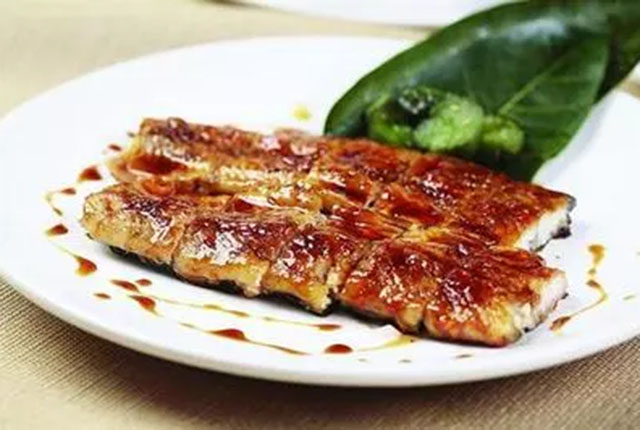
- Kabayaki: Built through 4 layered soy-sauce coating passes, each applied at a controlled temperature step. This produces the deep mahogany color and the caramelized surface diners expect. Skipping layers or rushing temperature control produces uneven color and a burnt-sugar bitterness instead of a clean glaze.
- Cut pieces (diced, shredded, strip-cut, 3-section, sushi slice): Affects portion cost and back-of-house labor, not flavor. Sushi slices need boneless, evenly-thick eel; chunk-cuts for donburi tolerate more variance. Choosing sushi-grade slicing for a soup application wastes premium trim on a dish that doesn't need it.
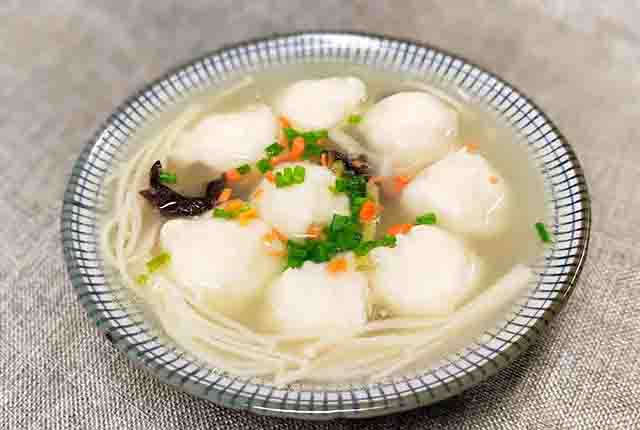
For chefs building rice bowls or noodle dishes, cut selection directly affects consistency across a shift — see this eel noodle soup guide for how cut size changes cook time in broth.
How to Verify You're Actually Buying Unagi — A Checklist
Menus and import labels don't always spell out the unagi def clearly. Use this checklist before you order or place an RFQ:
- Check the species name. "Anguilla japonica" or "Anguilla anguilla" on the label confirms freshwater eel. "Conger" or unspecified "eel" does not.
- Check the color standard. Genuine kabayaki should show a consistent deep amber-brown from the 4th soy-sauce pass — patchy, pale color usually means an incomplete coating process.
- Ask about the farming source. Legitimate suppliers can trace product back to a registered farming base. If a supplier can't answer where the eel was raised, that's a traceability gap worth flagging.
- Confirm the certification trail. For export orders, ask for ISO 22000 or HACCP documentation and, where relevant, HALAL certification — not just a factory photo.
- Common mistake to avoid: assuming "unagi-flavored" or "eel-style" sauce products contain real eel. Many are soy-based glazes with no eel content at all.
Sourcing Considerations for Foodservice and Import Buyers
For buyers moving past the unagi def question into actual procurement, the operational details matter more than the dictionary answer. Here's what to confirm with any supplier:
| Consideration | Why It Matters |
|---|---|
| Farm traceability | Full-chain tracking from a customs-registered farming base to shipment reduces residue and origin-fraud risk. |
| Cold-chain capacity | Storage facilities in the 1,000-ton range indicate the supplier can hold volume without quality drift between orders. |
| Lab and metal-detection checks | An in-house lab catching veterinary drug residues before shipment avoids customs rejection in Japan, US, and EU markets. |
| Lead time | Standard order timelines run around 30 days from confirmation to shipment, though this shifts with spec and volume. |
A supplier's eel farming bases and in-house laboratory are worth asking about directly — they're the two checkpoints that catch problems before they reach your cold storage. Buyers evaluating a high-quality unagi supplier should ask for documentation on both, not just a certificate list.
This scenario comes up often: a US importer orders kabayaki expecting sushi-slice thickness, but receives standard donburi cut. The eel itself was correct — freshwater, properly roasted — but the cut spec wasn't confirmed in writing. That single missed detail delayed a menu launch by weeks. Confirming cut type, coating layer count, and packaging format (skin-packaging vs. gift box) in the purchase order avoids this entirely.
Pairing the Right Sauce With the Right Cut
Once the unagi grade and cut are settled, sauce selection is the last variable that changes plate outcome. Eel sauce, or unagi tare, is a reduced soy-mirin glaze brushed on during and after grilling — it's not a substitute for the roasting process itself, only a finishing layer. Kitchens that buy sauce separately from pre-glazed frozen unagi kabayaki get more control over sweetness and sodium per dish. For chains standardizing recipes across locations, understanding what makes a kabayaki sauce consistent batch to batch is worth reviewing before locking in a supplier contract.
If you're prepping eel in-house rather than buying pre-cut, the cleaning, skinning and deboning process affects yield significantly — rushed deboning leaves bone fragments that show up in metal detection or, worse, in a diner's mouth. Standardized cutting from the supplier side removes this risk from your kitchen entirely.
Food safety standards referenced in export contracts — veterinary drug residue limits, microbiological indicators — typically follow guidance set by bodies like Codex Alimentarius, which Japan, US, and EU inspection regimes draw on when clearing imported eel products.
Getting the unagi def right isn't just trivia for a menu footnote. It's the first checkpoint before species verification, grade selection, and supplier vetting — each step narrowing risk before product reaches your cold storage or your customer's plate.
Have a spec in mind — cut type, coating layer count, or packaging format? Send us your requirements and we'll confirm lead time and MOQ against our current production schedule.

 WhatsApp
 sales@chinaeels.com
 +8619937922411