





Does Eel Sauce Unagi Need Refrigeration After You Buy It
You have just brushed a glossy layer of sauce over warm rice and grilled eel. Now the bottle is open, sticky around the cap, and one question matters: where should it go next? Eel sauce unagi does not always follow one storage rule, so the bottle label—not guesswork—should make the final call.
Check the Label Before Deciding Where the Bottle Belongs
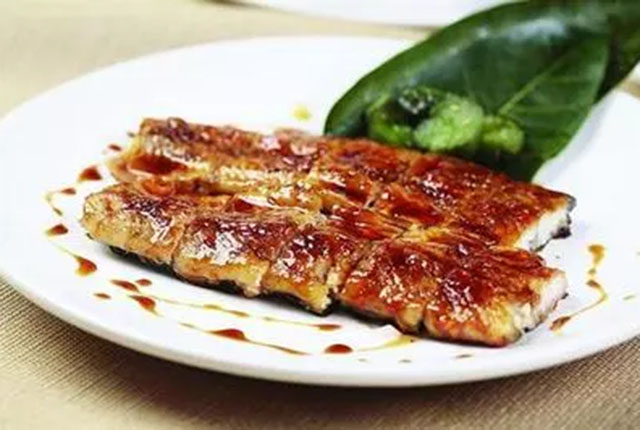
The short answer is simple: follow the storage instruction printed on your specific bottle. Some bottled Japanese sauces are formulated for room-temperature storage while sealed. Others may require refrigeration from purchase onward. Once opened, many bottled sauces direct consumers to refrigerate, but the wording on the label remains the rule that applies to that product.
This matters because eel sauces differ. One bottle may contain a concentrated soy-based blend with sugar, mirin-style seasoning, or other ingredients. Another may have a different formula, package type, or preservative approach. Do not assume that every bottle of eel sauce unagi behaves like soy sauce, teriyaki sauce, or a homemade glaze.
For a food-safety reference point, the food safety guidance issued by the United States Food and Drug Administration supports a basic household rule: keep food according to its label instructions, protect it from contamination, and discard products that show signs of spoilage.
| Condition of the Bottle | Best Storage Decision | Why It Fits | When This Does Not Apply |
|---|---|---|---|
| Sealed and label says room-temperature storage | Keep it in a cool, dry cupboard away from direct sun and heat sources. | The manufacturer has designated unopened storage conditions for that packaged product. | Do not use this option if the seal is damaged, the bottle is leaking, or the label requires refrigeration. |
| Sealed and label says refrigerate | Refrigerate immediately after purchase. | That sauce is intended to remain cold even before opening. | A pantry is not an alternative simply because the cap is still sealed. |
| Opened and label says refrigerate after opening | Close tightly and refrigerate after each use. | Opening introduces air and creates opportunities for contamination around the cap and bottle neck. | Do not leave it on the counter between meals as a regular habit. |
| Opened but label instructions are missing or unreadable | Refrigerate it and contact the manufacturer or retailer if you need confirmation. | Cold storage is the more cautious choice when product-specific instructions cannot be verified. | Refrigeration cannot make a spoiled or previously mishandled sauce safe again. |
A practical buying rule follows from this table. If you cook Japanese dishes only occasionally, choose a bottle size you can use while the sauce remains within its printed quality guidance after opening. If you make rice bowls, sushi rolls, noodles, or grilled seafood often, a larger bottle may be sensible—but only if your refrigerator space and cooking habits support it.
For product details and packaging inquiries, see our eel sauce page. Buyers should still confirm the storage statement on the final product label for the specific format they purchase.
Room-Temperature and Refrigerated Storage Rules Before and After Opening
Here is the boundary many home cooks miss: unopened storage rules and opened storage rules are not automatically the same. A bottle that is acceptable in a cupboard before opening may need refrigeration once the seal is broken. Treat “before opening” and “after opening” as two separate questions.
Can unopened eel sauce unagi stay at room temperature?
Yes, but only when the label says it can. If a sealed bottle is marked for room-temperature or pantry storage, place it in a dry cupboard away from sunlight, the stove, and other heat-producing appliances. The reasoning is straightforward: heat and direct light can reduce flavor quality even when a packaged sauce remains sealed.
This recommendation fits unopened retail bottles purchased for home use. It does not apply to bottles with a broken safety seal, a swollen cap, visible leakage, or an unknown storage history. A damaged bottle should not be treated as safely shelf-stable just because it has not been fully opened.
Does opened eel sauce unagi need refrigeration?
Usually, the label should decide this—and many opened sauces instruct refrigeration. Once you remove the cap, sauce can collect on the rim, utensils can touch the opening, and food particles may be introduced if the bottle is used over cooked eel, rice, or grilled foods. Refrigeration helps maintain quality after that point.
This approach fits a home kitchen, especially where the sauce may be used over several meals. It does not replace safe handling. If a spoon touched raw fish, uncooked meat, or another contaminated surface, do not put that spoon back into the bottle. Cold storage cannot erase cross-contamination.
What spoilage signals mean the sauce should be discarded?
Discard the sauce rather than tasting it if you notice a damaged seal, leaking package, mold, unexpected bubbling or foaming, an off odor, or a clearly abnormal texture. A cap that is unusually swollen or a bottle that releases pressure unexpectedly also deserves caution.
Color needs more careful judgment. Soy-based sauces are naturally dark, and slight surface darkening around a bottle opening does not by itself prove spoilage. However, visible mold, separated material that will not mix again, or a major change from the sauce’s normal appearance are stronger warning signs. When you cannot judge the condition with confidence, discard it.
- Safe decision: use a clean utensil or pour directly from the bottle without touching food.
- Reason: the bottle neck is a common point where sauce residue and food contact can create problems.
- Best scenario: households that use one bottle across several meals.
- Limit: clean handling does not override a label that requires different storage conditions.
Choose Bottle Size Based on How You Actually Cook
Buying the largest bottle is not always the best value. For eel sauce unagi, the better purchase is the size that lets you use the sauce consistently after opening without leaving it forgotten at the back of the refrigerator.
Think about your menu before you shop. A small household making unagi rice bowls once in a while has different needs from a home cook who prepares sushi, grilled salmon, chicken skewers, noodles, and vegetable glazes throughout the week.
| Your Cooking Pattern | Buying Approach | Reasoning | Watch-Out |
|---|---|---|---|
| You make unagi dishes occasionally | Choose a smaller retail bottle. | You reduce the chance of keeping an opened sauce longer than its label guidance. | A small bottle may cost more per unit, but lower waste can still make it the sensible choice. |
| You cook Japanese-inspired meals regularly | Consider a larger bottle if the label guidance and refrigerator space fit your routine. | The sauce can be used across more than eel dishes. | Do not buy in bulk merely because the unit price is lower. |
| You host family meals or prepare food for gatherings | Buy for the planned menu, then store the unopened backup according to its label. | One working bottle plus sealed reserve stock can reduce last-minute shopping. | Keep track of which bottle was opened first. |
| You run a small foodservice operation | Confirm product format, label storage rules, and expected usage before ordering. | Portion control and handling routines affect waste as much as purchase price. | Commercial kitchens must also follow their applicable local food-handling requirements. |
A useful menu-planning trick is to treat the sauce as more than an eel topping. Brush it over grilled mushrooms, use a small amount in a rice bowl finish, or add it to a noodle dish where a sweet-savory note fits. If you need ideas beyond kabayaki, our eel recipes guide offers flavor-pairing inspiration.
Still, do not turn storage into a reason to overuse sauce. Its sweet and savory profile is concentrated. Start with a light brush, taste the finished dish, and add more only when the rice, eel, or seafood needs it.
Follow This Simple Routine Every Time You Open a Bottle
The most reliable storage system is not complicated. It is repeatable. Use this process for any bottle of eel sauce unagi kept at home.
- Read the label before the first use. Look for storage instructions, opened-bottle guidance, and any quality date shown by the manufacturer.
- Inspect the package. Check the cap, safety seal, bottle neck, and sauce appearance before opening.
- Use clean hands and a clean utensil. Pouring carefully is often better than dipping a used brush or spoon into the bottle.
- Wipe the rim and close the cap firmly. Sticky residue can make a cap difficult to seal and can collect dust or food particles.
- Store it according to the label immediately. If refrigeration is required after opening, return it to the refrigerator rather than leaving it beside the stove.
- Check it before each later use. Look for unusual odor, mold, leakage, foaming, or other major changes.
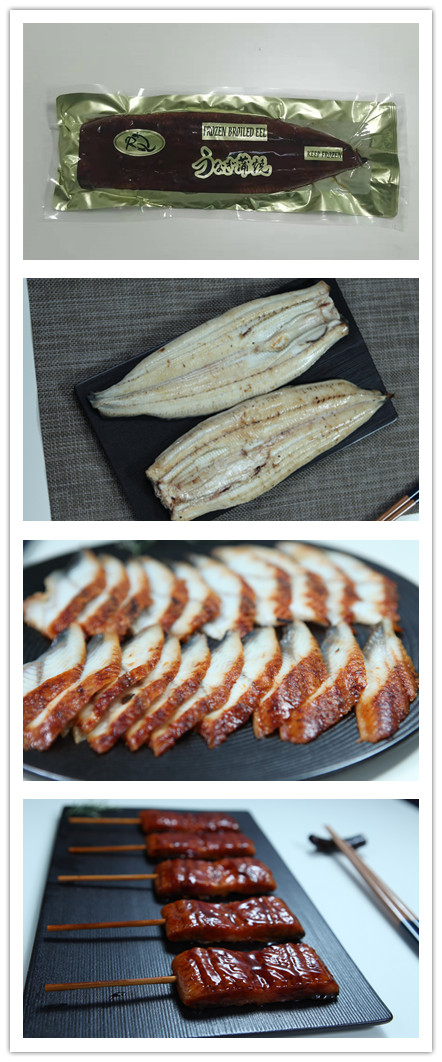
This routine works well for a weeknight dinner: heat frozen kabayaki, brush sauce over the eel near the end of cooking, pour a little extra into a separate serving dish, then clean and store the bottle. It does not apply when the sauce has already been mishandled or shows spoilage signs. In that case, discard it instead of trying to rescue it with reheating.

Avoid These Common Sauce Storage Mistakes
Small habits make a noticeable difference. These are the mistakes that most often turn a useful bottle into a questionable one.
- Leaving an opened bottle beside the cooker: Heat and splatter are poor companions for a sauce bottle. Store it where the label directs after use.
- Using the bottle as a dipping container: Pour a serving portion into a small clean dish instead. Never return leftover table sauce to the original bottle.
- Touching the nozzle with cooked food: Keep the bottle tip above the food. This matters when glazing eel, chicken, seafood, or vegetables.
- Ignoring a damaged seal because the sauce looks normal: Package damage is a reason to avoid the product, even if the color appears familiar.
- Trusting smell alone: An unusual smell is a warning, but the absence of a bad smell does not prove a sauce is safe. Check the full condition and follow the label.
- Confusing homemade sauce with bottled sauce: A homemade glaze does not have the same packaging or manufacturer storage instructions as a commercial bottle.
Here is a useful food fact: the dark shine of kabayaki sauce comes from reduction, soy-based seasoning, and the way it clings to hot food—not from a need to apply a thick layer. A thin glaze can give grilled eel a lacquered finish while allowing its natural flavor to remain present. For more on balancing a sweet-savory glaze, see our kabayaki sauce article.
Pair Properly Stored Sauce With Frozen Unagi at Home
When stored correctly, eel sauce unagi can help turn a simple freezer meal into a satisfying Japanese-style bowl. Warm your eel according to its package directions, prepare plain rice, and apply sauce in light layers. Add chopped scallions, sesame seeds, cucumber, or pickled ginger if those flavors suit your meal.
The best fit for bottled sauce is a dish that benefits from a finishing glaze. It may not fit every recipe. If your unagi kabayaki is already heavily sauced, adding more can make the result overly sweet or salty. Taste first, then decide whether another brush of sauce is needed.
Eelpro supplies frozen roasted eel and related seafood products with traceability controls from registered farming bases through processing and shipment. Our facility operates under ISO 22000:2018, HACCP, HALAL certification, export food producer registration, and an SC food production license. For a meal built around prepared eel, explore our unagi kabayaki product information and confirm storage directions on the product packaging you receive.
Request a sauce specification and storage guide when choosing your next eel sauce unagi order.
 WhatsApp
 sales@chinaeels.com
 +8619937922411