





What Is Unagi Don and Why Eel and Rice Work So Well
What is unagi don? Picture a warm bowl of steamed rice, glossy grilled eel, and a sweet-savory sauce soaking gently into the grains. It looks simple. Yet one wrong choice of eel, rice, or sauce can turn a memorable Japanese meal into a heavy, overly sweet bowl.
At its core, what is unagi don is a question about balance. The dish pairs kabayaki-style freshwater eel with rice in a bowl, then finishes it with tare, the sauce used during and after grilling. The result is rich but comforting, fragrant but not noisy, and filling without requiring many extra ingredients.
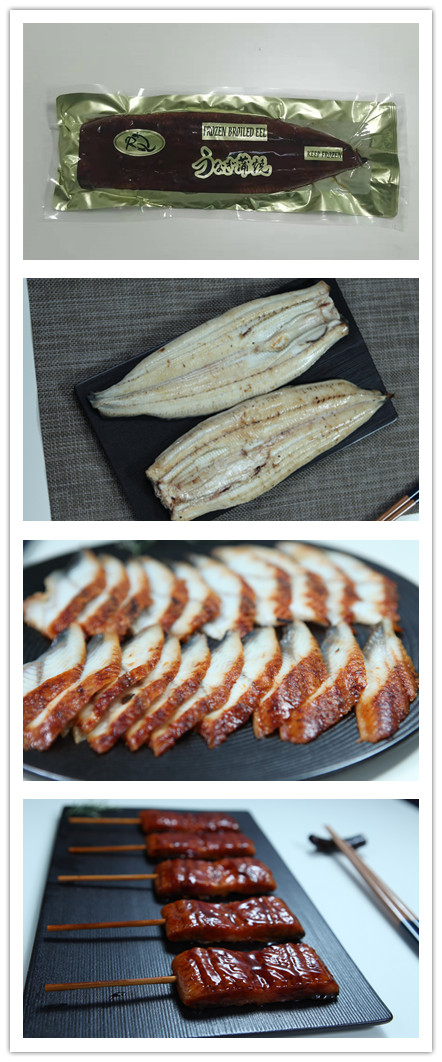
Understand the defining structure of steamed rice, kabayaki eel, tare, and donburi
To answer what is unagi don accurately, separate the dish into its four working parts. “Unagi” means freshwater eel. “Don” is shortened from donburi, a Japanese rice bowl meal. This matters because unagi don is not simply grilled eel served beside rice. The eel, sauce, and rice are designed to be eaten together from the same bowl.
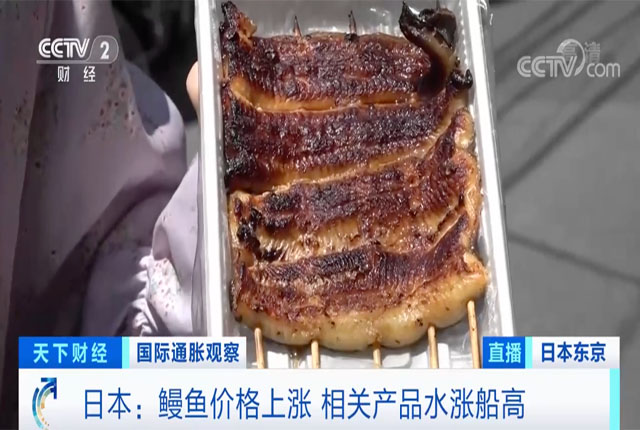
The most familiar eel preparation for this dish is kabayaki. The eel is split, grilled, brushed with tare, and grilled again so the sauce becomes a shiny coating rather than a loose puddle. When people ask what is unagi don, they often expect this kabayaki finish: tender eel, a lightly caramelized surface, and rice carrying a little of the sauce underneath.
| Dish element | Its practical role | What happens when it is wrong | Best fit |
|---|---|---|---|
| Steamed rice | Provides a mild base and absorbs a small amount of tare. | Dry rice makes the bowl feel separate; overly wet rice can become pasty under sauce. | Freshly cooked, warm rice with distinct grains. |
| Kabayaki-grilled freshwater eel | Brings the main texture, roasted aroma, and savory richness. | Thick, cold, or poorly heated eel can taste heavy and hide the rice. | Portioned fillets or cut pieces for easy bowl assembly. |
| Tare | Connects eel and rice with sweet, salty, roasted flavor. | Too much sauce overwhelms the eel; too little makes the bowl taste flat. | A light layer on rice plus a final brush on eel. |
| Donburi bowl format | Keeps each bite mixed rather than plated separately. | A wide plate can cool the food quickly and reduce the “bowl meal” effect. | A bowl that holds rice and eel in overlapping layers. |
What is unagi don for a home cook or menu buyer? It is a composed bowl, not a random topping combination. The rice must support the eel. The eel must remain visible and warm. The sauce should season the bowl without turning it into a sweet rice dish.
Cold fact: the “don” in unagi don describes the serving style, not the eel itself. This is why the same kabayaki eel can also appear in sushi, bento, noodle dishes, or appetizer portions.
For a more detailed look at the prepared eel used in this bowl, see our unagi kabayaki product information.
Choose the right eel and sauce before building the bowl
What is unagi don without suitable eel? It is usually a rice bowl with sauce, but it misses the dish’s main identity. Choose cooked frozen kabayaki eel when speed and consistency matter. This suits home cooks, retailers, meal-kit businesses, and foodservice kitchens that want to reduce raw-eel preparation. It does not apply when a chef specifically wants to split, skewer, and grill fresh eel from scratch.
When selecting a portion, focus first on the final eating experience rather than the appearance of a frozen pack. A broad fillet can cover rice attractively, while cut pieces distribute more evenly through the bowl. Sushi slices suit smaller portions and mixed rice applications. Shredded eel works well where the topping is intended to spread through rice rather than sit on top.
- Choose full fillets when presentation matters. They create the classic restaurant-style look, but require a bowl large enough to avoid bending or crowding the eel.
- Choose cut pieces for easy sharing and quick portion control. They fit casual meals, but the bowl may look less traditional than a long glazed fillet.
- Choose boneless or deboned eel for diners who are new to freshwater eel. This helps reduce table-side hesitation, though buyers should still confirm the supplied product specification.
- Choose separately packed tare when you want control over sweetness and coverage. It is less convenient than pre-sauced eel, but gives cooks more flexibility.
What is unagi don supposed to taste like? The best answer is roasted eel first, sauce second. Tare should have enough body to cling to the fish and lightly flavor the rice. It should not bury the eel’s natural richness. If you are buying sauce separately, compare its intended use: a finishing sauce is not always the same as a sauce formulated for repeated grilling.
Our eel sauce is relevant for buyers who need tare alongside frozen eel, while this guide to kabayaki sauce explains why sauce application affects the final flavor and appearance.
Build an eel rice bowl in a practical serving sequence
What is unagi don at the table? It should arrive hot, glossy, and ready to eat without a long list of toppings. The simplest assembly method protects that character. Use the heating instructions supplied with the eel product rather than guessing. Different packaging formats and portion sizes may require different handling.
- Prepare the rice first. Serve it warm in the bowl. This is the base that receives the sauce and helps keep the eel warm after plating.
- Add a light coating of tare. Spoon or brush a modest amount over the rice. The aim is seasoning between layers, not saturation.
- Heat the kabayaki eel according to its product instructions. Keep the surface intact where possible. A broken fillet loses some of its visual appeal, although cut pieces remain a good option for family-style meals.
- Place eel over the rice and finish with sauce. Add only enough tare to refresh the glaze. Serve immediately while the rice is warm and the eel surface still shines.
What is unagi don if the rice has already cooled? It can still be eaten, but the contrast becomes less satisfying. Warm rice softens the sauce slightly and makes the eel feel more integrated. This serving sequence is best for immediate meals. It is not designed for holding assembled bowls for long periods before service.
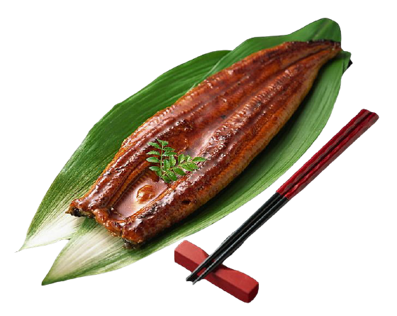
Avoid the common mistakes that make unagi don taste unbalanced
What is unagi don often confused with? Many people treat it like a heavily sauced barbecue bowl. That approach usually causes the most avoidable problems. The dish works because each part remains recognizable in the same bite.
- Using too much tare: This is the fastest way to hide the eel. Start with a light layer, then add more only after tasting. Extra sauce fits diners who prefer a sweeter bowl, but it does not suit a classic eel-forward presentation.
- Putting cold eel on hot rice: The rice cannot fully compensate for cold fish. Heat the eel as directed before assembly, especially when using frozen prepared products.
- Adding too many toppings: Pickles, egg, seaweed, scallions, or sesame can be enjoyable, but too many additions distract from the kabayaki aroma. Use one restrained garnish if desired.
- Choosing rice with an aggressive flavor: Strongly seasoned rice competes with tare. Plain steamed rice is the safer choice for a first attempt.
- Cutting the eel before checking the bowl: A whole fillet may be the better visual option. Cut pieces are more practical for portioning, but they should be selected intentionally rather than by habit.
What is unagi don meant to communicate on a menu? Comfort and focus. If your menu needs a bigger flavor contrast, consider serving a side dish separately instead of loading the bowl itself. For fresh ideas that stay close to the format, explore these eel rice bowl toppings.
Know what buyers should ask when sourcing kabayaki eel
What is unagi don from a purchasing viewpoint? It is a finished dish whose consistency begins long before plating. Restaurant groups, importers, and private-label buyers should ask about eel origin control, processing standards, cut format, sauce format, and cold-chain storage. These questions fit buyers sourcing prepared eel for repeat use. They are less relevant for a one-time home meal, where package instructions and flavor preference may be enough.
Eelpro Co., LTD operates two production lines for frozen roasted eel and deep-processed aquatic products, with annual finished-goods capacity of 4,000 tons. Our facility also has 1,000 tons of cold storage capacity. We use a four-layer soy-sauce coating process and patented low-fat roasting and deodorizing technology for roasted eel processing.
For buyers asking what is unagi don in the context of import supply, traceability should be part of the answer. Eelpro is certified to ISO 22000:2018 and HACCP systems, holds HALAL certification and export food producer registration, and works with approximately 20 customs-registered eel farming bases covering more than 2,150 mu. Full-chain control extends from farming registration through process verification, targeted sampling, and traceability tracking.
Ask a supplier these questions before confirming an order:
- Is the eel supplied as a full fillet, cut piece, strip, chunk, or sushi slice?
- Is tare included, separately packed, or supplied as a separate item?
- What storage and cold-chain controls protect the frozen product?
- What food safety systems and export documentation are available for the destination market?
- Can the supplier support the intended menu format, such as restaurant bowls, retail packs, or catering portions?
What is unagi don ultimately? A warm, direct expression of kabayaki eel, steamed rice, and tare. Start with good eel, keep the sauce measured, and serve the bowl while its heat and aroma are at their best.
For sourcing advice, product formats, or a kabayaki eel sample request, contact Eelpro Co., LTD with your target market and intended bowl format.
 WhatsApp
 sales@chinaeels.com
 +8619937922411