




What Does Anago Mean in Japanese Food
For seafood buyers and chefs, the terms on a Japanese menu can be a source of confusion. You see "anago" and "unagi," and both are translated as "eel." This ambiguity can lead to costly sourcing errors and mismatched menu expectations. The culinary anago meaning is precise, referring specifically to saltwater conger eel, a product with a distinct flavor, texture, and preparation method compared to its freshwater counterpart. Understanding this difference is fundamental to making informed purchasing decisions.
As a quality assurance specialist, I've seen firsthand how sourcing the wrong type of eel impacts kitchen operations and customer satisfaction. Anago is prized for its exceptionally soft, delicate, and lean texture, while unagi offers a richer, bolder flavor. They are not interchangeable. This guide clarifies the definition of anago, compares it directly to unagi, and provides a framework for sourcing high-quality eel products that meet international food safety standards.
Unpacking the Term "Anago": More Than Just an Eel
While the word "anago" (穴子) literally translates to "hole child," referring to the conger eel's habit of burrowing in sand or mud, its culinary meaning is much more specific. In a foodservice or import context, it almost always refers to the saltwater conger eel, prepared and served in traditional Japanese styles. Confusing it with other eels, particularly unagi (freshwater eel), is a common mistake for those new to the market.
The differences are not just semantic; they dictate flavor profile, cooking technique, cost, and supply chain logistics. For a buyer, knowing these distinctions prevents ordering a product that doesn't fit the intended recipe or quality standard. The following table breaks down the key differences between the two primary eels found in Japanese cuisine.
| Attribute | Anago (Saltwater Conger Eel) | Unagi (Freshwater Eel) |
|---|---|---|
| Species Family | Congridae (specifically Conger myriaster in Japan) | Anguillidae (primarily Anguilla japonica) |
| Habitat | Saltwater (marine) | Freshwater (rivers, lakes) |
| Flavor Profile | Subtle, sweet, delicate, and lean | Rich, bold, fatty, and savory (umami) |
| Texture | Extremely soft, light, fluffy, almost melts in the mouth | Firm, meaty, with a satisfying bite |
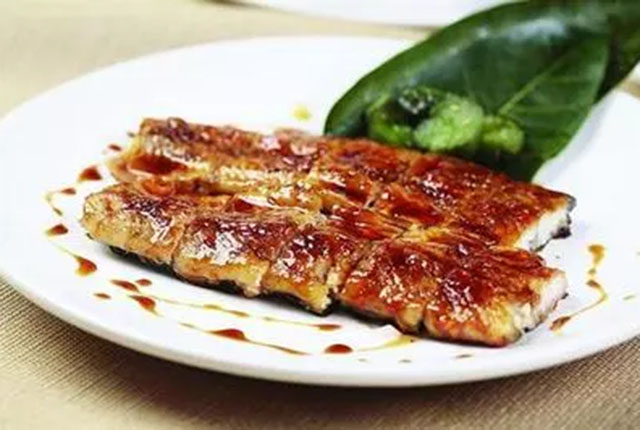
| Common Preparation | Simmered (ni-anago) in a light broth, then lightly grilled. Often served with a less-intense, sweet sauce (tsume). | Grilled over charcoal (kabayaki) with a rich, sweet, and savory soy-based eel sauce (tare). |
| Sourcing & Supply | Often wild-caught, leading to more variability in size and supply. | Primarily farmed, allowing for greater consistency, quality control, and full-chain traceability. |
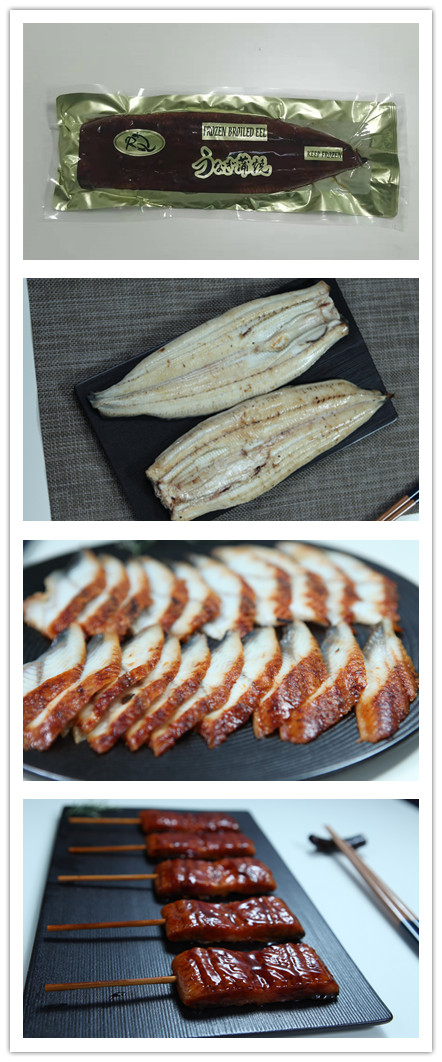
For foodservice chains in markets like Japan, the United States, and Germany, the consistency offered by farmed unagi kabayaki eel is a significant advantage. At Eelpro, our ~20 customs-registered eel farms ensure a steady supply of raw material, allowing us to maintain an annual production capacity of 4,000 tons and deliver standardized products that meet strict quality specifications.
Sourcing Eel for Export: A Buyer's Checklist for Quality and Compliance
Whether you are sourcing anago or unagi, the fundamental principles of quality assurance and food safety apply. As an importer or distributor, your reputation depends on the reliability and safety of your suppliers. I've guided dozens of clients through the import requirements for the EU, US, and Japanese markets. The risks are real, from product seizure at customs to recalls due to non-compliant residue levels.
Here is a practical checklist to help you vet potential eel suppliers and mitigate trade risks.
- Certifications and Traceability: Does the supplier hold internationally recognized certifications? Look for ISO 22000:2018 for food safety management and HACCP for process control. Full-chain traceability, from the farm to the final package, is non-negotiable. At Eelpro, our system tracks every batch from our 2,150+ mu of registered farming bases through processing and shipment.
- Species Verification: Confirm the exact species being supplied. Mislabeling eel is a common issue. Request specification sheets that clearly state the Latin name of the species to ensure you are getting what you paid for.
- Processing Standards: Inquire about the processing technology. For unagi kabayaki, the roasting process is critical. Our facility uses a patented low-fat roasting process and a precise 4-layer soy-sauce coating technique to ensure consistent color, flavor, and texture. This level of process control is difficult to achieve without modern equipment.
- Compliance with Import Standards: Your supplier must demonstrate that their products meet the food inspection standards of your target market. This includes testing for veterinary drug residues and microbiological indicators. Ask for test reports from their in-house or third-party labs. Our professional eel lab and critical control points with metal detectors are designed to meet the stringent requirements of Japan, the US, and the EU.
- Cold Chain Management: For frozen products, the integrity of the cold chain is paramount. A supplier should have adequate cold storage capacity. Our 1,000-ton cold storage facility ensures product quality is maintained from production to the moment it's loaded for shipment.
Common Mistakes in Foodservice When Handling Eel
Once high-quality eel is sourced, proper handling in the kitchen is the final step to delivering an excellent dining experience. The differences between anago and unagi extend to their preparation. Using the wrong technique can ruin a premium product.
Based on my experience working with foodservice clients in Australia and Southeast Asia, here are some common errors to avoid:
Mistake 1: Using a One-Size-Fits-All Sauce
The most frequent error is using a heavy, dark unagi kabayaki sauce on delicate anago. The bold flavor of a traditional kabayaki sauce recipe is designed to complement the rich fat of unagi. On anago, it completely overpowers the eel's subtle sweetness. Anago is best served with tsume, a lighter, sweeter, and less viscous glaze.
Mistake 2: Overcooking Anago
Because anago is so lean and delicate, it cooks very quickly. The goal of heating is to warm it through and bring out its fluffy texture. Overheating, whether by steaming, grilling, or microwaving, will cause it to break apart and become mushy. Our ready-to-heat unagi kabayaki, on the other hand, is processed to be more durable, withstanding reheating while retaining its firm texture.
Mistake 3: Mismatching the Eel to the Dish
Choosing the wrong eel for the application is a menu design flaw. Anago shines in applications where its softness is a feature, such as in nigiri sushi. Unagi's firm, meaty texture and rich flavor make it ideal for heartier dishes like unadon (eel rice bowls), where it can stand up to rice and a generous amount of sauce. Trying to use delicate anago in a heavily sauced rice bowl results in a texturally unbalanced dish.
Mistake 4: Ignoring Boneless/Deboned Processing Benefits
For large-scale catering chains and restaurants, back-of-house efficiency is key. Anago, especially when sourced whole, contains many fine bones that are difficult and time-consuming to remove. Sourcing fully-processed, boneless, and pre-cut products like our unagi fillets, shreds, or sushi slices dramatically reduces labor costs and ensures a consistent, safe-to-eat final product for customers.
By understanding these nuances, chefs and menu developers can better leverage the unique qualities of each eel, while buyers can source products that offer the best value and operational efficiency. Our value-added processing, including custom cutting and ready-to-heat packaging, is specifically designed to solve these common foodservice challenges.
Clarifying the anago meaning is the first step. The next is partnering with a supplier who understands the technical, culinary, and logistical demands of the global seafood market. A reliable partner provides more than just a product; they provide the assurance of safety, consistency, and compliance that your business needs to succeed.
If you are looking for a certified and reliable supplier of high-quality frozen unagi kabayaki and other frozen seafood, please contact us to discuss your specifications and request a quote.
 WhatsApp
 sales@chinaeels.com
 +8619937922411