





Is Unagi Eel Sushi Always Cooked Before Serving?
Many new food importers and chefs assume all sushi involves raw fish. This can create confusion and even sourcing risks when dealing with specific products. When it comes to unagi eel sushi, the answer is definitive: yes, it is always cooked. Serving freshwater eel raw is not only unpalatable but also poses significant food safety risks. Understanding why it must be cooked is the first step to sourcing high-quality, compliant eel products for your market.
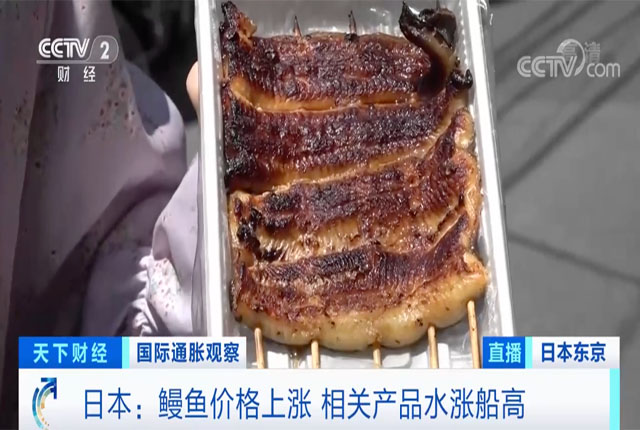
As a high-quality unagi kabayaki manufacturer, we frequently guide clients through the specifics of eel preparation. The traditional preparation, known as kabayaki, involves grilling the eel, often with a sweet soy-based glaze. This process transforms the eel's texture and flavor, making it a safe and delicious staple in Japanese cuisine. For international B2B buyers, sourcing pre-cooked, frozen unagi kabayaki ensures product consistency, safety, and back-of-house efficiency.
Why Freshwater Eel (Unagi) is Never Served Raw
Unlike many saltwater fish used in sushi and sashimi, freshwater eel presents unique challenges that make cooking a non-negotiable step. The reasons are rooted in both food safety and culinary science.
First, freshwater environments can harbor various parasites that can be harmful if ingested. The cooking process effectively eliminates these risks. Second, eel blood contains proteins that can be toxic to humans. These compounds are neutralized by heat, making the eel safe to eat. This is a critical food safety control point that any reputable supplier must manage.
Beyond safety, the texture and flavor of raw unagi are simply undesirable. The skin is tough and rubbery, and the flesh can be chewy. The signature kabayaki process—steaming, grilling, and glazing—achieves several goals at once:
- Tenderizes the Flesh: Steaming breaks down connective tissues, making the meat soft and flaky.
- Crisps the Skin: Grilling renders the fat and creates a pleasant, slightly crisp texture.
- Adds Flavor: The application of a sweet and savory eel sauce (unagi tare) caramelizes during grilling, creating the rich, umami flavor that unagi is famous for.
At Eelpro, our entire production of frozen unagi kabayaki is built around a precise, multi-stage cooking process. This guarantees that every piece is not only safe but also meets the high culinary standards expected by our clients in Japan, the US, and the EU.
Clearing Up Menu Confusion: Kabayaki, Shirayaki, and Anago
For B2B buyers, understanding the precise terminology is essential for accurate ordering and marketing. While unagi is always cooked, different preparation styles and even different types of eel can appear on menus, causing confusion. Here’s a breakdown of the key terms you need to know.
The most common source of confusion is between unagi (freshwater eel) and anago (saltwater conger eel). Both are cooked, but they have distinct characteristics that affect their use and price point.
Unagi vs. Anago: A Comparison for Buyers
| Characteristic | Unagi (Freshwater Eel) | Anago (Saltwater Conger Eel) |
|---|---|---|
| Flavor Profile | Rich, bold, and fatty with a strong umami taste. | Lighter, sweeter, and more delicate. Less oily. |
| Texture | Firm, meaty, and slightly chewy skin when grilled. | Very soft, fluffy, and tender; can almost melt in your mouth. |
| Common Preparation | Almost always grilled with a thick kabayaki sauce (unagi don, unagi nigiri). | Often simmered (ni-anago) or lightly grilled with a thinner sauce. Also popular in tempura. |
| Sourcing & Cost | Primarily farmed, leading to higher costs but consistent supply. | Wild-caught, which can lead to price and availability fluctuations. Generally less expensive than unagi. |
Common Unagi Preparation Styles
Even within the world of unagi, different terms describe the cooking method. Misunderstanding these can lead to ordering the wrong product specification.
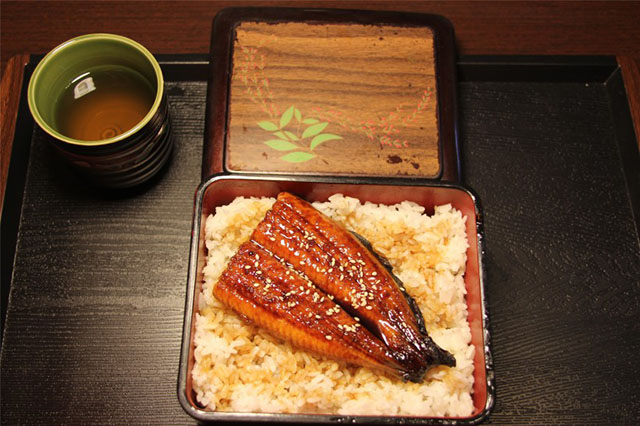
- Kabayaki: This is the most famous style. The eel is butterflied, deboned, steamed, and then grilled while being basted multiple times with a sweet soy sauce glaze (tare). This is the standard for most unagi eel sushi and rice bowls.
- Shirayaki ("White-Roasted"): In this method, the eel is prepared similarly but is grilled without any sauce, seasoned only with salt. This highlights the natural flavor of the eel itself. It’s often served with wasabi and soy sauce on the side. This is a distinct product from kabayaki and must be specified.
As a supplier, we have established clear internal standards for both "white-roasted color" and the "1st-through-4th soy-sauce coating color" to ensure absolute consistency for our clients, whether they are Japanese restaurant chains or European food importers.
Sourcing Checklist for Export-Grade Frozen Unagi
For importers, distributors, and large-scale foodservice operators, sourcing reliable frozen unagi is about more than just taste. It involves verifying safety, traceability, and production capacity. An unreliable supplier can introduce trade risks from veterinary drug residues or microbiological contamination. Here is a checklist to help you evaluate potential unagi suppliers.
-
Verify Certifications: Does the supplier hold internationally recognized food safety certifications?
- Look for ISO 22000:2018 and HACCP systems. These demonstrate a structured approach to managing food safety risks.
- For specific markets, check for certifications like HALAL.
- Confirm they have an official Export Food Producer Registration Certificate.
-
Investigate Traceability: Can the supplier trace the product from the final shipment back to the farm?
- Ask about their farming base. We operate with approximately 20 customs-registered unagi eel farms, enabling full-chain control.
- Inquire about their process for targeted sampling and raw material verification before production begins.
-
Assess Production & Quality Control: Does the facility have the technology and personnel to ensure consistency and safety?
- Check their annual production capacity. Our two modern lines produce 4,000 tons of finished goods annually.
- Ask about their quality control team. We have 25 technical and QC specialists on staff.
- Confirm the use of critical control points like metal detectors and an in-house professional laboratory for testing.
-
Review Technological Capabilities: What makes their product superior?
- Inquire about unique processing technologies. We utilize patented low-fat roasting and deodorizing equipment.
- Ask about the specifics of their glazing process. Our 4-layer soy sauce application is temperature-controlled to create a perfect glaze.
-
Confirm Logistics & Storage: How do they maintain the cold chain?
- A dedicated cold storage facility is essential. Our 1,000-ton facility ensures product quality from production to port.
How Standardized Unagi Products Reduce Foodservice Costs
For restaurant chains, central kitchens, and catering services, back-of-house efficiency is a major driver of profitability. Sourcing fully cooked, deboned, and pre-portioned unagi eliminates several costly and skill-intensive steps from kitchen workflow.
Preparing unagi from scratch is a laborious process that requires a skilled chef to debone, skewer, steam, and grill the eel. This introduces variability and requires significant time. By contrast, using a high-quality frozen kabayaki product offers clear benefits:
- Labor Cost Reduction: Eliminates the need for specialized preparation. Kitchen staff only need to heat the product before serving.
- Product Consistency: Every portion has the same size, weight, flavor, and texture, ensuring a consistent customer experience.
- Food Waste Minimization: No losses from improper butchering or cooking. You use exactly what you need.
- Inventory Management: Frozen products offer a long shelf life and stable supply, simplifying inventory planning.
We support our foodservice clients with a range of custom cutting specifications to match their menu applications perfectly. This includes shredding for toppings, dicing for mixed rice dishes, sushi slices for nigiri, and various chunk or strip cuts. This level of standardization directly improves operational speed and reduces costs for our partners in the United States, Australia, and Southeast Asia.
For detailed specifications on our frozen unagi kabayaki products or to request a sample for your market, contact our export team today.
 WhatsApp
 sales@chinaeels.com
 +8619937922411