


Who Should Limit Eel Intake Despite Eel Health Benefits
A glossy slice of unagi over warm rice can look like an easy, comforting dinner. But who should pause before making eel a regular meal? The answer depends less on whether eel is “good” or “bad” and more on pregnancy status, allergy history, sodium targets, portion frequency, and the form of eel being served.
The discussion around eel health benefits often focuses on its place as a seafood protein choice. That is useful, but incomplete. A food can fit well into one person’s meal plan and require limits in another person’s diet. For households, restaurant operators, and buyers planning prepared seafood menus, the key is to separate plain or lightly seasoned eel from sweet, sauce-coated kabayaki products.
Should most people avoid eel?
No. Most people do not need to avoid fully cooked eel. Eel can be included as part of a varied diet when it is purchased from a controlled source, kept frozen or refrigerated as required, and heated according to the product instructions. The limitation is not eel itself for every consumer; it is the individual dietary context and the preparation style.
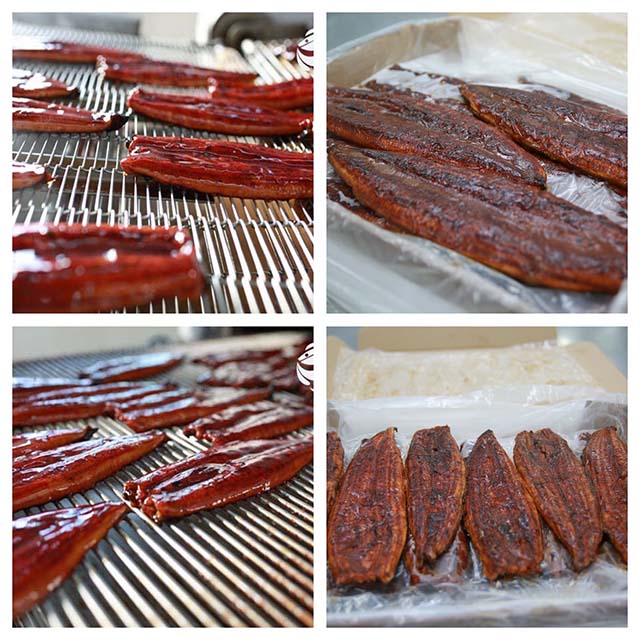
For example, frozen unagi kabayaki is commonly roasted and glazed with tare. That makes it convenient for rice bowls, sushi, noodles, and small plates, but the glaze can change the sodium and sugar profile compared with unseasoned eel. A diner who is managing salt intake should not treat sauce-coated eel and plain roasted eel as nutritionally interchangeable.
For foodservice planning, use the product label and recipe card as the decision point. Identify whether the serving includes:
- Pre-applied kabayaki sauce or a separate sauce packet.
- Additional soy sauce, broth, pickles, or salted toppings.
- A rice bowl, noodle soup, sushi, or appetizer format.
- A fixed serving portion or a build-your-own format.
This approach fits restaurants and caterers that want eel on the menu without presenting it as a universal “healthy choice.” It does not replace individualized medical advice for people with diagnosed health conditions.
For buyers seeking prepared product options, our unagi kabayaki product range is designed for frozen foodservice use. Eelpro applies export quality controls across its production, but ingredient declarations and nutrition panels should still be reviewed against the final market’s labeling rules and each menu’s recipe.
Who should limit eel intake or choose a different preparation?
Pregnant consumers, people with seafood allergy, people on sodium-restricted diets, and frequent consumers should assess eel more carefully. The table below gives a practical boundary for each group. It is designed for early meal planning, not diagnosis or treatment.
| Consumer group | Practical intake boundary | Best preparation choice | When eel may not be suitable |
|---|---|---|---|
| Pregnant consumers | Keep eel within an overall seafood plan discussed with a clinician, rather than making it the only seafood eaten repeatedly. | Choose fully cooked eel from a traceable supply chain. Reheat prepared frozen eel thoroughly before serving. | Avoid raw or undercooked eel. Seek professional advice when there are pregnancy-related dietary restrictions or questions about seafood selection. |
| People with fish or seafood allergy | Do not trial eel casually. A confirmed fish or seafood allergy requires advice from an allergy professional. | No preparation method makes an allergenic food safe for a person who reacts to it. | Avoid eel entirely if advised by a clinician, especially where cross-contact in sushi bars or shared kitchens is possible. |
| People on sodium-restricted diets | Limit sauce-coated servings when the product label or full recipe does not fit the person’s sodium target. | Select plain or white-roasted eel where available, serve sauce separately, and use less sauce. | Kabayaki with extra tare, soy sauce, broth, pickles, or salted side dishes may not fit a restricted diet. |
| Frequent seafood consumers | Do not rely on one seafood species or one sweet-savoury prepared format day after day. Rotate seafood choices and review the total diet. | Alternate eel meals with other appropriately sourced seafood and vary cooking styles. | A repetitive menu can make it harder to manage sodium, energy intake, and individual seafood guidance. |
For pregnancy, the most useful starting point is official seafood intake guidance from the U.S. Food and Drug Administration. It explains why seafood choices should be considered as a pattern, not as a single isolated meal. Regional public-health recommendations may differ, so local guidance and clinician advice take priority.
For allergies, the safe decision is more direct. Eel is fish. Someone with a known fish allergy should not assume that an allergy to one fish has no relevance to eel, and someone with a seafood allergy should not experiment at home or through a restaurant order. Sauce ingredients also matter. Tare may contain soy and other declared ingredients, so check the finished product label rather than assuming the fish is the only allergen concern.
Does kabayaki sauce change the answer for sodium-conscious diners?
Yes. The sauce can be the deciding factor. Kabayaki is valued for its lacquered surface and sweet-savoury flavor, but a sauce-coated portion usually needs more scrutiny than plain roasted eel when sodium is restricted. The correct decision is to examine the complete plated dish, not just the eel.
A practical example makes this clear. A diner orders eel over rice, then adds extra tare, soy sauce, miso soup, and pickled vegetables. Even if the eel portion itself is moderate, the combined meal may be unsuitable for a sodium-conscious plan. The same diner could instead request a smaller amount of glaze, omit extra soy sauce, and pair the eel with unsalted or lightly seasoned vegetables.
A simple restaurant procedure for lower-sodium eel service
- Use the supplier’s current nutrition and allergen documentation for the exact eel SKU and sauce SKU.
- List sauce as a separate recipe component rather than hiding it within a generic “grilled eel” menu description.
- Offer sauce on the side where the product format allows it.
- Do not automatically add soy sauce, salty broth, pickles, or seasoning blends to the same order.
- Train staff to avoid claiming that eel is suitable for every low-sodium diet.
This procedure suits restaurants, meal-prep businesses, and institutional kitchens. It may not apply to a fixed, pre-glazed retail pack where the sauce cannot be adjusted. In that case, the buyer should compare labels and select a different item if necessary.
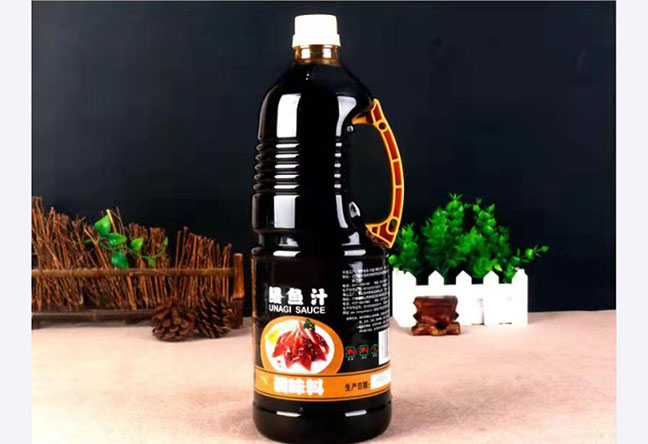
Foodservice teams can also review our eel sauce product page when planning sauce-controlled formats. A separate sauce format can give a kitchen more control than adding more glaze after heating.
What are the food-safety checks that matter before serving eel?
Choose fully cooked, traceable product and protect the cold chain. This is especially relevant for pregnancy, older adults, immunocompromised diners, and any operation serving large numbers of guests. Food safety and dietary suitability are different questions, but both must be answered before eel becomes a regular menu item.
Eelpro operates under ISO 22000:2018, HACCP, HALAL certification, export food producer registration, and an SC food production license covering quick-frozen prepared foods. Those controls support product management, but they do not remove the need for correct storage, handling, reheating, and allergen communication after delivery.
Our supply chain includes approximately 20 customs-registered eel farming bases covering more than 2,150 mu, with traceability from farm registration through processing verification and shipment tracking. The factory also has an in-house laboratory and metal detectors at critical control points. These are useful procurement signals for importers and foodservice buyers who need documentation and product consistency.
For a finished dish, use this checklist:
- Confirm the product form: fully cooked frozen kabayaki, white-roasted eel, cut pieces, or another prepared format.
- Keep frozen products in controlled storage: do not allow prolonged temperature abuse during receiving, storage, or kitchen staging.
- Heat according to the pack instructions: do not use visual browning alone as a safety check.
- Separate allergen-sensitive orders: use clean utensils, surfaces, and service containers.
- Check every component: eel, tare, rice seasoning, soup base, toppings, and side dishes can each affect allergen and sodium decisions.
A useful cold fact: the shiny glaze that makes kabayaki look appealing can hide how much sauce has been added. Color is not a nutrition label. For households and menu developers, the ingredient declaration and serving guidance are more reliable than appearance.
Can frequent consumers still enjoy eel regularly?
Yes, but variety is the sensible rule. A frequent consumer does not necessarily need to remove eel from meals. Instead, avoid building a routine around repeated large servings of the same sauce-coated product. Rotate seafood selections, vary side dishes, and make the total weekly eating pattern the focus.
This recommendation fits a household that enjoys Japanese-style meals several times a week or a foodservice operator creating recurring lunch bowls. It does not mean that every person needs the same schedule. A person with a medical diet, pregnancy-related instructions, or allergy concerns should follow their clinician’s guidance first.
For menu planning, switch between an unagi rice bowl, lighter vegetable-forward sides, and other seafood dishes instead of serving kabayaki with the same salty accompaniments every time. For cooking ideas that help create more varied use occasions, see these eel recipes for noodle soup preparation.
Eelpro has supplied kabayaki eel to Japanese restaurant chains and exports unagi kabayaki and eel sauce to United States food importers. Its two production lines have an annual finished-goods capacity of 4,000 tons, supported by a 1,000-ton cold storage facility. For buyers, these are supply and handling strengths, not a reason to ignore dietary boundaries. The right product still depends on the menu, sauce level, serving plan, and customer group.
What are the common mistakes when discussing eel health benefits?
- Mistake: treating all eel products as identical. Plain roasted eel, sauce-coated kabayaki, sushi rolls, and eel noodle soup can have very different supporting ingredients.
- Mistake: calling eel “safe for everyone.” This is not appropriate for people with fish allergy or medically prescribed dietary limits.
- Mistake: ignoring the sauce. Tare may be the largest dietary concern for sodium-conscious diners, depending on the product and serving method.
- Mistake: assuming frozen means ready to eat. Follow the exact package preparation instructions and maintain correct cold-chain handling.
- Mistake: giving pregnancy advice without context. Pregnancy-related seafood choices should follow local official guidance and personal clinical advice.
- Mistake: relying on appearance instead of documentation. Ask for ingredient, allergen, storage, and preparation information for the exact product purchased.
The balanced answer is straightforward: eel can be a satisfying fully cooked seafood choice, yet it deserves extra planning for certain groups. The details that change the decision are the diner’s health needs, the product’s sauce level, and the complete meal around it.
For foodservice selection advice or product documentation for frozen eel and sauce formats, request a specification sheet from Eelpro.