


Why Is Eel Sauce Called Eel Sauce? The Naming Explained
Why is eel sauce called eel sauce if the bottle may contain no eel at all? The answer is straightforward: the name comes from the dish the sauce was created to accompany, not necessarily from the ingredients in the sauce. For home cooks, restaurant buyers, and seafood importers, that distinction helps explain unagi tare, kabayaki, and Japanese sauce terminology.
What Is Eel Sauce?
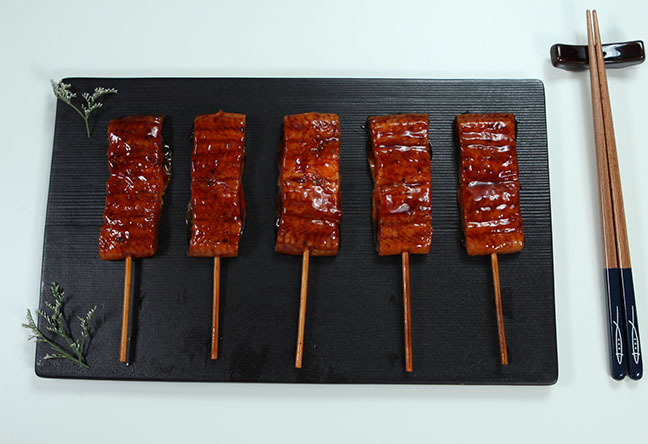
Eel sauce is a sweet and savory glaze commonly served with grilled eel, especially Japanese-style unagi kabayaki. It is typically dark, glossy, and thick enough to cling to fish or rice. In Japanese food terminology, the sauce is often called unagi tare or simply tare.
The word unagi means freshwater eel. The word tare refers to a seasoned sauce or glaze used during cooking or as a finishing touch. In practice, unagi tare may be brushed onto eel as it grills, poured over an eel rice bowl, or served alongside the dish.
For English-speaking diners, “eel sauce” became the familiar menu and retail name. It clearly tells customers what the sauce is associated with: eel dishes. However, the label does not automatically mean the sauce contains eel meat, eel stock, or another eel-derived ingredient.
That is the key to understanding the eel sauce meaning. It is often a dish-based name rather than a strict description of the ingredients.
Why Is Eel Sauce Called Eel Sauce If It Contains No Eel?
The name follows a pattern found across many food cultures. A sauce may be named for the food it traditionally accompanies, the cooking method it supports, or the dish through which diners first came to know it.
Eel sauce is closely associated with grilled eel. When eel is prepared as kabayaki, it is grilled and coated with a sweet-savory glaze. The sauce creates the familiar shiny finish, deep color, and layered flavor of the dish. Over time, diners came to recognize it simply as “the sauce for eel.” In English, that practical description became “eel sauce.”
As the flavor profile became popular, cooks began using similar sauces with other foods. It can pair well with grilled mushrooms, tofu, chicken, vegetables, noodles, sushi rolls, and rice bowls. The name remained even when the main ingredient changed.
This is why a modern commercial sauce may contain soy sauce, sugar, starch, seasonings, and water without containing eel. It is formulated to deliver the sweet, salty, glossy profile associated with unagi dishes. Always check the ingredient declaration if your customer, restaurant, or household needs to avoid specific allergens or animal-derived ingredients.
For foodservice buyers, the distinction matters. A product called eel sauce may suit an unagi menu, but its exact formulation should still be confirmed before purchase. Review the ingredient list, allergen statement, viscosity, packaging format, and intended use with the supplier.
The Eel Sauce Name Origin: From Dish Association to Everyday Label
The eel sauce name origin is best understood through unagi preparation. Grilled freshwater eel is commonly served with a seasoned sauce that balances the fish’s rich flavor. The sauce also contributes color and a polished finish as the eel is grilled or reheated.
In Japanese cooking, a sauce may be identified by its use. That is why Japanese sauce terminology can feel different from the way some Western shoppers interpret a label. A name may refer to a dish, cooking style, or serving tradition rather than list every component in the bottle.
Unagi tare is therefore more specific than “eel sauce.” It indicates that the sauce is intended for unagi. “Eel sauce” is an accessible English retail term used by restaurants, wholesalers, and consumers who may not know the word tare.
The naming also reflects how food travels between markets. When a dish enters a new market, familiar language often replaces the original culinary term. “Unagi tare” may appear on a Japanese menu or supplier specification, while “eel sauce” may appear on an English-language shelf label. Both names can refer to a similar sauce category, but the commercial specification should determine what the product actually contains.
Where Did the Name Unagi Sauce Come From?
Where did the name unagi sauce come from? It comes from the sauce’s close association with unagi, the Japanese word for freshwater eel. In everyday English, people may say “unagi sauce,” “eel sauce,” or “kabayaki sauce.” These names overlap, though each highlights something slightly different.
- Unagi sauce: emphasizes the Japanese eel dish.
- Eel sauce: gives English-speaking diners an immediate description.
- Kabayaki sauce: emphasizes the grilled, glazed preparation style.
- Unagi tare: uses Japanese culinary terminology for the seasoned sauce or glaze.
In a restaurant, the name may depend on the menu. A sushi restaurant might list unagi sauce, while a grocery store may use eel sauce. A Japanese food manufacturer may describe the product as unagi tare or kabayaki sauce. These terms are useful signposts, but they are not substitutes for a full product specification.
Our eel sauce product range is intended for buyers looking for a sauce to pair with unagi kabayaki and related foodservice applications. For importers and distributors, discussing the target menu, package type, and usage method can help match the sauce to the right market.
Is Eel Sauce Traditionally Made With Eel?
Is eel sauce traditionally made with eel? Not always. Many eel sauce and unagi tare formulas use a sweet-salty seasoning base rather than eel meat. The connection to eel comes from culinary use and tradition.
Some preparations may use eel-related cooking liquids or trimmings, depending on the recipe and kitchen practice. Other versions are made without eel ingredients so the sauce can be produced consistently and used with a wider range of foods. There is no single formula for every bottle labeled eel sauce.
This makes label reading especially important. If a buyer requires a sauce that contains no eel, the label and supplier documentation should confirm that point. If a buyer wants a sauce made for a traditional unagi program, it should be evaluated alongside the eel product, cooking method, and serving format.
A useful comparison is barbecue sauce and barbecue. Barbecue sauce is associated with grilled food, but it does not need to contain grilled meat. In the same way, eel sauce is associated with eel dishes but may be formulated without eel.
How Eel Sauce Works With Unagi Kabayaki
Unagi kabayaki is freshwater eel that is prepared, grilled, and coated with sauce. The glaze gives the fish a sweet-savory finish while adding aroma and shine. It also creates a flavor bridge between the rich eel, steamed rice, pickles, and garnishes.
When working with frozen products, apply the sauce according to the product instructions and kitchen process. Some kitchens brush it on during reheating, while others add it after heating to preserve a stronger surface gloss. The right method depends on the eel format, equipment, and desired menu presentation.
You can compare the sauce with our unagi kabayaki product to see how the two components work together. A good pairing should complement the eel rather than mask its texture and natural flavor.
For a rice bowl, a small amount of sauce beneath or over the eel can carry flavor through the rice. For sushi, the sauce is often used as a finishing brush. For noodles, it can be thinned or blended with other ingredients, depending on the recipe. Our guide to eel noodle soup offers another way to enjoy eel beyond the standard rice bowl.
Buying Advice: How to Choose Eel Sauce
The best sauce depends on the application. A retail bottle for home cooks has different requirements from a foodservice pack for a sushi restaurant or distributor.
Check the intended use
Ask whether the sauce is designed for brushing, dipping, drizzling, marinating, or mixing. A thick glaze may work well on grilled eel but feel too heavy for noodle broth. A thinner sauce may spread easily over rice but require more product to create a glossy kabayaki finish.
Read the ingredient and allergen information
Do not assume the name tells you everything. Confirm the presence of soy, wheat, fish, eel, alcohol-based seasonings, or other ingredients relevant to your market. If you are buying for export, request the supplier’s current product documentation before finalizing a listing or menu description.
Match the sauce to the eel
A richly flavored eel may need a more balanced sauce, while a milder product may suit a stronger glaze. The sauce should complement the eel’s fat content, texture, and cooking style. Buyers can review unagi supplier information when comparing sauce and eel sourcing within the same program.
Consider the full menu
One sauce can support several menu items, but its flavor should remain recognizable across each application. Test it with eel rice bowls, sushi, grilled vegetables, tofu, or noodles before committing to a large commercial order. A sauce that works well in only one dish can create unnecessary inventory pressure.
Cold Fact: “Eel Sauce” Is Not the Same as Eel Stock
Cold fact: “Eel sauce” and “eel stock” are not interchangeable terms. Eel sauce generally describes a seasoned glaze or finishing sauce associated with unagi. Eel stock describes a liquid made through a stock-making process. One may be sweet and glossy; the other may be savory and used as a cooking base.
This distinction can prevent a common buying mistake. A customer looking for a kabayaki sauce may not want a broth concentrate. A chef seeking a soup base may not want a thick, sweet glaze. Check product names against the intended application, ingredient list, and preparation instructions.
Common Questions About Eel Sauce
Why is eel sauce called eel sauce if it contains no eel?
The name refers to its traditional association with grilled eel dishes. Many modern versions are made without eel and are designed to recreate the sweet-savory glaze used with unagi. The label describes the sauce’s culinary use, not necessarily its primary ingredient.
Where did the name unagi sauce come from?
It comes from unagi, the Japanese word for freshwater eel. “Unagi sauce” describes a sauce made for or served with unagi dishes. In Japanese terminology, the sauce may also be called unagi tare or kabayaki tare, depending on the product and context.
Is eel sauce traditionally made with eel?
Not as a universal rule. Some historical or kitchen-specific recipes may use eel-related cooking liquids, while many commercial sauces contain no eel. Buyers should check the specific formula, label, and supplier documentation rather than rely on the product name alone.
Is eel sauce the same as kabayaki sauce?
Often, the terms describe closely related products. “Kabayaki sauce” highlights the grilled eel preparation, while “eel sauce” is the more familiar English name. Flavor, thickness, and ingredients can vary by manufacturer, so the specification remains the most reliable reference.
The Simple Answer
Eel sauce is called eel sauce because it became known as the sauce served with eel. The name remained in use as the sauce expanded into sushi, noodles, vegetables, chicken, tofu, and other dishes. In Japanese food terminology, unagi tare offers a more direct clue: it is a seasoned sauce for unagi.
For home cooks, the practical lesson is to choose the sauce for the dish and read the label carefully. For importers and foodservice buyers, confirm the ingredients, application, packaging, and compatibility with the selected eel product.
Curious about the next step? Explore our kabayaki sauce guide, then share your favorite use for eel sauce in the comments. Do you prefer it on unagi rice, sushi, noodles, or grilled vegetables?