


Eel Health Benefits by Life Stage
Can a single seafood dish genuinely nourish a growing child, a working parent, and a grandparent at the same dinner table? Eel health benefits cover more ground than most people realize. Eel isn’t just a Japanese delicacy — it’s a nutrient-dense powerhouse that adapts to the body’s changing demands. Whether you run a restaurant, manage a seafood supply chain, or simply love great food, understanding how eel nutrition shifts across ages can change the way you think about this fish.
Eel health benefits are the measurable nutritional advantages of regularly consuming freshwater eel — from high-quality protein and essential omega-3 fatty acids to a rare combination of vitamins A, D, E, and B12. In Japan, unagi has been a mid-summer stamina booster for centuries. But modern research shows those benefits aren’t seasonal. They stretch from toddlerhood to retirement. Below, we break down exactly how eel supports each phase — and how you can bring that goodness to your kitchen or business.
Eel Nutrition by Age: One Fish, Different Demands
Our bodies don’t ask for the same fuel at eight as they do at eighty. A child’s brain is wiring itself; a senior is fighting muscle loss. What makes eel so smart? Its nutrient profile overlaps with nearly every stage. A 100g portion of grilled unagi typically delivers around 20–25g of protein, 2–3g of omega-3s, and more than 50% of the daily value for vitamin A and B12. So the same fillet can be a growth catalyst for a 10-year-old and a protective shield for a 70-year-old. Let’s look at how eel nutrition by age plays out.
The Nutritional Powerhouse: Eel Vitamins and Minerals
Before we dive into life stages, here’s what’s actually inside unagi. The best way to appreciate eel health benefits is to understand the raw materials. Eel is one of the few animal foods rich in vitamin A — the form that’s easily absorbed, not plant-based beta-carotene. Add vitamin D for bone density, vitamin E for cell protection, and a full suite of B vitamins (especially B12) for energy metabolism. The mineral lineup is equally impressive: calcium, phosphorus, potassium, and selenium. Together, these eel vitamins and minerals form a natural multivitamin wrapped in savory, caramelized kabayaki glaze.
For foodservice buyers, this is marketing gold. A dish that tastes indulgent but actually delivers functional nutrition? That’s the unagi dietary value in a nutshell. Pair our unagi kabayaki product with your menu and you offer more than a meal — you offer a health choice.
Eel Health Benefits for Children: Brain Food on the Plate
Parents often ask: is eel suitable for children? Absolutely — and here’s why. A child’s brain development depends heavily on DHA, an omega-3 fatty acid found in abundance in eel. DHA isn’t just a buzzword; it’s literally a building block for neural pathways. Meanwhile, the vitamin A in unagi supports vision and immune function — two things any grade-schooler needs when they’re bringing home every classroom bug.
Texture matters, too. Unlike some bony fish, properly prepared unagi kabayaki has a soft, almost melting texture. No tiny pin bones, no fishy aftertaste. That makes it an easy win for cautious young eaters. Try thin slices over rice or inside an eel sushi roll like unakyu maki. You’ll sneak in protein, healthy fats, and a host of eel vitamins and minerals without a battle. Just watch portion sizes: for children under 6, a 30–50g serving twice a week is plenty.
Unagi Dietary Value for Adults: Sustain Energy, Sharpen Focus
What are the eel health benefits for adults caught in the juggle of work, family, and fitness? Two words: sustained performance. The high-quality protein in eel (around 25g per serving) provides all nine essential amino acids. That’s muscle repair and satiety covered. The B12 content tackles fatigue by supporting red blood cell formation — something coffee can’t do. And the omega-3s? They dial down inflammation, which if you’re sitting for 10 hours a day or grinding through workouts, your joints will thank you for.
We see chefs leaning into this. A busy professional grabbing an eel rice bowl with upgraded toppings gets a lunch that holds them till dinner without the carb crash. The unagi dietary value isn’t just ancient wisdom; it’s a modern solution for modern exhaustion. For B2B buyers, this positions eel as the answer to the growing demand for functional, protein-forward menu items.

Healthy Seafood Choices for Older Adults: Eel’s Role in Longevity
Is eel suitable for older adults? Very much so — if chosen wisely. Aging bodies face two main nutritional battles: muscle loss (sarcopenia) and chronic inflammation. Eel tackles both. The easily digestible protein stimulates muscle synthesis even in 70-year-olds. And the omega-3 fatty acids, particularly EPA, are linked to lower rates of cognitive decline and heart disease. On top of that, vitamin D and calcium in eel help maintain bone strength — a real concern when a fall can mean a fracture.
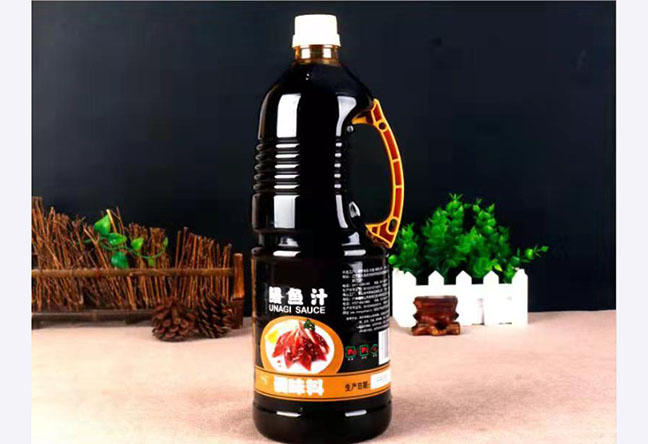
But here’s a practical note: older palates can be more sensitive to strong flavors. That’s where our eel sauce (unagi tare) makes all the difference. The sweet-savory glaze balances the richness without overwhelming. In assisted-living facilities or retirement community dining, unagi kabayaki served over soft steamed rice is a dish that feels indulgent while supporting core health metrics. It’s one of the smartest healthy seafood choices you can put on a senior menu.
How Often Can You Eat Eel for Optimal Nutrition?
Here’s the question that ties all ages together: how often can you eat eel for nutrition without overdoing it? Eel is rich, so balance is key. For most adults, 1–2 servings (100–150g each) per week is a safe and beneficial frequency. That gives you enough omega-3s and B12 to accumulate benefits without excessive vitamin A intake (though it’s very hard to reach toxic levels from food alone). Children and older adults can aim for 1 serving (50–80g) twice a week.
If you’re serving eel in a restaurant, this frequency is actually a plus for your business: it encourages repeat visits. A customer who knows eel is a nutrient-dense treat — not an everyday fuel — will come back specifically for it. And for wholesale buyers, it supports consistent reorders without overstocking.
From Plate to Health: Choosing Quality Eel for Maximum Benefits
Not all eel is equal, and the eel health benefits you get depend heavily on how the fish is raised, processed, and prepared. Look for suppliers who control the full chain. Our freshwater eels come from a dedicated unagi eel farm that maintains strict water quality and feeding protocols. Every batch is tested at our in-house eel lab — so the frozen unagi kabayaki that reaches you is as clean as it is delicious. No shortcuts, no muddy off-tastes.
For B2B kitchens, consistency matters. A frozen eel supplier who delivers uniform fillets with the same glaze, same texture, same nutritional value means you can standardize your dishes. Whether it’s an eel noodle soup for a winter menu or a summer donburi special, you’ll know exactly what nutrition is landing on the plate.
Bringing Eel Health Benefits to Every Table
Eel health benefits aren’t a fad — they’re a functional, delicious way to nourish humans from their first solid foods to their golden years. Whether you’re a parent, a chef, or an importer, the same principle holds: quality unagi delivers protein, omega-3s, and a rare vitamin profile that few other foods can match. We haven’t even touched the culinary flexibility yet. Our recipe library covers everything from unagi ramen to crispy eel tempura, making it easy to adapt the fish to any demographic.
Ready to explore? Dive into our frozen seafood range or learn more about how to cook eel with easy methods. If you have questions about bulk orders or nutritional specifications, our team is always on hand. Make eel your healthy seafood choice — for every stage of life.