

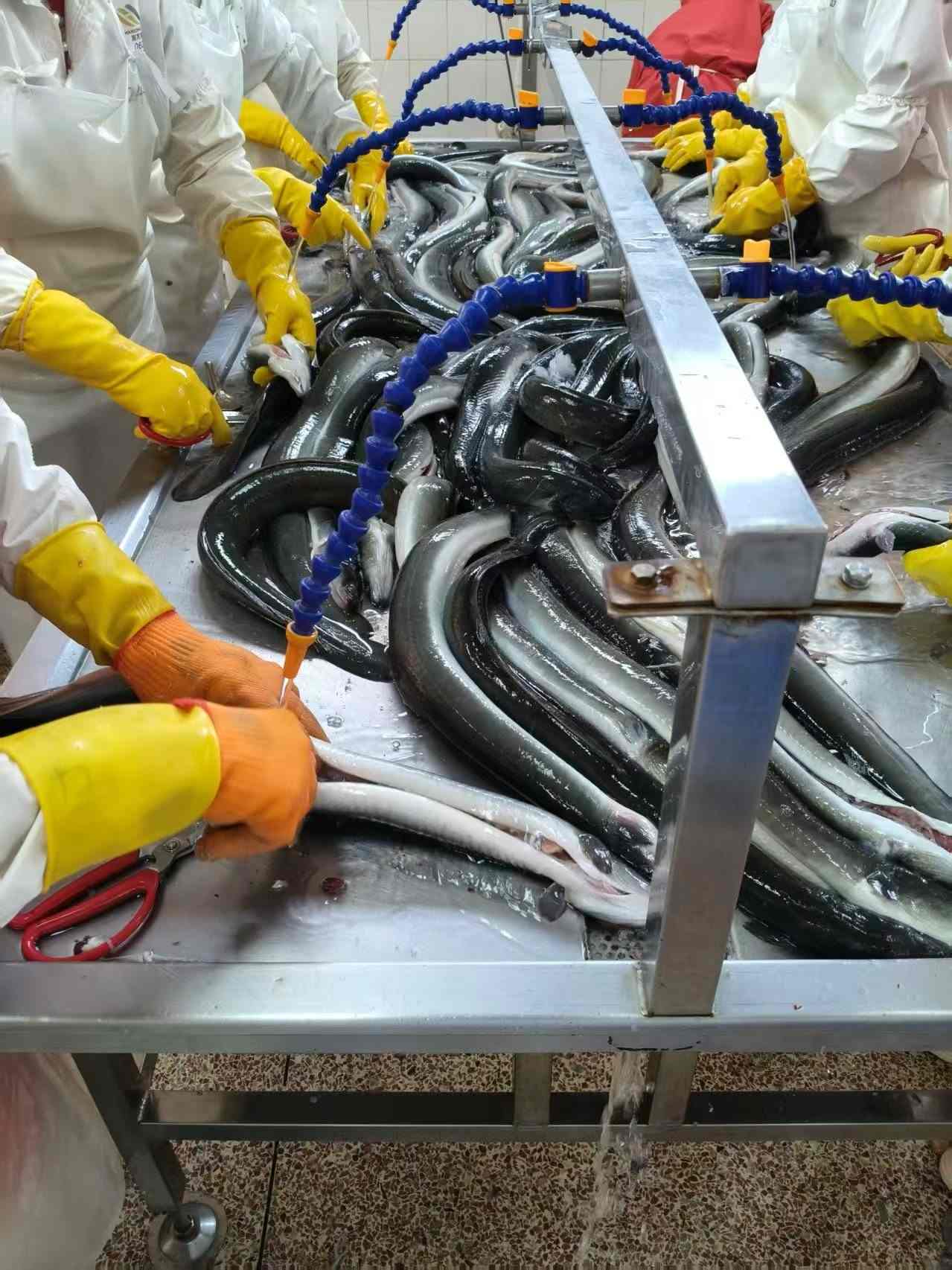
Unagi Kabayaki Frozen: Portion Formats for Foodservice
Imagine cracking open a case of frozen unagi kabayaki, only to discover the fillets are too narrow for your signature eel bowl. Or so large that every plate looks overstuffed. Getting the portion right isn’t just about cost per kilo. It’s about plate consistency, speed, and how your team moves during the rush. So let’s sort out the formats that work under real kitchen pressure.
Why Portion Formats Make or Break a Menu
Frozen kabayaki eel arrives in dozens of shapes and weights. But for a chef, three things matter above all: individual portion weight, fillet completeness, and how easily it thaws and plates. Buy the wrong cut and you’ll be trimming for hours. Buy too small and your rice bowl feels stingy. That’s why procurement teams who switch from rough whole eel to precision unagi kabayaki portions often cut prep time in half.
We’ve seen a Japanese ramen chain fix their ticket times simply by switching from random 300g blocks to standardized 90–100g frozen eel fillets. Same price band. Zero trimming. Every bowl looked identical.
What Portion Sizes Are Available for Frozen Unagi Kabayaki?
Let’s cut through the catalogue speak. Most professional unagi kabayaki frozen products break into three tiers:
- Small / single-serve: 60–90g per portion. Fast thaw, ideal for sushi rolls, small donburi, or bento corners. Ready-to-serve unagi in this weight feels generous without pushing price.
- Standard foodservice: 100–140g per fillet. The workhorse for unagi don, ramen toppings, and set meals. This is where most buyers land.
- Large / whole fillet: 150–200g+. Often packed as whole unagi kabayaki. Used for impressive split-roasting, show plates, or custom portioning in fine-dining kitchens.
We also supply custom sizes for high-volume chains—just ask your rep about frozen eel supplier options. The two numbers you’ll pin down: pre-portion weight and tolerance band (usually ±5g on standard orders). Tighter tolerances mean less waste per tray.
Fillet Cuts and Shapes That Match Kitchen Workflows
Beyond weight, the way the eel is cut determines how it behaves under a salamander or torch. Three formats dominate foodservice:
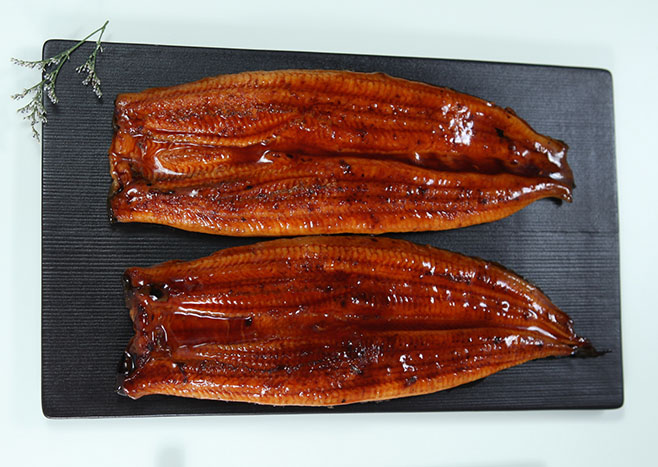
- Whole butterfly fillet (hiraki): The classic open flat fillet. Glazed on one side. Chefs finish with a quick skin-side char. Perfect for donburi where the eel drapes over rice. Best for high-end presentation.
- Half-cut / saku block: Rectangular slabs roughly 8–10cm long. Designed for slicing into nigiri sushi or stacking. Less breakage during thaw. Kitchens doing volume sushi swear by this cut.
- Pre-sliced strips: 1.5–2cm wide strips, often sold in 80–100g trays. No knife work required. Direct from pack to rice or roll. Speed is the game here.
We consistently advise ramen operators: if your broth is rich, choose a whole fillet cut on the thicker side so the eel doesn’t dissolve into the soup. For bento, pre-sliced strips help portioning without a dedicated prep station.
Pack Configurations That Work Under Real Conditions
How the eel arrives at your dry storage changes everything. Here’s what we see across export markets:
- Individual vacuum pack (IVP): Each frozen eel fillet sealed separately. No clumping. Grab one, drop the rest back in the freezer. Best for low- to medium-volume kitchens.
- Bulk frozen tray with interleaver: Layers of fillets separated by plastic sheets. Cheaper per unit, but you’ll need to break them apart. Works well for central kitchens that portion into daily mise en place.
- Portion-count IQF bags: Individually quick-frozen pieces that flow freely. Think large 5kg sacks where each 80g piece stays loose. Great for conveyor-belt sushi or batch cooking.
A head chef we worked with moved from bulk trays to IVP and saw freezer-burn waste drop to near zero. Small change, huge impact on food cost.
How Do Restaurants Use Frozen Kabayaki Eel Across Different Formats?
It all starts with the plate. The format you pick should flow backward from how the guest sees the eel. Here’s how formats map to common foodservice applications:
| Menu Item | Recommended Format | Portion Example |
|---|---|---|
| Unagi donburi / eel rice bowl | Whole butterfly fillet | 120g, size-adjusted to bowl diameter |
| Unakyu maki / eel avocado roll | Pre-sliced strips or saku block | 80g of strips fills 4–5 rolls |
| Eel nigiri | Saku block (half-cut) | 100g block yields 8–10 pieces |
| Eel tempura appetizer | Small whole fillet (hiraki) | 70–90g, battered whole |
| Eel fried rice topping | Diced pre-cooked chunks | 50g scatter per wok portion |
If you’re building a menu around eel recipes: 10 flavor pairings, choose a format that can stretch across three or four dishes. That keeps inventory simple and reduces freezer clutter.
Which Unagi Kabayaki Format Suits Foodservice Operations Like Yours?
The answer changes with your service style. Let’s break it down by venue type:
- High-turnover ramen shops: Go with pre-sliced or small single-serve fillets. No knife needed. Just torch and plate. Combine with a eel sauce product page for extra glaze.
- Sushi counters: Need saku blocks. Uniform thickness for consistent nigiri slicing. Ask for a 4% sugar glaze specification if you’re torching a second time—it caramelizes better.
- Catering & bento producers: Bulk IQF or interleaved trays. Portioning happens in advance. Batch consistency matters more than visual perfection.
- Fine-dining kitchens: Whole large butterfly fillets with adjustable tail thickness. Chefs will trim and re-portion to fit their plating vision. They’ll also value custom sauce levels.
Here’s a cold truth we often share with buyers: the fanciest format on paper is useless if it adds 40 seconds of fiddling during the lunch rush. Match the format to your weakest cook, not your star chef.
Glaze, Sauce, and the Secret of Consistency
Your frozen kabayaki eel already carries a base glaze, but the sauce level varies by supplier. Ours comes in three basting levels: light (10% coating), standard (15%), and heavy (20–25%). Why does this matter? Heavy glaze reheats beautifully and develops a shiny shell. Light glaze lets chefs layer their own kabayaki sauce on top. If your kitchen uses a homemade unagi tare, stick to light. If you need heat-and-serve magic, go heavy.
One common pitfall: re-glazing a heavily coated eel makes it unbearably sweet. Taste the product straight from the pack before plating decisions. Adjust your finishing sauce accordingly.
Buying Pitfalls: What to Check Before You Commit
We’ve seen enough purchase orders to know where things go sideways. Here’s your checklist:
- Portion weight tolerance: Accept nothing wider than ±5g for single-serve eel. If a supplier offers “100g average,” that can mean anything from 85 to 115g. You can’t cost that.
- Fillet integrity: Open a random pack. Is the skin intact? Are there knife tears? Broken fillets means wasted trimmings. Demand 95% whole fillet ratio.
- Glaze drip: Over-sauced eel leaks sticky residue into the bag. That residue burns under infrared torches. It also adds dead weight you’re paying for. Check for clean, even coating with no pooling.
- Freezer life: Unagi kabayaki frozen typically holds quality for 12 months at -18°C. But thin-fillet portions can dry out faster if your storage dips above -15°C. Monitor your cold chain.
One more insider tip: ask for a thawing test. Take one frozen pack, move it to 4°C overnight, and see how much moisture collects. Excess liquid in the bag usually means protein has degraded. You want nice, clean fillets even after gentle thawing.
Building a Menu Engine with Frozen Eel Fillets
Once you’ve locked in a portion format, the real fun starts: turning that ready-to-serve unagi into four menu items without adding extra SKUs. A 120g whole fillet can be served as a bold donburi, sliced into a eel sushi roll, diced into a chirashi bowl, or brushed with a miso glaze for a special. That’s four plates from one frozen case.
And when you pair your eel with an in-house tare or our eel sauce product page, you tune sweetness precisely to your crowd. Some neighborhoods like it sweet and glossy; others prefer clean soy umami. The format gives you the canvas, the sauce defines the style.
Getting Samples and Scaling Up
With any new format, start small. Request 2–3 boxes across different weight bands and try them in your trickiest shift—the one where the printer never stops. How does the thawing time align with your prep schedule? Does the glaze scorch under your specific salamander? Are the fillets consistent box to box? We often ship reference samples of our frozen kabayaki eel in three formats so chefs can feel the difference before drafting a PO.
For distributors, pack configuration matters just as much: outer carton counts, multilingual labels, and pallet patterns. We can align to your warehouse’s slot height so cartons come off the truck ready to rack.
Ready to explore which unagi kabayaki frozen format fits your line? Head over to our unagi kabayaki product page to check specs, or dive into eel rice bowl toppings: 7 better donburi ideas for next-level plating inspiration. Your perfect portion is out there—we’ll help you find it.