

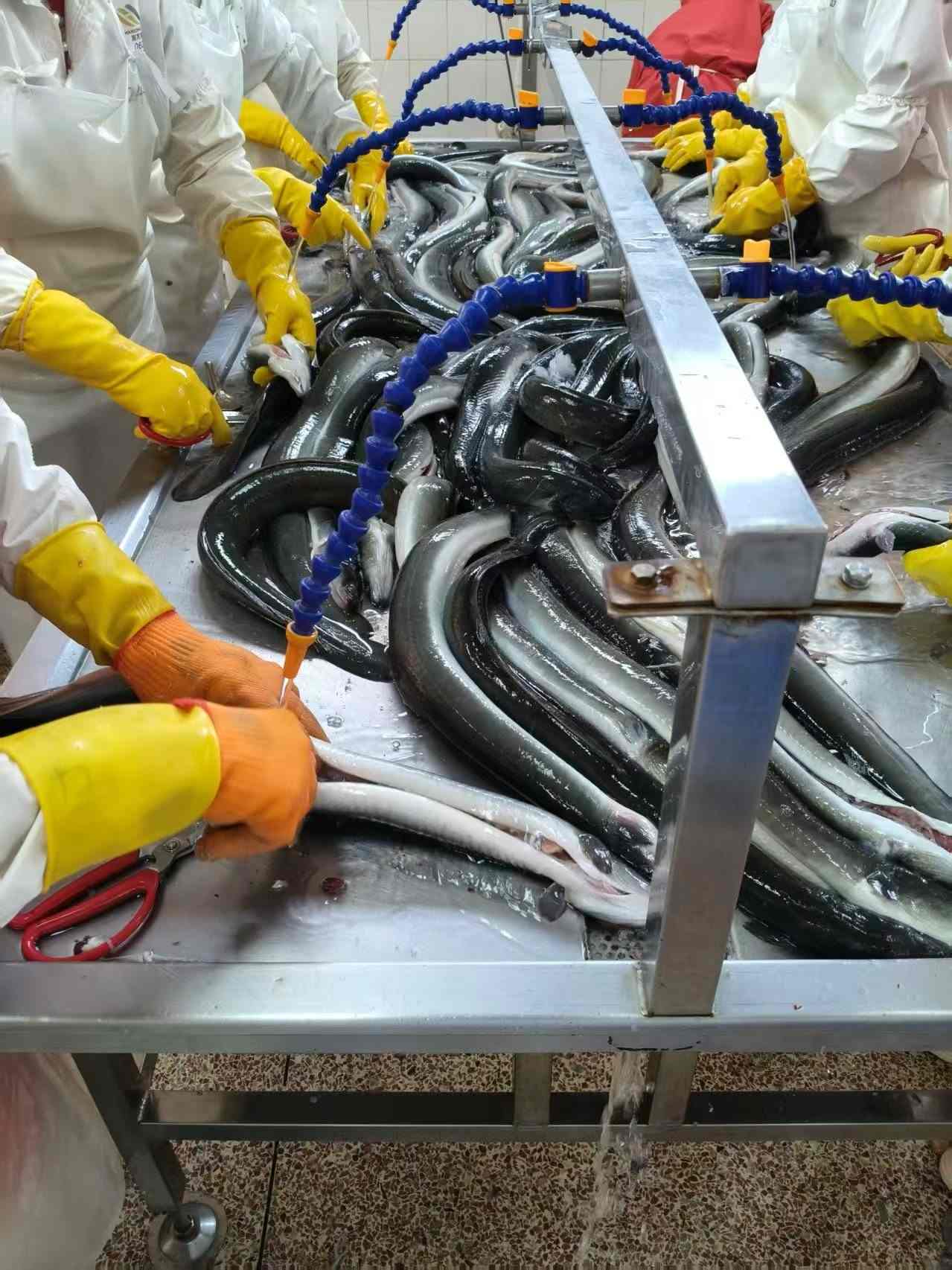
Grilled Eel Japanese Style: A Regional Flavor Guide for Buyers and Chefs
Grilled eel Japanese style isn't a single recipe. It's a flavor map. Tokyo steams its unagi until it's butter-soft. Osaka chars it over high heat for a crackling skin. Nagoya chops it over rice. For an importer or chef, skipping these details means missing what makes a menu unforgettable. Let's walk through the regions.
What Makes Japanese Grilled Eel Different?
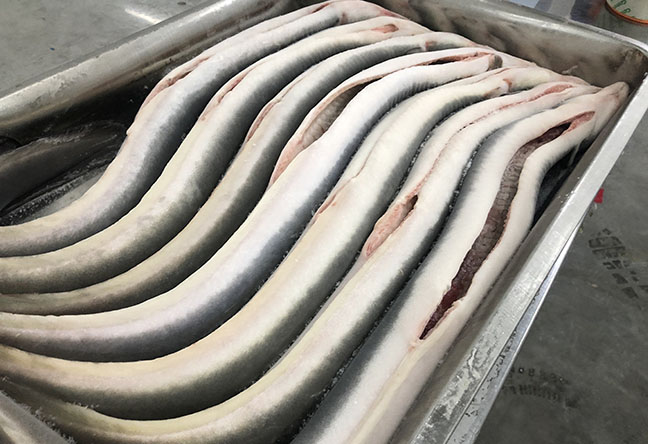
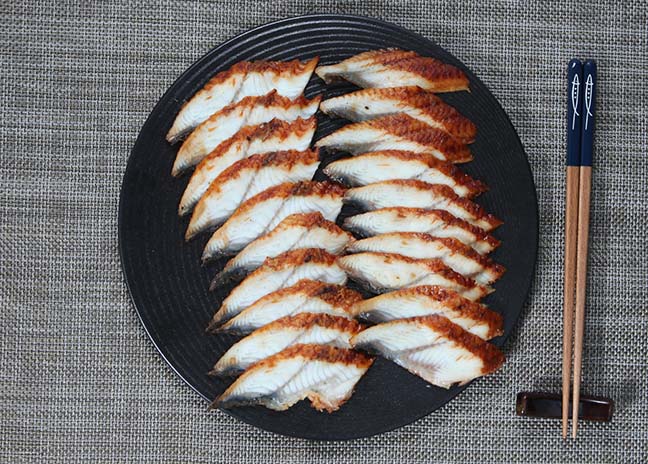
At first glance, grilled eel might seem simple. But Japanese grilled eel stands apart because of a single technique: kabayaki. The eel is split, deboned, skewered, and basted repeatedly with a sweet-savory tare sauce while grilling over binchotan charcoal. The result is a glossy, deep-brown filet with a tender interior and a lightly caramelized exterior. Most other eel preparations around the world lean on salting or smoking — none hit that balance of umami, sweetness, and smoky depth.
From a foodservice perspective, the sauce is the real differentiator. A proper unagi tare is made from soy sauce, mirin, sugar, and sake, often aged for weeks to develop complexity. That's why we offer our eel sauce as a standalone product — it lets kitchens replicate authentic Japanese eel cuisine without weeks of prep.
The Heart of Unagi: Kabayaki Eel
Kabayaki eel is the style almost all Japanese grilled eel dishes are built on. The process is precise. Eels are split along the back (Tokyo style) or belly (Osaka style), skewered, grilled, steamed, then grilled again with sauce. At Eelpro, our frozen unagi kabayaki follows this tradition closely, locking in the texture right after the final glaze. When you open a pack of our unagi kabayaki, you're literally seconds away from a dish that would take a skilled itamae 20 minutes to prep.
What surprises many buyers is the difference freezing makes. Fresh eel has a short window of peak flavor. IQF-freezing right after grilling preserves the exact moisture and sauce adhesion that make kabayaki eel irresistible. No dry edges. No cracked glaze.
Unagi Regional Styles: A Journey Across Japan
Here's where unagi regional styles get exciting. Not all grilled eel in Japan tastes the same. The three big schools are Tokyo (Edo), Osaka (Kamigata), and Nagoya — and they each bring something unique to the table.
Tokyo Style (Edomae Unagi)
Tokyo chefs split the eel down the back — a gesture tied to samurai culture, where belly-splitting evoked seppuku. The eel is grilled, then steamed for 20–30 minutes before a final grilling. Steaming renders excess fat, giving the flesh a melting, soufflé-like texture. The sauce is applied in thin layers, creating a lacquered shine. For a fine-dining or omakase menu, this is pure elegance. Pair it with a light tare and serve simply over steamed rice.
Osaka Style (Kamigata Unagi)
Osaka goes bold. The eel is split along the belly, and it's never steamed. Instead, it's grilled directly over charcoal from start to finish, basted with a slightly thicker, sweeter tare. The result: a crispy, blistered skin and a firm, meaty bite. Kansai cooks call it "jaw-training" texture. It's a perfect centerpiece for an izakaya or grilled seafood platter. One fun fact: in Kansai, the eel is served skin-side up to show off that char.
Nagoya's Hitsumabushi
Nagoya turned grilled eel into an interactive meal. Hitsumabushi is chopped kabayaki eel over rice, served in a wooden hangiri, and eaten in three steps: first as-is, then with condiments like wasabi and nori, and finally with a pour of dashi broth. It's a tasting flight in a bowl. For a gastropub or a bowl-concept restaurant, this is pure gold — diners love the ritual. It also uses smaller, irregular cuts, which makes it smart for cost control. Our frozen eel supplier service can provide perfectly portioned filets that work beautifully for hitsumabushi prep.
Which Japanese Grilled Eel Style Suits Foodservice Menus?
This is the question I hear from every buyer: "Which style should I build my menu around?" The answer depends on your kitchen's strengths and your customer's expectations.
- Fine dining or kaiseki: Tokyo-style steamed unagi. It's refined, delicate, and pairs with subtle garnishes. Pair with a light, umami-forward tare and a simple rice bowl — check out our eel rice bowl toppings guide for inspiration.
- High-turnover casual or food halls: Nagoya hitsumabushi or unagi don using pre-grilled kabayaki. Chopped eel over rice is fast, customizable, and photogenic. A 300g tray of frozen unagi can serve 8–10 bowls with minimal labor.
- Izakaya or pub menus: Osaka-style crispy skewers. The charred texture stands up to bold condiments like yuzu kosho. We've seen chefs use our kabayaki eel sliced into pieces, quickly torched, and served with a drizzle of thickened tare — it's a 2‑minute pass.
The key is in the sauce. A single master tare can bridge all these styles if you adjust the sweetness and body. We developed our kabayaki sauce as a secret weapon exactly for this: one pot of properly aged sauce can anchor five different unagi dishes.
Unagi Tare: The Soul of the Dish
I can't talk about regional grilled eel without giving tare its own section. Unagi tare isn't just a glaze — it's a living ingredient. In many Japanese eel houses, the master sauce is years or even decades old, constantly replenished. The flavor deepens with each batch of eels that pass through it. For a B2B operation, that kind of aging isn't always feasible. That's why we supply a ready-to-use tare that mimics that depth, without the months-long wait. Our eel sauce product page shows how it works for everything from basting to dipping.
One cold tip: never let the tare boil dry during service. It catches bitter notes fast. Keep a small bain-marie at 75–80°C and add fresh base sauce as needed. That little detail saves tubs of wasted glaze every month.
Pro Tips & Pitfalls to Avoid
Let's get practical. Even the best frozen unagi kabayaki can be ruined with a few common mistakes.
- Microwave heating. Don't do it. The eel's skin turns rubbery and the sauce separates. Use an oven or toaster (180°C for 5–7 minutes) or a salamander. A quick torch pass after heating restores that just-grilled crisp.
- Over-glazing during reheat. The factory-applied glaze is already balanced. Adding thick tare before reheating causes burning. Instead, warm the eel, then brush on a thin layer of hot tare right before plating.
- Freezer burn from open packs. Once you open a tray of frozen eel, wrap unused portions tightly and use within 48 hours. Our unagi kabayaki eel comes in vacuum-sealed portions to minimize air exposure, but once opened, treat it like fresh fish.
A fun hack from Japanese kitchens: save the trimmed eel tails. Simmer them in dashi with ginger for a rich stock — it's the base of unagi ramen or a smoky broth for udon. Zero waste, huge flavor.
Regional Flavors, One Reliable Source
Whether your menu leans toward Tokyo's steamed tenderness or Osaka's smoky crunch, the starting point is the same: high-quality, consistently glazed kabayaki eel. We work directly with our eel farm and monitor quality inside our eel lab to ensure that every batch of frozen unagi kabayaki meets the standards expected for Japanese eel cuisine abroad. No shortcuts, no filler.
If you're planning to build an eel-focused section on your menu, think about which regional style fits your brand — and then let the eel itself do the heavy lifting. For more flavor-building ideas, take a look at our eel recipes with 10 flavor pairings, or explore how regional traditions translate into dishes like unagi sushi rolls. I'd love to hear your take: which style speaks to your kitchen? Let's talk in the comments.