


Why You Will Almost Never Find Raw Eel Sushi on a Menu
As a B2B buyer for restaurants or seafood distribution, you are familiar with sourcing a wide variety of fish for sushi and sashimi. You can easily procure raw tuna, salmon, and yellowtail. Yet, you will almost never see raw eel sushi offered. This isn't a matter of taste or tradition; it's a critical issue of food safety rooted in the eel's unique biology.
The blood of both freshwater and saltwater eels contains a neurotoxin that can cause serious illness in humans. This is why, unlike many other popular sushi fish, eel must always be cooked before consumption. As a quality assurance specialist, I've guided dozens of clients through import compliance, and understanding the 'why' behind processing is the first step to sourcing safe, high-quality products. Proper heat treatment is not just a cooking step—it's a mandatory safety control point.
Understanding Eel Blood Toxin and Why Cooking Is Essential
The primary concern with raw eel safety is a protein-based toxin present in the eel's blood, known as an ichthyohemotoxin. When ingested by mammals, this toxin can cause cramps, nausea, vomiting, and diarrhea. While the concentration of the toxin varies, the risk is significant enough that serving raw or undercooked eel is standard practice to avoid across the global food industry.
The good news is that this toxin is thermolabile, meaning it breaks down and is rendered completely harmless by heat. A cooking temperature of 60-70°C (140-158°F) is sufficient to neutralize the toxin. This is why eel is always served grilled (kabayaki or shira-yaki), steamed, or simmered in professional kitchens. The cooking process is a a critical control point for unagi food safety.
This fundamental difference in preparation separates eel from many other fish used in sushi, as detailed below.
| Attribute | Eel (Unagi/Anago) | Tuna/Salmon |
|---|---|---|
| Primary Biological Hazard | Ichthyohemotoxin (blood toxin) | Parasites (e.g., Anisakis), bacteria |
| Required Mitigation Method | Cooking: Heat treatment (grilling, steaming, boiling) to at least 60-70°C to neutralize the toxin. | Freezing: Deep-freezing to specific time/temperature profiles (e.g., -20°C for 7 days or -35°C for 15 hours) to kill parasites. |
| Can It Be Served Raw? | No, never. The toxin is not destroyed by freezing or curing. | Yes, after undergoing proper "sushi-grade" or "sashimi-grade" freezing protocols. |
| Resulting Commercial Product | Ready-to-heat frozen unagi kabayaki, steamed eel, smoked eel. Always a fully cooked product. | Frozen blocks/loins/saku intended for thawing and raw consumption. |
For an importer or foodservice chain, this distinction is vital. You cannot handle eel with the same "sushi-grade" freezing protocols used for tuna and assume it is safe. The risk profile is entirely different, and the only reliable safety measure is thorough cooking performed by a certified processor.
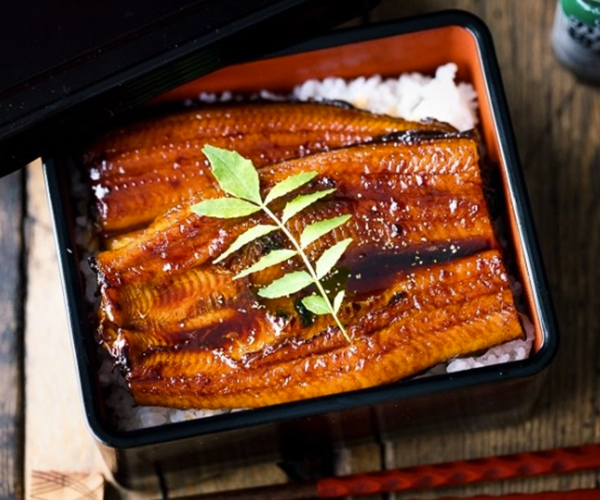
From Farm to Freezer: How Certified Suppliers Guarantee Unagi Food Safety
Because cooking is non-negotiable, a reliable supplier's processing and quality control systems are your primary defense against food safety risks. At Eelpro, we've built our entire production chain around mitigating these inherent risks and delivering a product that is not only safe but also consistently high-quality for our export partners in Japan, the US, and the European Union.
Our approach integrates control from the very beginning. We source raw materials from approximately 20 customs-registered eel farming bases. This full-chain traceability, starting from our unagi eeel farm partners, allows us to monitor feed, water quality, and veterinary drug use, ensuring the eels meet strict international standards before they even enter our facility. This helps our buyers avoid costly import rejections related to residues and contaminants.
Inside our ISO 22000:2018 and HACCP-certified facility, the process is governed by strict controls. Our own professional eel lab conducts targeted sampling and verification. Metal detectors are placed at critical control points. This infrastructure, managed by our 25-person quality control team, ensures every piece of eel is processed to the highest safety standards.
Buyer's Checklist for Sourcing Safe Cooked Eel
When evaluating a potential supplier for frozen roasted eel, use this checklist to verify their capabilities and minimize your sourcing risk:
- Certifications: Do they hold internationally recognized food safety certifications like ISO 22000:2018 and HACCP? Are they registered for export to your specific market? (Eelpro holds an Export Food Producer Registration Certificate and HALAL certification).
- Traceability: Can the supplier trace the product back to the farm? Ask for documentation on their traceability system.
- Cooking Process Validation: How do they validate that their cooking process consistently reaches the temperature required to neutralize the eel blood toxin? Request their HACCP plan details for this critical control point.
- In-House Testing: Do they have an in-house laboratory for microbiological and residue testing, or do they rely solely on third-party labs? In-house capabilities allow for faster and more frequent checks.
- Cold Chain Management: What is the capacity and condition of their cold storage? A large, modern facility (we operate a 1,000-ton cold storage unit) ensures product quality is maintained from production to shipment.
The Roasting Process: Adding Value Beyond Safety
While heating is essential for safety, the method of cooking is what creates the product's value. Our export-grade roasting process is a perfect example. It's not just about hitting a target temperature; it's a precise culinary technique designed for flavor, texture, and consistency.
We've developed a proprietary 4-layer soy sauce coating process. Each layer of our signature eel sauce is applied at a specific stage of roasting, with carefully controlled temperatures. This method builds a deep, complex flavor that cannot be achieved with a single coating. It also allows us to meet precise color standards, from the initial "white-roasted" stage to the final rich, caramelized kabayaki finish.
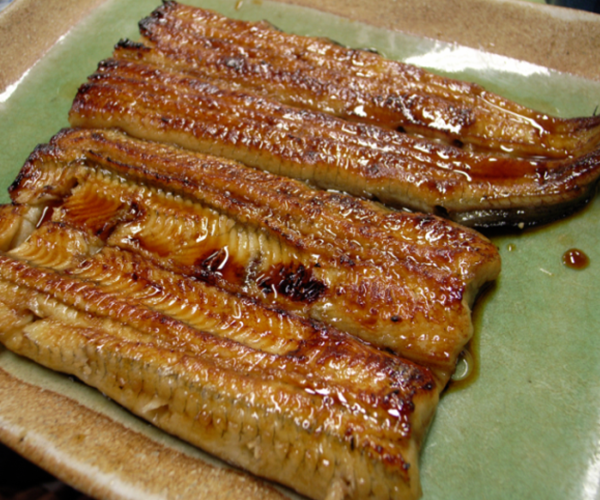
Furthermore, we utilize patented technologies for low-fat roasting and deodorizing. This removes any undesirable muddy notes sometimes found in freshwater eels, resulting in a cleaner, more refined taste profile preferred by Japanese and other international markets. The end product is a fully cooked, boneless, and ready-to-heat item that dramatically reduces back-of-house labor for restaurant chains. Chefs can simply thaw, heat, and serve, guaranteeing consistent quality for every customer.
Choosing the Right Product Format for Your Business
Sourcing cooked eel isn't a one-size-fits-all proposition. The right format depends on your end-use, kitchen workflow, and cost structure. As a frozen eel supplier with a 4,000-ton annual capacity, we offer various specifications to meet diverse B2B needs.
Understanding the differences helps you optimize both your menu and your operational efficiency.
| Product Format | Description | Best For | Kitchen Labor Impact |
|---|---|---|---|
| Whole Fillet (Kabayaki/Shira-yaki) | A whole, deboned eel fillet, grilled with or without sauce. The highest value presentation. | Unagi don (eel rice bowls), high-end sushi presentations, and retail gift boxes. | Low. Simply heat and serve whole or make a few simple cuts. |
| Custom Cuts (Slices, Dices, Shreds) | Pre-cut to specific dimensions (e.g., sushi slices, 3-section cut, dicing). | Sushi rolls (unakyu), fried rice, noodle soup toppings, and other prepared dishes. | Very Low. Eliminates all back-of-house cutting, ensuring 100% yield and portion control. |
| White-Roasted Skewers | Plain roasted eel on skewers without sauce. A blank canvas for chefs. | Restaurants that want to apply their own signature sauce or seasoning. | Medium. Requires an additional saucing and final grilling step in the kitchen. |
By choosing a pre-processed format like our unagi kabayaki eel, foodservice businesses can standardize their recipes, reduce prep time, and minimize waste. This translates directly to lower food costs and more consistent menu execution, which is particularly valuable for multi-location restaurant chains.
Ultimately, the absence of raw eel sushi from menus is a clear indicator of a well-understood food safety principle. For B2B buyers, the key takeaway is to partner with certified suppliers who demonstrate mastery over the entire production chain—from the farm to the final cooked, frozen product. This ensures you receive a safe, delicious, and commercially viable product for your market.
For a detailed specification sheet on our ready-to-use frozen roasted eel products or to discuss your import requirements for markets like Germany, Poland, or Australia, contact our export team today.