


Japanese Eel Sushi Deserves a Little Ceremony Before You Pick Up Your Chopsticks
You sit down at a sushi counter, point at the menu, and ask for unagi. The chef pauses. Is that kabayaki or shirayaki? Nigiri or a roll? Should you dip it in soy sauce, or will that ruin the glaze? Japanese eel sushi carries more menu language and more table manners than most diners realize — and getting it wrong doesn't ruin dinner, but it does mean missing half of what makes this dish special.
This guide breaks down the types, the ordering customs, and the one technical detail most menus never explain: why the roasting process behind the eel determines whether your piece tastes rich and clean, or fatty and fishy.
Japanese Eel Sushi Types You'll Actually Find on a Menu
Most menus lump "eel" into one line item. In practice, there are several distinct preparations, and each one changes how you should order and eat it. The eel itself typically comes from Japanese eel (Anguilla japonica) or its saltwater cousin, conger eel (anago) — and confusing the two is a common rookie mistake.
| Type | What It Is | How It's Served | Price Tier |
|---|---|---|---|
| Unagi Kabayaki | Freshwater eel, butterflied, grilled, brushed with sweet soy tare | Nigiri, donburi, or as a standalone grilled fillet | Mid-to-high |
| Unagi Shirayaki | White-roasted eel, no sauce, salt or wasabi only | Usually a small plate, meant to taste the eel itself | High |
| Anago Nigiri | Saltwater conger eel, lighter and leaner | Nigiri, often lightly glazed with a thinner tare | Low-to-mid |
| Unakyu Maki | Eel and cucumber roll | Cut rolls, eaten by hand or chopsticks | Low-to-mid |
| Unadon | Grilled eel over rice in a lacquered bowl | Full meal, not a sushi-counter order | Mid |
Knowing this table before you order saves you from the classic mix-up: asking for "unagi" when you actually wanted the lighter, less sweet anago. If you want to try rolling your own at home first, the Unakyu Maki recipe is a reasonable starting point.
Unagi Sushi Etiquette From Ordering to the Last Bite
Unagi sushi etiquette isn't about rigid rules — it's about not wasting a piece of eel that took real skill to prepare. Here's the practical order of operations:
- Order it near the start of the meal. Kabayaki is served warm. If it sits while you finish other courses, the glaze firms up and the texture turns rubbery.
- Skip the extra soy sauce. The tare is already baked into four coating layers during roasting. Dipping again just makes it oversalted and masks the char notes.
- Use chopsticks for nigiri, hands are acceptable for maki. Eel nigiri is soft and the rice is loosely packed — a firm hand grip tends to crush it.
- Add sansho pepper if offered, not wasabi. Sansho's citrus-pepper note cuts the fat; wasabi tends to fight the sweetness of the tare instead of complementing it.
- Eat it in one or two bites. Eel pieces are cut to be finished quickly while the glaze is still slightly warm and tacky.
These unagi sushi dining customs apply whether you're at a Tokyo counter or an eel-focused restaurant abroad. The logic is the same everywhere: eat it fast, don't drown the flavor, and let the sauce layering do its job.
The Roasting Process Behind Every Piece — Why the Parameters Matter
This is the part most diners never see, but it's exactly what separates a restaurant-quality piece of Japanese eel sushi from a flat, greasy one. The roasting process behind kabayaki involves several controlled steps, and each one has a direct, measurable effect on what lands on your plate.
| Parameter | What It Actually Affects | What Happens If It's Wrong |
|---|---|---|
| Soy-sauce coating layers (1st–4th pass) | Depth of color, caramelization, and salt distribution across the fillet | Too few layers = pale, under-seasoned eel; too many = burnt, bitter crust |
| White-roasted color standard | Confirms the eel is fully cooked through before sauce is applied | Undercooked white-roast stage leaves a raw, fatty aftertaste under the glaze |
| Temperature-controlled grilling steps | Fat rendering and skin texture — crisp outside, tender inside | Inconsistent heat produces either a tough skin or mushy flesh |
| Low-fat processing (patented step) | Reduces oiliness without drying out the meat | Skipping this step leaves excess fat, which turns heavy and greasy once reheated |
| Deodorizing treatment | Removes the muddy, fishy smell common in freshwater eel | Without it, the dish carries an off-putting aftertaste no amount of sauce can hide |
For restaurant buyers and importers, this matters more than it seems. A supplier that documents each of these steps — rather than just saying "grilled eel" — is the one whose product will behave consistently batch after batch. Eelpro's production applies this exact four-layer soy-sauce process alongside patented low-fat roasting and deodorizing equipment, which is why the unagi kabayaki line holds its color and texture through freezing, shipping, and reheating. You can read more on how the sauce itself is built in this breakdown of kabayaki sauce.
Common Eel Sushi Ordering Mistakes (and How to Fix Them)
These come up often enough — both at the table and in commercial kitchens — that they're worth listing plainly:
- Over-dipping in soy sauce. The tare already carries a strong umami and sweetness balance. Extra soy sauce just flattens it.
- Confusing unagi with anago. They look similar on a plate but taste noticeably different — anago is leaner and milder. Always confirm which one is listed.
- Reheating straight from frozen without resting. Frozen kabayaki needs a brief thaw before grilling or steaming, otherwise the center stays cold while the glaze scorches.
- Serving it cold or lukewarm. Unagi loses most of its appeal once the fat solidifies. It should reach the table warm, close to serving temperature.
- Ignoring bone content on the menu. Deboned fillets matter for both allergy-conscious guests and kitchen prep time — always specify boneless cuts when sourcing.
Eel Sushi Menu Guide — A Sourcing Checklist for Restaurants and Importers
If you're building or refreshing an eel sushi menu, the decision isn't just about taste — it's about consistency across every shipment. Use this checklist before signing a supply contract:
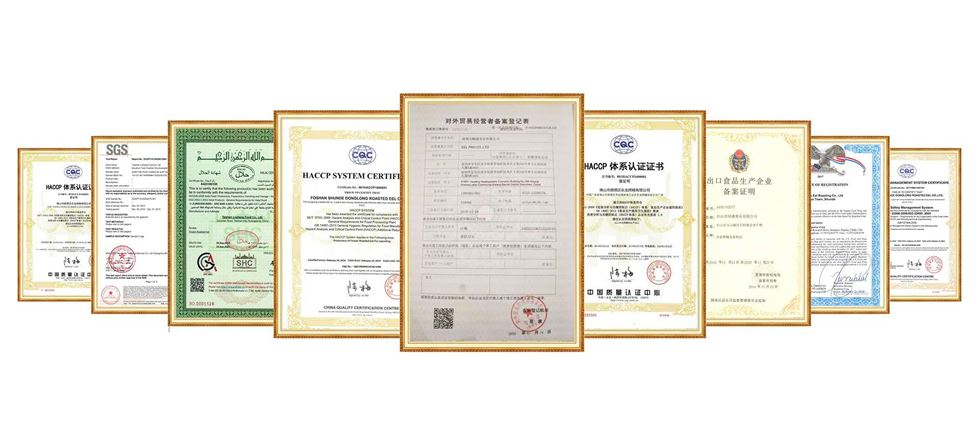
- Confirm the supplier holds food safety certification (ISO 22000:2018, HACCP, HALAL where relevant) — not just a quality claim on a brochure.
- Ask whether raw material sourcing is traceable back to registered farming bases, not mixed-origin stock.
- Check cold-chain capability — a 1,000-ton storage facility behind the supplier means fewer temperature-abuse risks in transit.
- Request cutting specification options (whole fillet, 3-section cut, sushi slices, dicing) matched to your menu format.
- Verify the product meets your market's veterinary drug residue and microbiological standards — Japan, US, and EU thresholds differ.
- Clarify MOQ terms upfront; catering chains, wholesalers, and export traders are usually quoted differently.
A frozen seafood line with proper eel farm traceability and an in-house eel lab for residue and microbiological testing removes most of the guesswork before product ever reaches your kitchen. For teams building out a wider seafood program alongside eel, the frozen seafood catalog is worth reviewing too.

One piece of trivia worth remembering: the "white-roasted" stage isn't a separate dish by accident — it's a quality checkpoint. Chefs who can't get a clean white-roast color consistently usually can't produce a reliable kabayaki glaze either. If you're evaluating a supplier sample, ask to see both stages side by side.
Whether you're refining dining customs for your own table or sourcing Japanese eel sushi components for a menu, the details above — sauce layering, roasting temperature, cutting specs — are what separate an average plate from a memorable one. Request a product sample or spec sheet from Eelpro to compare kabayaki batches against your current supplier, and check out the eel sauce page if you're sourcing tare separately for in-house glazing.