




A Perfect Unagi Glaze Every Time This Professional Recipe for Eel Prevents Burning
As a quality specialist, I see one common point of failure when foodservice clients prepare unagi kabayaki: the broiler. The sweet, soy-based glaze that defines this dish has a high sugar content, making it incredibly susceptible to burning before the eel fillet is heated through. A blackened, bitter glaze ruins the customer experience and creates kitchen waste. The problem isn't the chef; it's the method. A standard high-heat broil is a race against time that you will often lose.
This professional recipe eel guide provides a reliable, two-zone broiling sequence that ensures a perfectly warm fillet and a beautifully caramelized, but never burnt, glaze. It’s a method we’ve refined through feedback from our partners, including Japanese restaurant chains and US food importers who demand absolute consistency. By controlling the heat exposure in stages, you can achieve repeatable, high-quality results that protect your margins and delight your diners.
Selecting the Right Frozen Eel for High-Heat Finishing
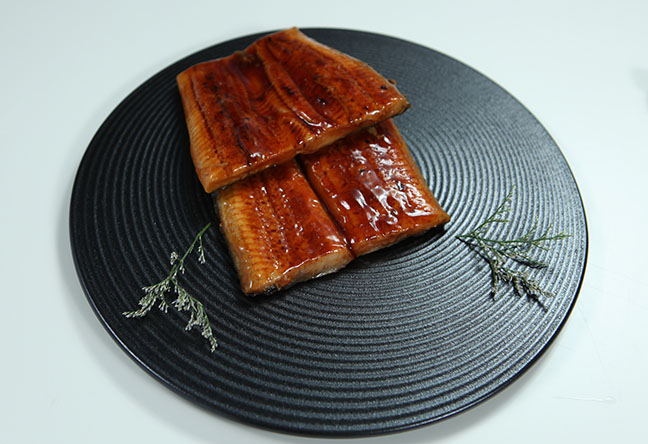
The success of any cooking method begins with the quality of the raw material. For broiling, not all frozen eel fillets are created equal. The final texture and glaze performance are directly tied to the initial processing, fat content, and pre-applied sauce layers. Sourcing a product designed for high-heat finishing can significantly reduce prep time and inconsistencies in a commercial kitchen.
At Eelpro, our entire production chain is geared toward this kind of reliability. Our patented low-fat roasting and deodorizing technology produces a fillet that heats evenly, while our precise 4-layer soy-sauce coating process creates a stable glaze that can withstand final heating. This foundation is critical. When evaluating a supplier for unagi kabayaki, consider how their product will perform under the intense heat of a broiler.
Buyer's Checklist for Broiler-Ready Unagi Kabayaki
Before committing to a bulk order, use this checklist to assess the suitability of frozen eel fillets for your broiling application. This helps you avoid products that are likely to burn, dry out, or lack flavor.
- Fillet Uniformity: Are the fillets consistent in thickness and size? Inconsistent thickness leads to uneven cooking, where thin parts burn before thicker parts are warm. Our standardized cutting specifications (shredding, dicing, 3-section cut, sushi slices) ensure uniformity for different menu applications.
- Initial Glaze Level: Is the fillet pre-glazed? A good quality frozen unagi should have a substantial, even coating of sauce. A thin or patchy glaze will offer little protection and flavor. Our 4-layer process ensures a deep, consistent coating.
- Fat Content: While some fat is desirable for flavor and moisture, excessively fatty eel can flare up under a broiler and produce a greasy mouthfeel. Our low-fat roasting patent helps manage this, creating a cleaner flavor profile.
- Traceability and Safety: Can the supplier provide documentation for their farming and processing standards? We operate ~20 customs-registered eel farm bases with full-chain traceability. This guarantees the product is free from prohibited veterinary drug residues, a critical factor for export to the US, Japan, and the European Union.
- Certifications: Does the facility hold internationally recognized food safety certifications? Our operations are certified under ISO 22000:2018 and HACCP, providing third-party verification of our food safety management system.
The Two-Zone Broiling Sequence: A Step-by-Step Professional Method
This technique separates the process into two distinct phases: heating and glazing. By using different rack positions, you create a lower-heat zone to gently warm the eel and a higher-heat zone to finish the glaze quickly. This prevents the sugars in the tare from burning while the fillet is still cold.
This method is designed for thawed, pre-cooked frozen unagi kabayaki fillets, which is the standard format for foodservice. Ensure fillets are fully thawed in a refrigerator before beginning.
| Step | Action | Key Checkpoint & Rationale | Common Failure Point |
|---|---|---|---|
| 1. Preheat & Prep | Set your commercial broiler to high (approx. 260°C / 500°F). Place one oven rack in the middle position (Zone 1: Heating) and another in the highest position (Zone 2: Glazing). Line a sheet pan with aluminum foil. | Checkpoint: Broiler is fully preheated. Rationale: Placing the eel into a hot environment is key. The two rack positions are essential for creating distinct heat zones. Foil simplifies cleanup. | Putting the eel in a cold or partially heated broiler will steam it, resulting in a soggy texture. |
| 2. Initial Heating (Zone 1) | Place the thawed eel fillets skin-side down on the prepared pan. Position the pan on the middle rack. Heat for 2-3 minutes. | Checkpoint: The eel should be steaming slightly and warm to the touch. Rationale: This step gently heats the fillet from the inside out without direct, intense heat on the glaze. | Leaving it too long will dry out the fillet. The goal is just to take the chill off and warm the core. |
| 3. First Glaze Application | Remove the pan from the broiler. Brush a light, even layer of high-quality eel sauce (unagi tare) over the top of the fillets. | Checkpoint: The sauce should be a thin layer, not a thick pool. Rationale: This fresh layer of sauce will caramelize beautifully. A thick layer is more likely to burn. | Applying too much sauce creates pools that will scorch into a bitter carbon crust instead of a delicate glaze. |
| 4. Final Glazing (Zone 2) | Move the pan to the highest rack. Broil for 60-90 seconds, watching constantly. | Checkpoint: The glaze is bubbling vigorously and just beginning to brown at the edges. Rationale: This is the finishing step. Intense, direct heat for a short duration caramelizes the sugars quickly. | Do not walk away. The transition from caramelized to burnt can happen in less than 15 seconds. |
| 5. Rest & Serve | Remove from the broiler immediately. Let the fillets rest on the pan for 1 minute before serving. The glaze will set slightly as it cools. | Checkpoint: The surface is glossy and aromatic. Rationale: Resting allows the intense surface heat to dissipate, preventing the glaze from running off when cut. | Serving immediately can result in a messy plate and a less-than-perfect presentation. |
Sauce Science: Why Glaze Consistency Matters for Broiling
The success of this recipe for eel hinges on the chemical properties of the glaze. Unagi sauce is a delicate balance of soy sauce (for umami and color), mirin (for sweetness and sheen), and sugar (for caramelization). The total sugar content, often measured in Brix, dictates how quickly it will brown and burn.
A poorly formulated sauce might have too much free sugar, causing it to scorch instantly. A well-made sauce, however, will have its sugars properly integrated, allowing for a wider window of caramelization. At Eelpro, our proprietary kabayaki sauce is developed for thermal stability. We apply it in four distinct, temperature-controlled layers during the roasting process. This builds a deep, foundational flavor and a glaze that behaves predictably under heat. Each layer is set before the next is applied, creating a 'laminated' effect that protects the fillet and provides a perfect base for that final broil-and-brush finish in your kitchen.
Traceability as the Foundation for a Reliable Recipe
For a foodservice chain in Germany or a distributor in Australia, recipe consistency is paramount. It doesn't matter how perfect a method is if the core product changes from one shipment to the next. This is where supply chain control becomes a critical, yet often overlooked, part of the recipe.
Our quality assurance starts far before the processing plant. With over 2,150 mu of affiliated, customs-registered farming bases, we control the entire lifecycle of our eels. We manage everything from farming registration and process verification to targeted sampling for residues. This ensures that the raw material entering our facility is of a consistent size, fat content, and quality standard.
Inside our 8,497 m² workshop, our 25-person quality control team, supported by our in-house eel lab and metal detectors at critical control points, enforces our strict HACCP plan. This rigorous oversight means that the frozen unagi kabayaki you receive in January is identical to the one you receive in June. That product stability is what allows a standardized recipe eel method like the two-zone broil to work flawlessly every single time, across every location in your network.
This commitment to a fully traceable, quality-controlled supply chain is how we have become a trusted supplier for clients across the US, EU, and Southeast Asia. They know that our product provides the reliable foundation they need to execute their menus perfectly.
By pairing a technically sound method with a high-quality, consistent product, you can eliminate the guesswork and waste associated with broiling eel. This professional approach ensures a perfect result that honors the ingredient and satisfies the customer.
To learn more about our frozen unagi kabayaki specifications or to request a sample for your menu development, please contact our export team.
 WhatsApp
 sales@chinaeels.com
 +8619937922411