


A Professional Unagi Nigiri Recipe to Stop Rice Falling Apart
You’ve prepared the perfect slice of glazed eel, but the moment you serve it, the rice base crumbles. It’s a common frustration in kitchens, from high-volume catering to specialty Japanese restaurants. The perfect unagi nigiri recipe isn't just about the fish; it's about the structural integrity of the rice beneath it. The problem almost always traces back to one of three areas: the rice itself, your seasoning and cooling process, or your hand-shaping technique.
As a food safety and quality specialist who has helped dozens of overseas clients meet Japanese import standards, I’ve seen how precision in each step prevents these costly and frustrating failures. This guide provides a diagnostic approach to identify exactly where your process is breaking down and how to fix it for good.
The Foundation: Correct Sushi Rice (Shari) Preparation
Before we can even discuss shaping, the quality of your seasoned sushi rice, or shari, determines over 80% of the final structure. Get this right, and the eel has a stable platform. Get it wrong, and no amount of careful handling can save it.
The ideal shari for nigiri should have individual grains that are distinct yet cling together gently. The rice should be slightly warm to the touch when shaping, around 32-34°C (90-93°F). This temperature keeps the starches pliable enough to mold but cool enough not to become a sticky paste.
Essential Rice and Seasoning Checklist
Success starts with sourcing and measuring. For our foodservice clients in Japan and the United States, consistency is non-negotiable. We apply the same mindset to our ingredients.
- Rice Selection: Always use a premium short-grain or medium-grain japonica rice. Brands like Koshihikari or Calrose have the ideal amylopectin content, which provides the necessary stickiness without turning to mush. Long-grain rice, like jasmine or basmati, will not work; the grains will never adhere properly.
- Washing: Rinse the rice in cold water until the water runs clear. This removes excess surface starch that causes gumminess. Under-washing leaves a starchy film; over-washing can start to break down the grains. Aim for 5-6 rinses.
- Soaking & Draining: Soak the washed rice for at least 30 minutes. This ensures even water absorption. After soaking, drain it in a colander for another 15-20 minutes to remove surface water, which prevents an inconsistent final texture.
- Cooking: Use a 1:1 ratio of rice to water by volume for most commercial rice cookers. Precision here is key. Too much water leads to mushy rice that is impossible to shape.
- Seasoning (Sushi-zu): The seasoning vinegar is not just for flavor; its acidity helps preserve the rice and its sugar content contributes to the final texture and sheen. Use a high-quality, pre-made sushi vinegar or make your own. A standard professional ratio is below.

Sushi-zu Ratio and Application
The seasoning must be mixed into the rice while it is still hot, directly out of the cooker. This allows the grains to absorb the liquid evenly. Use a wooden or plastic paddle and a wide, non-metallic bowl (a hangiri is traditional) to mix with a gentle "cutting" motion. This separates the grains without mashing them. Then, cool the rice rapidly with a fan while continuing to mix. This process evaporates excess moisture and gives the rice its characteristic gloss.
| Ingredient | Standard Ratio | Notes for High-Volume Kitchens |
|---|---|---|
| Rice Wine Vinegar | 200 ml | Ensure vinegar acidity is around 4-5%. Higher acidity may require less volume. |
| White Sugar | 160 g | Dissolve completely in the vinegar before adding to rice. Gentle heating helps. |
| Salt | 40 g | Use fine-grain salt for quick dissolving. |
Once seasoned and cooled to body temperature, keep the shari covered with a damp cloth to prevent it from drying out before you begin shaping your eel sushi.
Troubleshooting Guide: Why Your Nigiri Rice Falls Apart
If your rice is prepared correctly but still fails during assembly, use this diagnostic chart. I've based this on common issues reported by foodservice clients and the solutions we've developed through our quality control processes. Find the symptom that matches your problem to identify the root cause.
| Symptom | Likely Cause | Diagnostic Check | Solution |
|---|---|---|---|
| Rice crumbles into individual grains | Insufficient stickiness or dryness. | Is the rice cold? Did you use long-grain rice? Did you skip the soaking step or add too little sushi-zu? | Use short-grain rice. Ensure it's still slightly warm. Check your seasoning ratio. Cover the prepared rice with a damp cloth to retain moisture. |
| Rice is a sticky, mashed paste | Too much water, over-mixing, or wrong temperature. | Was the rice cooked with more than a 1:1 water ratio? Did you use a metal spoon and a mashing motion? Is the rice still hot? | Reduce cooking water. Use a gentle "cutting" motion to mix. Allow rice to cool to body temperature before shaping. |
| Rice sticks to your hands excessively | Hands are not properly prepared. | Are your hands dry? Is your hand-dipping water (tezu) just plain water? | Prepare a bowl of tezu: water mixed with a splash of rice vinegar. Dip your hands and clap once to remove excess before grabbing rice. Re-dip every 1-2 pieces. |
| The eel topping slides off the rice | Poor shaping or moisture barrier. | Is the rice mound shaped like a football or a flat rectangle? Is there a pocket of air inside? Is the eel sauce making the surface too slick? | Shape the rice into a slightly rounded rectangular base. Press gently to create a slight divot on top for the eel to sit in. Apply a tiny dab of wasabi as "glue" between the rice and eel. |
| The entire nigiri falls apart when picked up | Shaping pressure is incorrect. | Are you squeezing the rice tightly? Or are you barely touching it? | The pressure should be firm but gentle. Form the main shape with your palm and use two fingers to create the final form. The goal is to create a structure that is airy on the inside but stable on the outside. It should not feel dense or hard. |
Sourcing Quality Unagi for Perfect Nigiri Assembly
The quality of your eel topping also affects the final product. A poorly processed or improperly cut slice of eel can introduce excess moisture or oil, weakening the rice structure beneath it. At Eelpro, our entire process is designed to prevent this.
Our unagi kabayaki is sourced from our 19 certified and cooperative farming bases, ensuring full traceability from farm to freezer. Our patented low-fat roasting and deodorizing technology produces a fillet that is flavorful and moist without being greasy. This is critical for nigiri, as excess fat can break down the rice surface.
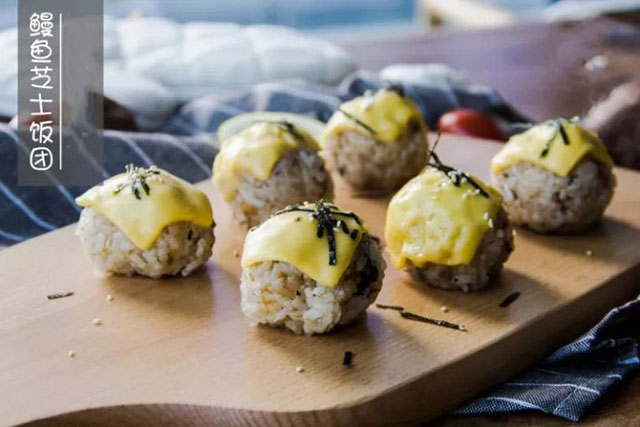
Furthermore, we offer custom cutting specifications. Whether you need precise sushi slices, dicing for gunkanmaki, or chunk-cutting for other dishes, our standardized portions reduce back-of-house labor and ensure every piece is the right size and weight. This consistency is essential for our clients in the EU and Australia who supply demanding foodservice channels. A uniformly cut piece of unagi sits better on the rice, distributes its weight evenly, and is easier for the chef to handle, which directly contributes to a more stable nigiri.
Our facility is ISO 22000:2018, HACCP, and HALAL certified, and our products meet stringent EU, US, and Japanese import standards for residues and microbiological indicators, helping you avoid trade risks. With a 4,000-ton annual production capacity and a 1,000-ton cold storage facility, we provide a reliable supply chain for high-quality frozen eel.
A Step-by-Step Guide to Structurally Sound Nigiri Shaping
With perfect rice and quality unagi, the final step is technique. Follow this procedure for consistent, stable unagi nigiri.
- Prepare Your Station: Have your covered bowl of shari, a bowl of tezu (water with a splash of vinegar), your slices of warmed unagi kabayaki, and a small amount of wasabi ready.
- Moisten Your Hands: Dip both hands into the tezu and clap them once. This prevents the rice from sticking without making your hands dripping wet.
- Portion the Rice: With your dominant hand, scoop up approximately 15-20 grams of rice. The amount should feel comfortable in your palm. Do not pre-form rice balls, as they will dry out.
- Form the Base Shape: Gently cup the rice in your palm. Use the index and middle fingers of your other hand to press and shape the rice into a small, rectangular mound. The motion should be a gentle roll and press, not a hard squeeze. Aim to perform this in 3-4 quick movements. Over-handling makes the rice dense and gummy.
- Place the Unagi: Pick up a slice of unagi with your non-dominant hand. With your dominant index finger, place a very small dab of wasabi onto the center of the underside of the eel.
- Marry the Topping and Rice: Place the unagi, wasabi-side down, onto the shaped rice mound.
- Final Press and Shape: Gently drape the unagi over the rice. Use the index and middle fingers of your dominant hand to press down lightly on top of the eel, molding it to the rice. At the same time, use the thumb and index finger of your other hand to press in the sides of the rice, securing the shape. Rotate and press one more time. The final piece should be firm enough to be picked up, but the rice inside should remain light.
By diagnosing your specific issue—whether in the rice, the seasoning, the sourcing, or the shaping—you can systematically eliminate errors. This professional unagi nigiri recipe moves beyond simple instructions to give you the quality control framework needed for consistent results.
For foodservice businesses looking for a reliable supply of perfectly processed and cut unagi kabayaki eel that meets international food safety standards, our team is ready to help. Contact us to discuss your specifications and request a sample.