


How to Prepare a Perfect Unagi Sushi Recipe with Pre-Grilled Eel
For foodservice operators, executing a consistent and high-quality unagi sushi recipe hinges on one critical factor: the quality and handling of the pre-cooked eel. While fresh preparation offers control, it introduces significant labor costs, variability, and supply chain challenges. Using premium frozen unagi kabayaki solves these issues, but only if prepared correctly. The most common failure point is improper reheating, which can turn a tender, flavorful fillet into a dry or rubbery disappointment for the customer.
My name is Nancy Chen, and as a Senior Food Safety & Quality Specialist at Eelpro, I've spent over a decade helping foodservice clients in Japan, the US, and the EU integrate our products into their menus. This guide provides a standardized, professional method for preparing unagi nigiri using ready-to-heat products, focusing on the techniques that preserve texture, enhance flavor, and ensure consistency from the first serving to the last. We will cover sourcing criteria, a precise preparation workflow, and quality control checkpoints for your kitchen.
Sourcing Premium Frozen Unagi: A Buyer's Checklist
Before any recipe begins, the quality of your final dish is determined by the product you source. For importers and restaurant chains, sourcing unagi kabayaki requires looking beyond price to verify safety, consistency, and traceability. An unreliable supply chain introduces risks of veterinary drug residues or microbiological contamination, which can lead to import rejections and damage your brand's reputation.
At Eelpro, our entire process is designed for export compliance and foodservice reliability. We operate under ISO 22000:2018 and HACCP systems, with HALAL certification and full registration as an export food producer. This disciplined approach ensures our products consistently meet the stringent standards of markets like Japan and the European Union.
Use this checklist when evaluating a potential frozen eel supplier:
- Full-Chain Traceability: Can the supplier trace the product back to the source? We manage this through a network of approximately 20 customs-registered eel farming bases. This control over the 2,150+ mu of our unagi eel farm operations allows for targeted sampling and complete traceability from farm to shipment.
- Processing and Roasting Technology: What is their roasting method? A superior process enhances flavor and texture. Our patented low-fat roasting and deodorizing technology, combined with a precise 4-layer soy-sauce coating process, creates a rich flavor profile and a tender texture that holds up well during reheating.
- Certifications and Compliance: Do they hold internationally recognized food safety certifications? Look for ISO 22000, HACCP, and any market-specific credentials like HALAL. These are not just logos; they represent a documented, audited commitment to safety protocols.
- Production Capacity and Logistics: Can they handle your volume and ensure stable delivery? With an annual capacity of 4,000 tons and a 1,000-ton cold storage facility, we provide a reliable supply chain for large-scale partners, from restaurant chains in Japan to food importers in Germany and Poland.
- In-House Quality Control: What internal checks are in place? An in-house eel lab and metal detectors at critical control points are signs of a mature quality management system. Our team includes 25 dedicated technical and quality-control specialists who oversee every batch.
Step-by-Step Guide: Preparing Unagi Nigiri from Frozen Kabayaki
The key to a great unagi sushi recipe when using pre-cooked eel is a gentle touch. The eel is already fully cooked and glazed; your goal is simply to warm it to the perfect serving temperature while preserving its delicate texture and activating the aroma of the kabayaki sauce. Overheating is the single biggest mistake in preparation.
This procedure is designed for efficiency and consistency in a commercial kitchen environment.
Three-Step Professional Preparation Method
This table breaks down the process for preparing unagi nigiri, highlighting key actions, quality checkpoints, and common mistakes to avoid at each stage.
| Step | Action | Quality Checkpoint | Common Mistakes |
|---|---|---|---|
| 1. Thawing & Reheating | Thaw the vacuum-sealed unagi kabayaki in the refrigerator overnight. To reheat, place the sealed bag in a pot of hot water (~80-90°C or 175-195°F) for 3-5 minutes. Alternatively, steam for 3-4 minutes. Avoid microwaving or direct pan-searing from frozen. | The eel should be warm and pliable, not hot. The flesh should feel soft and moist. The sauce should be glossy, not broken or separated. | Overheating: Microwaving or boiling makes the proteins contract, resulting in a tough, rubbery texture. The delicate fats can render out, leaving the eel dry. |
| 2. Forming the Nigiri Rice | Use high-quality, seasoned sushi rice, slightly warm to the touch. Moisten your hands with tezu (a mix of water and rice vinegar). Take approximately 15-20 grams of rice and gently form it into an oblong shape (shari). Do not compact it too tightly. | The rice ball should hold its shape but still have distinct grains. It should not be a dense, hard brick. It should be just firm enough to be picked up with chopsticks. | Over-compressing: Tightly packed rice has a pasty, unpleasant mouthfeel. The goal is a light, airy texture that complements the tender eel. |
| 3. Assembling & Glazing | Slice the warm unagi fillet to the desired size for nigiri (typically 2.5-3 inches long). Place a very small dab of wasabi on the rice, then gently press the unagi slice onto it. Apply a final, thin layer of high-quality eel sauce (unagi tare) with a brush. | The eel should adhere to the rice. The final glaze should be a thin, even sheen, not a thick, overpowering pool of sauce. The finished piece should be served immediately. | Too much sauce: Drowning the nigiri in sauce masks the delicate flavor of the eel and makes the rice soggy. A light brush of sauce is all that is needed to enhance the flavor. |
Standardizing Quality and Presentation Across Locations
For restaurant chains and large catering operations, consistency is paramount. A customer should have the same excellent experience whether they are in one of your locations in the United States or another in Australia. Using a standardized, high-quality frozen product is the first step. The second is implementing clear operational standards.
Our custom cutting services are designed to support this goal. We can provide pre-portioned sushi slices, ensuring every piece of nigiri has the same dimensions and weight, which simplifies back-of-house workflow and controls food costs. This removes the variability of staff slicing fillets by hand, guaranteeing uniformity across all servings.
Menu Versatility Beyond Nigiri
While unagi nigiri is a classic, the versatility of prepared eel allows for easy menu expansion. By sourcing different cuts, you can efficiently create a range of popular dishes with minimal additional training for your kitchen staff. This is an effective way to maximize the value of a single core ingredient.
Consider these applications for different unagi cuts:
- Sushi Slices: The standard for nigiri. Pre-cut for perfect portion control and presentation.
- Shredded Eel (Kizami): Ideal for topping rice bowls (unadon), salads, or as a garnish for an eel sushi roll recipe: make unagi rolls, providing flavor in every bite.
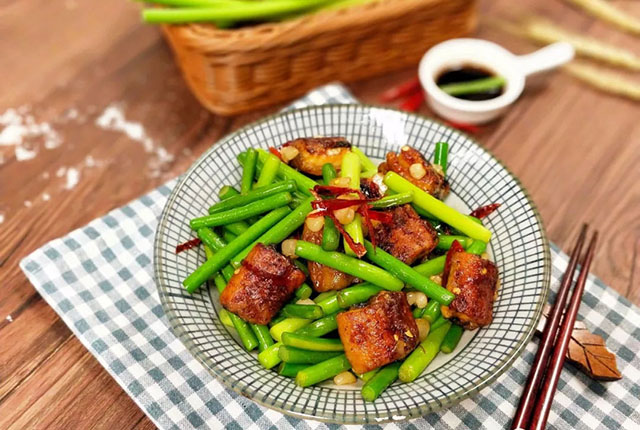
- Diced or Chunk-Cut Eel: Perfect for mixing into fried rice, filling for hand rolls (temaki), or as an ingredient in savory egg custards (chawanmushi).
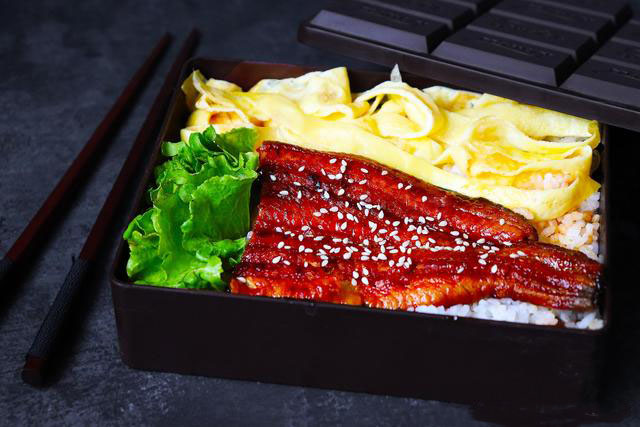
- Full Fillets: Best for classic Unagi Donburi (unadon) presentations, where the whole piece of eel is the star of the dish.
By partnering with a supplier that offers these standardized cuts, you can simplify inventory, reduce prep time, and empower your culinary team to create a diverse and appealing menu. Our products are used by foodservice channels across Southeast Asia and for Japanese restaurant chains that depend on this level of consistency.
For detailed specifications on our foodservice-ready unagi kabayaki manufacturer , frozen eel supplier products and custom cutting options, contact our export team for a product sheet and consultation.