


What is the best recipe for unagi sauce that won't burn?
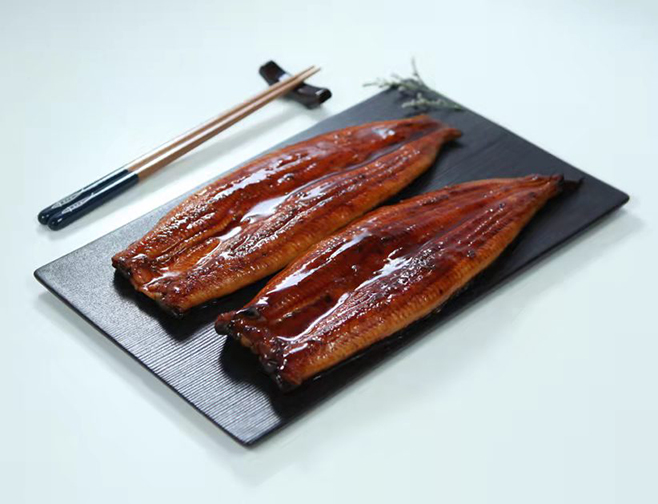
The perfect unagi sauce, or tare, is a deep, glossy glaze that clings to grilled eel. It’s sweet, savory, and rich with umami. But many chefs, both in restaurants and in food processing, struggle with a common failure point: the sugar burns during reduction, resulting in a bitter, acrid flavor and a ruined batch. The difference between a perfect glaze and a burnt mess lies in understanding and controlling the reduction process.
This isn't just about following a basic recipe for unagi sauce; it's about mastering the technique. As a food safety and quality specialist, I've seen how inconsistent sauce-making can impact a final product's quality, especially in a commercial setting. Here, we'll break down the process used in professional kitchens and food manufacturing to achieve a stable, delicious, and perfectly textured unagi sauce every time. We will focus on the critical boundaries between caramelization and scorching.
The Core Components of a Stable Unagi Tare
A classic unagi sauce is built on a foundation of four simple ingredients. The quality and ratio of these components directly influence the final flavor profile, viscosity, and stability. Getting this balance right is the first step to preventing scorching and achieving a consistent product.
Each ingredient plays a specific role:
- Soy Sauce (Shoyu): This is the backbone, providing the primary savory (umami) flavor and deep color. For commercial applications, using a high-quality, naturally brewed soy sauce is essential for a clean flavor, free from chemical aftertastes.
- Mirin: A type of sweet rice wine, mirin adds a delicate, complex sweetness and a glossy sheen. Its sugar content is less aggressive than granulated sugar, contributing to a smoother caramelization process.
- Sake: This rice wine helps to tenderize the eel when used as a baste and adds depth of flavor to the sauce, cutting through the richness. The alcohol is cooked off during the reduction.
- Sugar: Typically a neutral white or brown sugar, this provides the main source of sweetness and is critical for achieving the thick, syrupy consistency. It is also the ingredient most prone to burning.
For a reliable starting point, a common ratio is a 1:1:1:0.5 blend of soy sauce, mirin, sake, and sugar by volume. However, this can be adjusted based on the specific sweetness and saltiness of your base ingredients.
Buyer's Decision Checklist: Choosing Ingredients for Commercial Batches
For food importers or large-scale kitchens, ingredient selection impacts more than just taste; it affects consistency and cost. Here’s a checklist for sourcing your components:
- Soy Sauce: Is it naturally brewed or chemically hydrolyzed? Check sodium content for health-conscious markets like the EU. Does the supplier provide consistent batches?
- Mirin: Are you using true mirin (hon-mirin) with higher alcohol content, or mirin-style seasoning (aji-mirin) with less alcohol and added sweeteners? Hon-mirin offers a more complex flavor but is often more expensive.
- Sake: A simple, dry Junmai sake is sufficient. Expensive, premium sake is unnecessary as its delicate notes will be lost during the long reduction process.
- Sugar: White granulated sugar provides a clean sweetness. Brown sugar or rock sugar (zarame) can add richer, molasses-like notes but may alter the final color. Consistency in crystal size is important for predictable dissolving times.
At Eelpro, our commercial eel sauce is produced in ISO 22000:2018 certified facilities to ensure this balance is perfect in every batch, eliminating production variables for our clients in Japan, the US, and Germany.
The Scorching Point: How to Identify and Prevent Burnt Sugar
The most challenging part of making unagi sauce is the final reduction. This is where the sauce thickens and develops its deep flavor, but it's also where sugar can quickly go from caramelized to carbonized. Understanding the physical and chemical cues is key to preventing this.
Here is a technical breakdown of the boundaries between a perfect glaze and a burnt failure. Pay close attention to these cues to stop the reduction at the right moment.
Comparative Table: Caramelization Cues vs. Scorching Cues
| Parameter | Good (Caramelization) | Bad (Scorching / Burning) |
|---|---|---|
| Color | Transitions from light brown to a deep, translucent mahogany or dark amber. The color is even. | Becomes opaque, blackish-brown, with dark streaks. The color is uneven and murky. |
| Aroma | Rich, sweet, and nutty, with notes of toffee and roasted soy. Smells complex and inviting. | Acrid, sharp, and bitter. A distinct "burnt" smell that overpowers any sweetness. |
| Bubble Behavior | Bubbles are small, tight, and consistent across the surface. They pop slowly as the liquid thickens. | Bubbles become large, frantic, and then suddenly die down as the sugar seizes and burns. The surface may look glassy and still. |
| Viscosity & Texture | The sauce coats the back of a spoon. When a drop is placed on a cold plate, it holds its shape without running excessively. | Becomes overly thick and tar-like very quickly. It may feel gritty or clumpy as the sugar crystallizes and burns. |
| Heat Application | Low, gentle, and consistent heat. The sauce is at a simmer, not a rolling boil. | High, direct, or uneven heat. Hot spots in the pan (common with thin-walled pots) cause localized burning. |
The moment you detect any cue from the "Bad" column—especially the acrid smell—it's too late. The burnt flavor cannot be salvaged. It's better to stop the reduction slightly early than to push it too far. The sauce will continue to thicken as it cools.
A Step-by-Step Process for a Foolproof Reduction
Armed with the knowledge of what to look for, here is a repeatable process for creating unagi sauce without fear of burning it. This method prioritizes control over speed.
- Combine and Dissolve: In a heavy-bottomed saucepan (which distributes heat evenly), combine the soy sauce, mirin, and sake. Add the sugar. Stir the mixture over low heat only until the sugar is fully dissolved. Do not let it boil at this stage. Ensuring the sugar dissolves before boiling prevents crystallization later.
- Bring to a Gentle Simmer: Increase the heat to medium-low. Bring the mixture to a gentle simmer. You are looking for small, consistent bubbles, not a vigorous, rolling boil which can cause the sugars to burn quickly.
- Reduce and Monitor: Let the sauce simmer gently, uncovered, for 20-30 minutes, or until it has reduced by about one-third to one-half. Do not stir frequently, as this can introduce air and cause crystallization. Instead, gently swirl the pan occasionally. During this time, watch the bubbles and aroma closely for the cues outlined in the table above.
- Perform the Viscosity Test: To check if the sauce is ready, use the "cold plate test." Keep a small ceramic plate in the freezer. Drip a small amount of sauce onto the cold plate. It should cool rapidly, showing you its final thickness. If it forms a gel-like drop that holds its shape, it's ready. If it runs freely, it needs more time.
- Cool and Store: Once the desired consistency is reached, immediately remove the pan from the heat. Pour the sauce into a heatproof container to stop the cooking process. The residual heat in the pan can continue to cook and burn the sauce. The sauce will thicken significantly as it cools to room temperature.
This method is scalable, but for large commercial batches, specialized equipment like steam-jacketed kettles provides superior temperature control, which is how we ensure consistency in our export-grade products for clients in Australia and Southeast Asia.
Commercial Production: Consistency, Stability, and Food Safety
Making a small batch of unagi sauce in a kitchen is one thing; producing thousands of liters for foodservice or retail is another. At Eelpro, our process is designed for safety, consistency, and export compliance.
Our two modern production lines have an annual capacity of 4,000 tons. The sauce production is governed by our ISO 22000:2018 and HACCP systems. We don't just follow a recipe; we follow a validated process with critical control points.
- Raw Material Control: All incoming ingredients are tested in our in-house laboratory to ensure they meet our specifications for salt content, sugar concentration (Brix), and purity.
- Process Automation: Temperature and reduction times are precisely controlled by automated systems, eliminating the human error that leads to scorching. This is part of how we produce a consistent glaze for our unagi kabayaki eel.
- Traceability: From the soy sauce supplier to the final packaged product, every batch is traceable. This is essential for our export clients in the US and EU, who face strict import regulations.
- Patented Technology: We apply principles from our patented low-fat roasting and deodorizing technologies to our sauce-making, ensuring a clean, well-balanced flavor profile that complements the rich taste of our roasted eel from our certified eel farming bases. For those seeking more guidance on flavor, our guide on how to Fix Flavor Mistakes in Kabayaki Sauce Recipe offers additional insights.
While an in-house recipe for unagi sauce offers customization, sourcing a professionally manufactured product provides unbeatable consistency, food safety assurance, and frees up valuable kitchen labor.
For foodservice businesses looking to ensure a consistent, high-quality unagi experience without the production risks, our ready-to-use eel sauce offers a reliable solution. Contact us to request a sample or a detailed product specification sheet.