


How to Perfectly Balance a Rich Eel Dish
A beautifully prepared eel dish, especially unagi kabayaki, presents a deep, savory, and sweet flavor profile that is immensely satisfying. But when served alone, its richness can overwhelm the palate. The key to transforming a good eel dish into an exceptional one lies in the accompaniments. How do you select sides that cut through the richness without overpowering the delicate flavor of the eel itself?
The answer is a deliberate use of texture and acidity. As a quality specialist who has spent over a decade ensuring our eel products meet the stringent standards of markets in Japan, the US, and the European Union, I've seen how the most successful menus master this balance. It’s not just about adding a garnish; it’s about constructing a complete, harmonious experience on the plate. This guide provides a framework for pairing sides that complement, cleanse, and create contrast.
Why Pairing Matters: The Science of Balancing Richness
The signature taste of a quality unagi kabayaki product comes from its high fat content and the complex, sweet-savory glaze. At Eelpro, our patented low-fat roasting process and precise four-layer soy sauce coating are designed to maximize this umami-rich flavor. This process creates a delicious product, but it also concentrates the very characteristics that require thoughtful balancing.
Here’s what you are working with:
- Fat: Eel is naturally an oily fish. The fat carries flavor and creates a luscious, melt-in-your-mouth texture. However, too much fat on the palate can feel heavy or cloying.
- Sweetness: The kabayaki sauce, or tare, is built on a foundation of soy sauce, mirin, and sugar. This sweetness is essential to the flavor but needs a counterpoint to avoid becoming one-dimensional.
- Umami: This is the deep, savory taste found in the eel itself and the fermented soy sauce. While highly desirable, a dish dominated solely by umami can lack brightness.
The goal of accompaniments is to "reset" the palate with each bite. Acidity cuts through fat, crisp textures provide a physical contrast to the soft eel, and fresh, herbal notes lift the dish’s overall profile. Without these elements, the diner may experience palate fatigue before the meal is even finished.

How Crisp and Acidic Elements Counterbalance Richness
Choosing the right accompaniments is a strategic decision that directly impacts the customer's dining experience. The goal is to introduce contrast in three key areas: acidity, texture, and freshness. These elements work together to offset the rich, sweet-smoky profile of glazed or grilled eel, making the entire dish more dynamic and enjoyable.
Here is a breakdown of different types of accompaniments and their specific roles in balancing an eel plate.
| Accompaniment Type | Primary Function | Best Examples | When to Use It |
|---|---|---|---|
| Pickled Vegetables (Tsukemono) | Acidity & Crispness | Pickled ginger (gari), pickled daikon (takuan), sunomono (cucumber salad). | Almost always essential. The sharp, vinegary bite cuts through fat and cleanses the palate between bites of rich kabayaki. |
| Fresh Greens & Herbs | Freshness & Bitterness | Shiso leaves, mitsuba (Japanese parsley), microgreens, shredded nori. | Use to add a bright, aromatic lift. The slight bitterness of some greens provides a sophisticated contrast to the sweet tare sauce. |
| Citrus | Sharp Acidity | A squeeze of yuzu, lemon, or sudachi. | Best for un-glazed or lightly seasoned eel (shirayaki) to add brightness without competing with a heavy sauce. Use sparingly with kabayaki. |
| Spicy Condiments | Pungency & Heat | Freshly grated wasabi, sansho pepper. | Sansho pepper has a unique citrusy, numbing quality that pairs exceptionally well with eel. Wasabi offers a sharp heat that contrasts the eel's richness. |
| Clear Soups (Suimono) | Cleansing & Hydrating | Simple dashi-based broths with a few delicate ingredients like mitsuba or a slice of kamaboko. | Served alongside the main eel dish, a light soup acts as a palate cleanser and adds a different temperature and texture to the meal. |
A Practical Guide to Building the Plate: Three Scenarios
The ideal pairings depend on how the eel is prepared. A heavily glazed kabayaki requires a different approach than a simply grilled fillet. As a leading frozen eel supplier, we provide eel in various cuts—from full fillets to precise sushi slices—to support diverse culinary applications.
Scenario 1: Classic Unagi Kabayaki Donburi (Eel Over Rice)
This is the most common eel dish. The combination of soft rice, rich eel, and sweet sauce is a classic for a reason, but it can easily become too heavy.
- The Build: Start with high-quality steamed rice. Place the heated unagi kabayaki on top and drizzle with a bit more eel sauce.
- The Balance:
- Essential: A small pile of thinly sliced pickled ginger (gari) on the side.
- Texture: A sprinkle of toasted sesame seeds or shredded nori over the top.
- Freshness: A dusting of sansho pepper provides a tingly, citrusy counterpoint.
- On the Side: A bowl of simple miso soup or a clear dashi broth (suimono). A small dish of Japanese cucumber salad (sunomono) is also an excellent choice.
Scenario 2: Grilled "White-Roasted" Eel (Shirayaki)
Shirayaki is eel that is roasted without the tare sauce, allowing the natural flavor of the fish to shine. It's subtler and less sweet, calling for accompaniments that enhance rather than cut through.
- The Build: The grilled eel is served simply, often just cut into sections.
- The Balance:
- Essential: A small mound of freshly grated wasabi and a dish of high-quality soy sauce for dipping.
- Acidity: A wedge of sudachi or yuzu. The fresh citrus juice brightens the eel's flavor.
- Salt: A small pile of finishing salt allows the diner to season the eel to their preference.
- On the Side: Steamed rice and a clear soup are standard. A simple green salad with a light vinaigrette also works well.
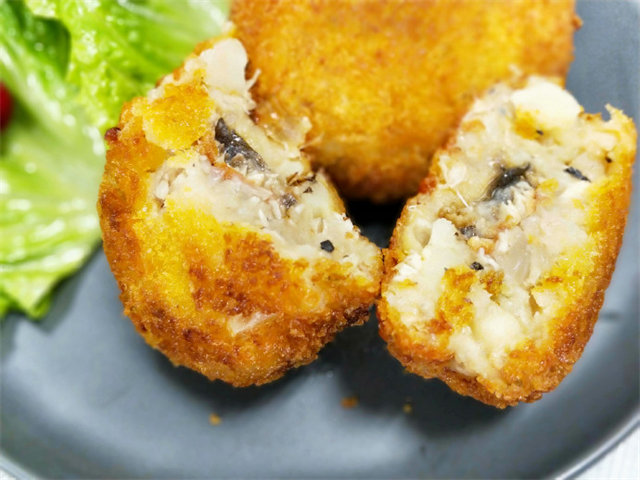
Scenario 3: Eel in Soups or as Small Appetizers
When eel is a component in a larger dish, like a soup or a small plate, the balancing elements are often incorporated directly into the recipe.
- The Build: Chunks or slices of eel might be added to a noodle soup or served as part of a multi-course meal. Check out some ideas for eel recipes for more inspiration.
- The Balance:
- In Soup: Add fresh herbs like mitsuba, thinly sliced scallions, or a swirl of yuzu zest just before serving. These aromatics lift the entire bowl.
- As an Appetizer: If serving small pieces of grilled eel, wrap them in a crisp shiso leaf or serve them on a bed of finely shredded daikon radish for a fresh, peppery bite.
Common Pairing Mistakes to Avoid
Creating a balanced eel dish is as much about what you don't add as what you do. For foodservice businesses, consistency is key, and avoiding common mistakes ensures every plate meets customer expectations. Here are some frequent missteps I've observed.
- Mistake 1: Overpowering Sauces.
Adding heavy, creamy, or overly sweet sauces alongside kabayaki is redundant. The eel already has a powerful glaze. Adding something like a thick teriyaki aioli or a sweet chili sauce will muddle the flavors and make the dish excessively heavy.
Correction: Stick to light, acidic, or fresh counterpoints. If another sauce is needed, consider a light ponzu or a simple dashi-based broth. - Mistake 2: Soggy or Watery Vegetables.
A common error is serving eel with poorly prepared vegetables, such as a watery, undressed salad or over-boiled greens. This adds moisture but no contrasting texture or flavor, resulting in a bland and unappealing plate.
Correction: Ensure any vegetable sides are crisp. Salads should be lightly dressed just before serving. Pickles should be drained. - Mistake 3: Competing Rich Ingredients.
Pairing eel with other very rich or fatty items, like tempura, fatty pork, or cream-based side dishes, can quickly lead to palate fatigue. The meal becomes a monotonous collection of heavy flavors.
Correction: Focus on contrast. If serving eel, make the other components on the plate lighter and fresher. Think grilled, steamed, or raw, not fried or braised in a heavy sauce. - Mistake 4: Ignoring Temperature Contrast.
A great meal often involves a mix of temperatures. Serving hot eel with all other components at room temperature can make the dish feel flat.
Correction: Introduce a cool element, like a chilled cucumber salad, or a hot element, like a steaming bowl of miso soup. This simple contrast adds another layer of sensory engagement.
Our role as a supplier extends beyond just providing the product. We ensure our unagi kabayaki eel is boneless, consistently sized, and ready-to-heat, reducing back-of-house labor and minimizing the risk of these common plating errors. This allows chefs to focus on creating the perfect balance of accompaniments.
By understanding the principles of balancing fat, sweetness, and umami, you can elevate a simple eel dish into a memorable culinary experience. It demonstrates a level of care and expertise that discerning customers appreciate.
For foodservice operators seeking a reliable supply of high-quality frozen eel that meets Japan, US, and EU import standards, our team is ready to assist. Contact us to discuss your specifications and learn more about our fully traceable, certified products.