

Build Unagi Rolls That Hold Their Shape and Deliver Perfect Flavor
There's nothing more frustrating than spending time to create beautiful unagi rolls, only to watch them fall apart the moment you slice them. A loose roll, a split seam, or squished ingredients can ruin the entire experience. The problem often isn’t the recipe, but the technique and the quality of your core components. Getting that perfect, tight cylinder of rice, nori, and savory eel is a matter of precision at three key stages: preparation, assembly, and slicing.
As a quality specialist who has spent over a decade ensuring our eel products meet the exacting standards of Japanese restaurant chains, I've seen firsthand how chefs control these variables. It starts with a foundation of perfectly prepared ingredients and ends with a confident, practiced rolling technique. We'll break down the process step-by-step, transforming your homemade unagi rolls from disappointing to delicious.
The Foundation: Why Your Rice and Nori Preparation Matters
Before you even think about the eel, the structural integrity of your unagi rolls depends entirely on the rice and nori. Get these wrong, and no amount of careful rolling will save you. Professional chefs treat these foundational elements with the utmost respect, and you should too.
First, let's talk about the rice. You need proper sushi rice—a short-grain variety that becomes sticky and tender when cooked. The goal is a texture where individual grains are distinct but cling together.
- Rinsing is Non-Negotiable: Rinse the rice in cold water until the water runs clear. This removes excess surface starch, which prevents the rice from becoming a gummy, unworkable paste.
- The Right Water Ratio: Typically, a 1:1 or 1:1.1 ratio of rice to water is ideal. Too much water creates mushy rice that will make your nori soggy and weak. Too little water results in dry, hard rice that won't stick together, causing your roll to crumble.
- Seasoning and Cooling: Once cooked, transfer the rice to a large, non-metallic bowl. While it's still hot, gently fold in the sushi vinegar mixture (vinegar, sugar, salt). Do not stir vigorously or you'll crush the grains. Fan the rice as you fold to cool it down quickly to room temperature. Hot rice will steam and wilt the nori sheet on contact.
Next is the nori (seaweed sheet). Not all nori is created equal. Look for packages labeled for sushi, which are typically thicker and more pliable. A good quality sheet should be dark, crisp, and have a slight sheen. Avoid flimsy or brittle sheets, as they are prone to tearing during the rolling process. Store your nori in an airtight container to protect it from humidity, which is its worst enemy.
The Art of Assembly: How to Prevent Loose or Split Unagi Rolls
This is where technique truly shines. A perfectly assembled roll is a balance of ingredient distribution and pressure. Too much filling or uneven rice will cause a blowout. Too little pressure and the roll will be loose. Here’s a breakdown of the critical checkpoints to create structurally sound unagi rolls.
This table details each step of the assembly, the specific goal, and what happens when it goes wrong. Following this will help you diagnose and fix common rolling problems.
| Step | Key Checkpoint | Common Failure & Reason |
|---|---|---|
| Spreading the Rice | Spread a thin, even layer of rice (about 5-7mm thick) over the nori, leaving a 1-inch (2.5 cm) border clear at the top edge. | Failure: Roll won't seal closed. Reason: If rice goes to the very edge, there's no plain nori surface to act as an adhesive when you finish the roll. The rice prevents a clean seal. |
| Placing the Eel | Arrange your unagi kabayaki eel and other fillings in a neat horizontal line about one-third of the way up from the bottom edge of the nori. | Failure: Uneven, conical roll. Reason: Placing fillings off-center or in a messy pile leads to a lopsided roll that is thick on one end and thin on the other, making it difficult to slice evenly. |
| The Initial Tuck | Lift the bottom edge of the bamboo mat. Use your fingertips to curl the nori over the fillings, tucking the edge firmly underneath them to form a tight core. | Failure: A hollow center. Reason: Skipping this firm initial tuck is the #1 cause of loose unagi rolls. Without a tight core, the rest of the roll has no structure to form around and will inevitably be slack. |
| The Full Roll | Continue rolling the mat forward, applying steady and even pressure with your hands to shape the cylinder. Do not squeeze; instead, press and form. | Failure: The roll splits or falls apart. Reason: Squeezing too hard forces the rice and fillings outward, splitting the nori seam. Applying too little pressure fails to compact the ingredients, resulting in a roll that falls apart when sliced. |
Selecting and Preparing Your Unagi for Superior Rolls
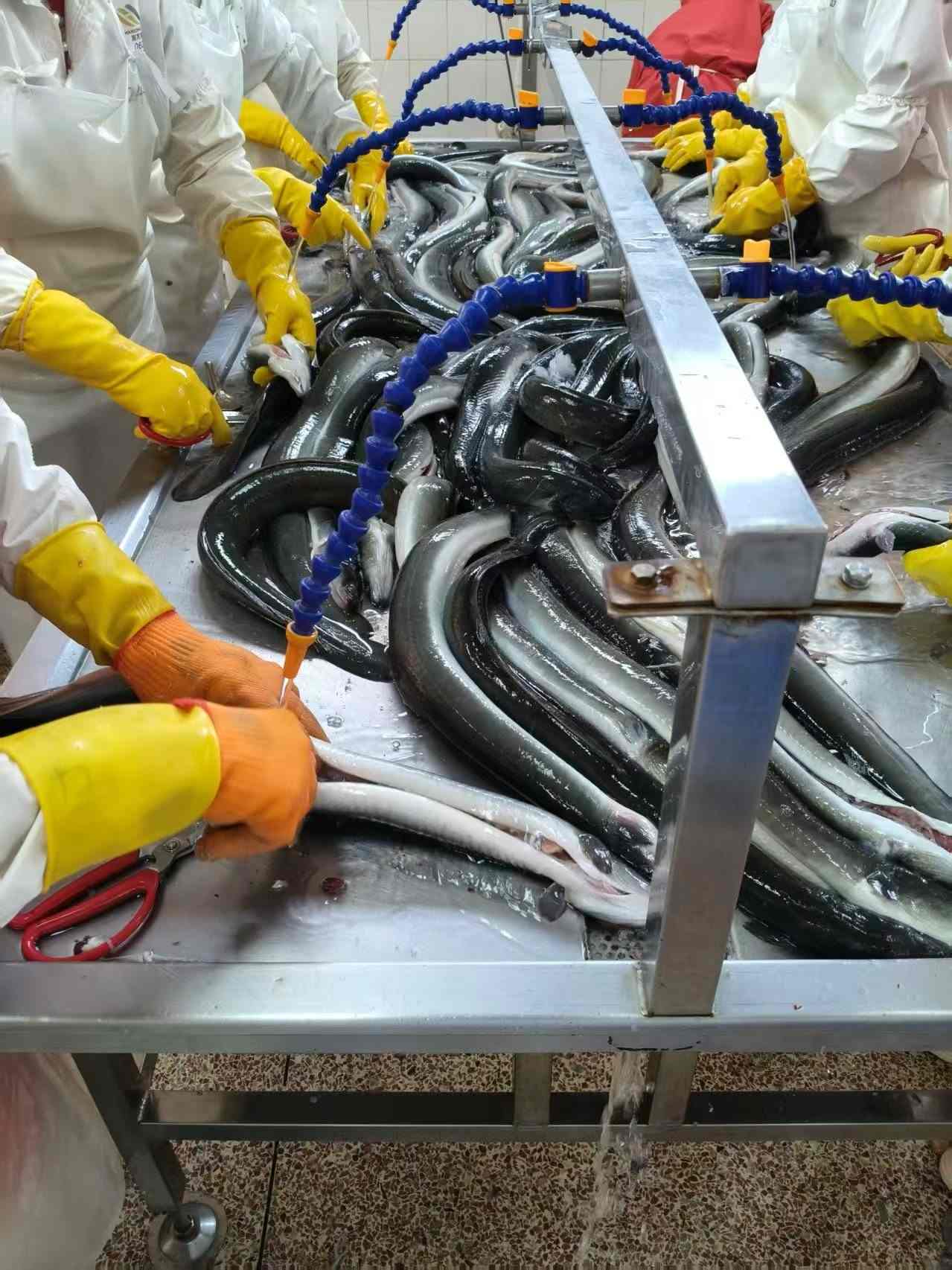
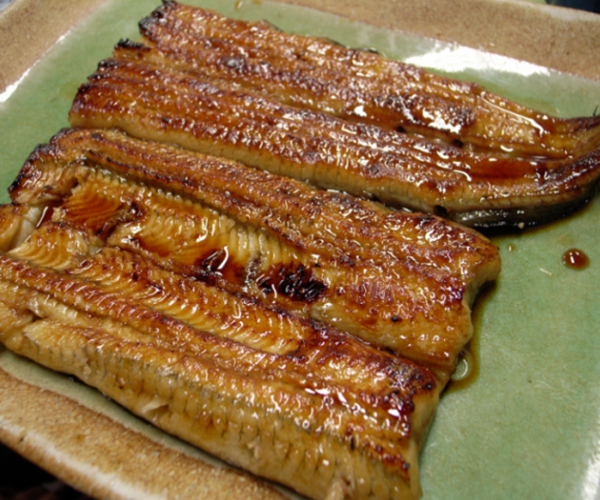
The star of any unagi roll is, of course, the eel. The quality of your unagi kabayaki will define the flavor and texture of the final product. At Eelpro, we supply foodservice clients in the US, Germany, and Australia who demand consistency, and that quality starts long before the eel reaches the kitchen.
Our process involves a patented low-fat roasting technology and a precise 4-layer coating of our signature sauce. This results in a piece of unagi that is flavorful, tender, and holds its shape beautifully when sliced and rolled. When you use a high-quality frozen unagi kabayaki, you get a product that is ready to use with minimal preparation.
To prepare frozen unagi for your rolls:
- Thaw Properly: Thaw the unagi in the refrigerator overnight. Avoid using a microwave, which can make the texture rubbery.
- Gentle Reheating: You can gently warm the eel in an oven, toaster oven, or by pan-searing for a minute per side. This awakens the flavors of the glaze. Let it cool slightly before placing it on your rice.
- Slice for Success: For a standard roll (hosomaki or chumaki), slice the eel fillet into long, even strips about 1-1.5 cm wide. This ensures every piece of the roll gets a consistent amount of eel.
As an ISO 22000:2018 and HACCP-certified supplier, I can't overstate the importance of starting with a safe, traceable product. Our control spans from our 20 customs-registered unagi eel farm locations to our in-house eel lab, where we test to ensure compliance with strict EU and US standards for food safety. This full-chain traceability gives our clients peace of mind and a superior final product.
A Checklist of Common Mistakes to Avoid
Even with great ingredients and technique, a few small errors can compromise your unagi rolls. Here is a quick checklist of common pitfalls and how to steer clear of them.
- Using a Dull Knife: A dull blade will not slice cleanly. It will compress and tear the roll, squishing the ingredients and ruining the presentation.
- The Fix: Use an extremely sharp, long-bladed knife (a yanagiba is traditional). Dip the blade in water before each cut to prevent the rice from sticking.
- Overfilling the Roll: It's tempting to load your roll with eel and other fillings, but this is a primary cause of splitting.
- The Fix: Be modest with your fillings. A single layer of each ingredient is sufficient. The roll should be about 70% rice and 30% filling by volume.
- Slicing Immediately After Rolling: The components need a moment to set and meld together.
- The Fix: Let the completed roll rest on the cutting board, seam-side down, for one or two minutes before you attempt to slice it.
- Ignoring the Sauce: The unagi is not complete without its signature sweet and savory glaze.
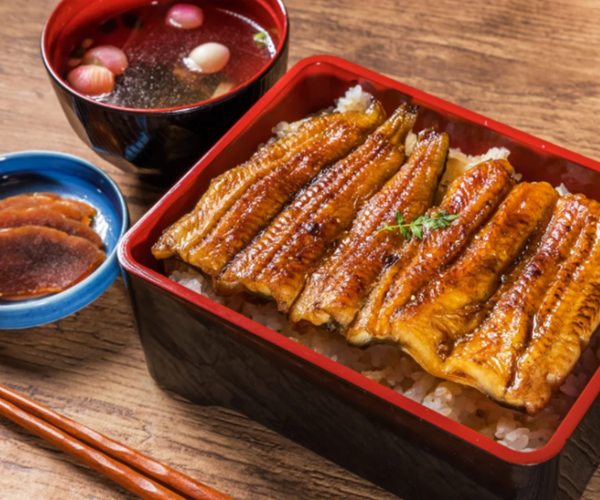
- The Fix: Have a small bowl of quality eel sauce (unagi tare) on hand. You can brush a little extra on the eel before rolling or use it for drizzling over the top of the finished unagi rolls.
Mastering unagi rolls is a rewarding skill. By focusing on a solid foundation of well-prepared rice and nori, and by applying careful, consistent pressure during assembly, you can create professional-quality rolls at home that are as beautiful as they are delicious.
For foodservice businesses and importers seeking a reliable supply of high-quality frozen unagi kabayaki that performs perfectly in every culinary application, contact our team to request a full product specification sheet and a quote.