

Make Unagi Fried Rice Without Burning the Sweet Glaze
One of the most common challenges in preparing a high-quality unagi fried rice is managing the heat. The sweet, savory glaze (tare) on kabayaki eel contains sugars that caramelize quickly and burn even faster in a hot wok. This creates a bitter, acrid flavor that ruins the delicate taste of the eel and the entire dish. The solution is not to lower the heat, which compromises the texture of the rice, but to change the sequence of your cooking process. This guide details the professional method for incorporating glazed eel perfectly every time.
As a quality specialist with over a decade in seafood exports, I've worked with chefs and food importers across Japan, the US, and the EU. A frequent topic is how to best handle our ready-to-heat products, like unagi kabayaki product, in a busy kitchen. The technique I'm sharing ensures the product's quality shines through, preventing costly mistakes and delivering a consistent customer experience.
Why Standard Fried Rice Methods Fail with Kabayaki Eel
In a typical fried rice recipe, all proteins and vegetables are stir-fried together with the rice. This method is efficient but disastrous for pre-glazed eel. The high, direct heat required to achieve "wok hei"—the signature smoky aroma of great fried rice—is far too intense for the delicate tare sauce.
The core problem lies in the sauce's composition. Our traditional eel sauce (unagi tare) is a rich blend of soy sauce, mirin, and sugar. When this glaze hits a wok surface at temperatures exceeding 170°C (338°F), the sugars rapidly progress past the delicious caramelization stage and into carbonization, which is just a technical term for burning. This creates bitter compounds and a sticky, blackened mess.
For foodservice professionals, this leads to inconsistent results, wasted product, and difficult cleanup. Here are the most common mistakes we see.
Common Cooking Errors and Their Consequences
- Mistake 1: Adding the eel too early. Tossing diced kabayaki eel in with the raw rice, egg, or early-stage vegetables exposes its glaze to prolonged, high heat. The result is a bitter flavor and scorched appearance.
- Mistake 2: Overcrowding the wok. Adding too many ingredients at once lowers the wok's temperature, causing the rice to steam instead of fry. In a desperate attempt to compensate, cooks turn up the heat, which then burns the first thing it contacts—the eel's sugary glaze.
- Mistake 3: Using too much extra sauce in the wok. Trying to create a saucier dish by adding extra eel sauce directly to the hot wok with the rice is a guaranteed way to burn it. The sauce should be used as a finishing element, not a primary cooking liquid.
- Mistake 4: Not preparing the eel properly. Using the eel straight from the freezer or refrigerator can cause it to release water, again lowering the wok temperature and creating a soggy, unevenly cooked dish. The eel should be gently heated separately before being added.
The Professional Technique: Adding Pre-Grilled Eel at the Final Stage
The correct method protects the eel's delicate texture and the complex flavor of its glaze. It involves preparing the fried rice base completely and then folding in the pre-warmed, grilled eel at the very end, just before serving. This ensures the eel is perfectly heated through without its sauce ever touching the scorching-hot wok surface for more than a few seconds.
This method maintains the integrity of the high-quality unagi kabayaki eel you've sourced. At Eelpro, our patented low-fat roasting and 4-layer soy-sauce coating process creates a perfectly balanced glaze. Burning it in the wok negates this careful preparation. Follow these steps to prevent that.
Step-by-Step Procedure for Perfect Unagi Fried Rice
This table breaks down the process, highlighting the critical checkpoints and reasons for each step. This method is used by our restaurant chain clients in Japan and Southeast Asia to ensure consistency and quality.
| Step | Action | Key Checkpoint & Rationale | Common Failure Reason |
|---|---|---|---|
| 1. Prepare the Eel | Thaw frozen unagi kabayaki. Cut into desired size (e.g., 1.5 cm cubes). Briefly heat under a broiler, in a toaster oven, or on a grill for 2-3 minutes until the glaze is bubbling and aromatic. | Checkpoint: Eel is hot and glaze is glossy, not burnt. Rationale: Pre-heating ensures the eel doesn't need to be "cooked" in the wok, only mixed in. This preserves its tender texture. |
Heating the eel for too long dries it out. Using a microwave makes it rubbery. |
| 2. Cook the Fried Rice Base | Heat your wok to high heat with oil. Scramble eggs, set aside. Sauté aromatics (garlic, ginger, scallion whites). Add day-old cold rice, breaking up clumps. Stir-fry until every grain is separate and heated. | Checkpoint: Rice grains are "jumping" in the wok. Rationale: High heat and constant motion create fluffy, non-sticky fried rice. The eel is NOT in the wok at this stage. |
Using fresh, warm rice results in a mushy texture. Not using enough heat steams the rice. |
| 3. Season the Rice | Add soy sauce, white pepper, and any other seasonings around the perimeter of the wok, not directly on the rice. Add back the egg and vegetables (e.g., peas, carrots). Toss to combine thoroughly. | Checkpoint: Seasoning sizzles and evaporates upon hitting the hot wok wall. Rationale: This technique evenly distributes flavor without making the rice wet. |
Pouring liquid seasoning directly onto the rice creates soggy clumps. |
| 4. Fold in the Eel (The Critical Step) | Turn off the heat. Add the pre-warmed, diced unagi and green scallion parts to the wok. Gently fold everything together with a spatula until just combined. | Checkpoint: The wok is off the flame. Rationale: The residual heat of the rice and wok is enough to warm the eel and meld the flavors without any risk of burning the glaze. |
Forgetting to turn off the heat. The hot metal will still scorch the sauce. |
| 5. Serve Immediately | Plate the unagi fried rice. If desired, drizzle a small amount of extra kabayaki sauce on top as a garnish. | Checkpoint: The dish is served hot from the wok. Rationale: Fried rice loses its texture and aroma as it cools. |
Letting the dish sit in the hot wok, where it will continue to cook and potentially burn. |
Sourcing Quality Eel for Consistent Foodservice Results
The success of any unagi dish begins long before it reaches the kitchen. For food importers, distributors, and restaurant chains, sourcing reliable, high-quality frozen eel is paramount. Inconsistent raw materials lead to unpredictable cooking times, variable flavors, and ultimately, dissatisfied customers. As an unagi kabayaki manufacturer and frozen eel supplier, we apply our export-grade standards to every batch.
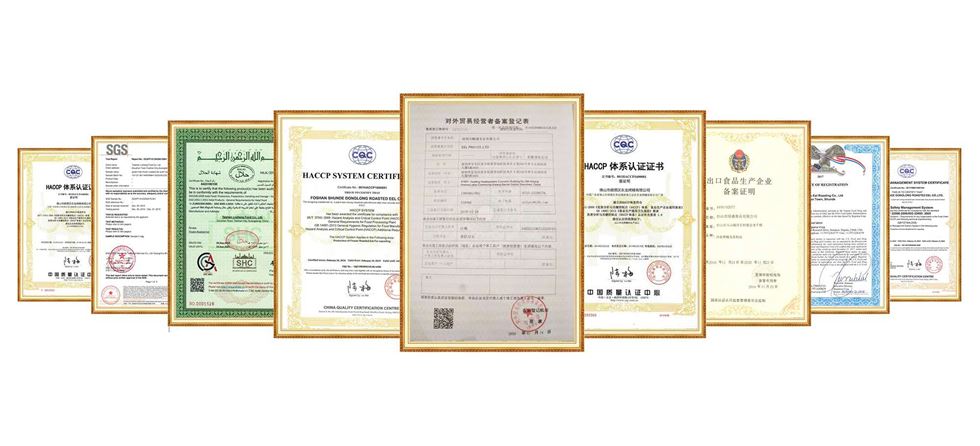
Our entire operation is built on full-chain traceability and control. This starts at our ~20 customs-registered eel farming bases, all managed to ensure high-quality raw materials. In our facility, which is certified under ISO 22000:2018 and HACCP principles, every step is monitored. Our own professional laboratory and metal detectors at critical control points ensure products meet the strict food inspection standards of Japan, the US, and the EU for veterinary drug residues and microbiological indicators. This helps our buyers avoid trade risks.
Buyer's Checklist for High-Quality Frozen Unagi Kabayaki
- Full Traceability: Can the supplier trace the product back to the specific farming base? We provide full traceability from our unagi eeel farm for Eelpro Co., Ltd to final shipment.
- Certifications: Does the facility hold internationally recognized food safety certifications? Look for ISO 22000, HACCP, and HALAL, all of which Eelpro maintains.
- Processing Technology: What is their roasting and saucing process? Our 4-layer coating process and patented low-fat roasting technology produce a tender eel with a glaze that adheres well and has a balanced flavor.
- Boneless and Standardized Cuts: Does the product reduce back-of-house labor? Our products are fully deboned and available in custom cuts (diced, shredded, slices), minimizing kitchen prep time and costs.
- Laboratory Testing: Does the supplier have in-house testing capabilities? Our on-site eel lab of Eelpro Co., Ltd verifies that each batch meets stringent export quality standards.
- Production Capacity: Can they handle your volume? With an annual capacity of 4,000 tons and a 1,000-ton cold storage facility, we support long-term supply contracts for clients in Germany, Poland, Australia, and across the world.
By following the right cooking technique and sourcing a product with verifiable quality, you can easily add a profitable and popular dish like unagi fried rice to your menu. The key is respecting the main ingredient and understanding how its properties interact with high-heat cooking.
For additional menu ideas, consider how unagi can be used in other popular dishes, such as in an eel sushi roll recipe: make unagi rolls or a comforting noodle soup.
To ensure your kitchen can produce consistent, high-quality eel dishes, start with a reliable supply chain. Contact us to discuss your specific product requirements or to request a sample of our frozen unagi kabayaki.