

Which Recipe Eel Format Is Best for Rice Bowls, Rolls, or Roasting?
Choosing the right eel format is a critical decision that impacts kitchen efficiency, cost, and the final taste of your dish. A foodservice operator planning a new unagi rice bowl faces a different set of challenges than a caterer developing an eel sushi platter. The wrong choice leads to wasted prep time and inconsistent quality, while the right one streamlines operations. This guide breaks down which recipe eel format—pre-grilled, fresh, or smoked—is best suited for specific culinary applications like rice bowls, sushi rolls, and direct roasting.
At Eelpro, we manage the entire supply chain, from our ~20 customs-registered eel farming bases to our ISO 22000:2018 certified processing facility. This control allows us to produce standardized, high-quality frozen unagi kabayaki that meets the stringent food safety standards of Japan, the US, and the EU. Our expertise helps clients select the ideal product for their menu needs.
Matching Eel Formats to Culinary Applications
The success of any recipe eel depends on starting with the correct product format. Each type offers distinct advantages in flavor, texture, and preparation requirements. For commercial kitchens, matching the format to the application is key to managing labor costs and ensuring a consistent customer experience. Below is a direct comparison to guide your procurement decisions.
| Eel Format | Best For | Kitchen Prep Time | Required Skill Level | Flavor Profile | Foodservice Suitability |
|---|---|---|---|---|---|
| Frozen Unagi Kabayaki (Pre-Grilled Fillets) | Unagi Donburi (Rice Bowls), Sushi Rolls (Unakyu Maki), Nigiri, Meal Prep Bowls | Low (5-10 minutes). Primarily reheating (steaming, broiling, or microwaving). No deboning or gutting required. | Beginner. Ideal for standardized menu items and kitchens with high staff turnover. | Sweet and savory, with a rich umami flavor from the kabayaki sauce. Tender, slightly firm texture. | Excellent. Reduces back-of-house labor, ensures consistency, and minimizes food waste. Perfect for quick-service restaurants and large-scale catering. |
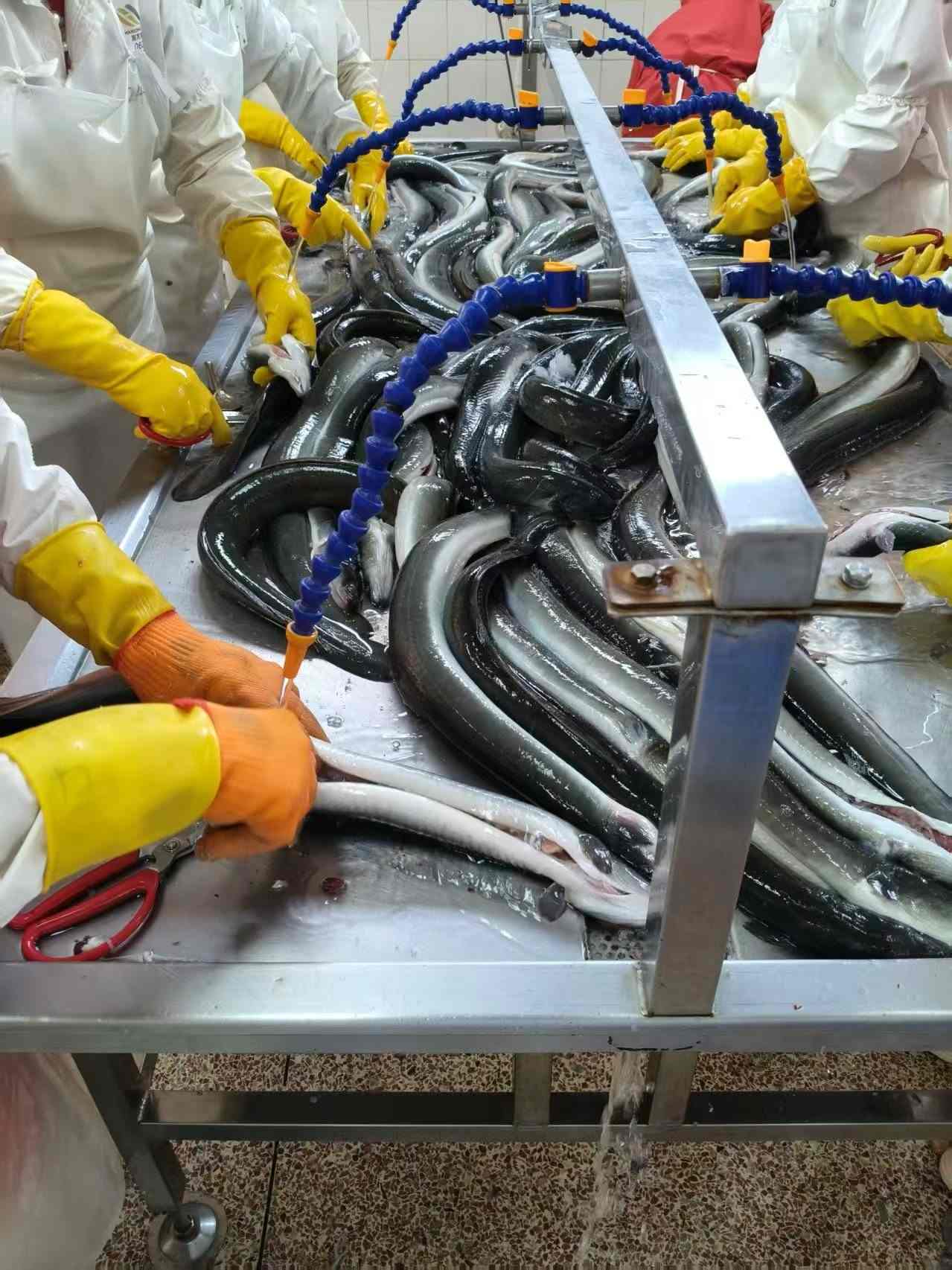
| Fresh Whole Eel (Live or Chilled) | Traditional Roasting (Shirayaki), Specialty Grilling, Custom Marinades, High-End Japanese Restaurants | High (45-60+ minutes). Requires skilled labor for dispatching, gutting, deboning, and skinning. | Expert. Demands specialized knife skills and cooking techniques to achieve the correct texture and flavor. | Subtle, clean, and delicate. The final flavor is entirely dependent on the chef's preparation and saucing. | Niche. Best for fine-dining establishments where "prepared from scratch" is a key selling point. High labor costs and potential for inconsistency make it less suitable for high-volume operations. |
| Smoked Eel | Appetizers, Salads, European-style Canapés, Pasta Dishes, Charcuterie Boards | Very Low (Ready-to-eat). Simply slice and serve. | Beginner. No cooking required. | Rich, smoky, and oily. The flavor is dominant and distinct from Japanese-style grilled eel. | Good for specific applications. A great addition to appetizer menus or deli counters but lacks the versatility of kabayaki for traditional Asian dishes. |
Sourcing Checklist for High-Volume Eel Procurement
Once you've identified the right format, the next step is vetting your supplier. For importers, distributors, and restaurant chains, consistent quality and safety are non-negotiable. An unreliable supply chain can lead to import rejections, stock shortages, and damage to your brand's reputation. Use this checklist to evaluate potential frozen eel suppliers.
- Verify International Certifications: Does the supplier hold globally recognized food safety certifications? Look for ISO 22000:2018 for food safety management and a HACCP system certification. For specific markets, certifications like HALAL are also essential. These are not just logos; they represent a commitment to systematic safety protocols.
- Assess Farm-to-Fork Traceability: Can the supplier trace the product back to its source? A vertically integrated supplier with their own customs-registered farming bases provides the highest level of control. At Eelpro, our system tracks eels from over 2,150 mu of certified farms through processing and shipment, ensuring full accountability. Our in-house eel lab conducts targeted sampling to verify compliance.
- Confirm Production Capacity and Lead Times: Can the facility handle your volume? With an annual capacity of 4,000 tons and two modern production lines, we can support large-scale orders for clients in Japan, Germany, and the United States. A typical lead time is approximately 30 days, but this is negotiable based on order specifics.
- Inquire About Customization and MOQs: Does the supplier offer flexibility? We provide custom cutting specifications (shredding, dicing, sushi slices) and differentiated MOQ policies for different client types. Whether you need skin-packaged fillets for retail or bulk boxes for foodservice, a good partner can adapt.
- Evaluate Cold Chain Management: How is product integrity maintained? Proper storage is vital for frozen seafood. Our 1,000-ton cold storage facility ensures that products are held at a stable temperature from production to container loading, preserving texture and quality.
Common Mistakes in Commercial Eel Preparation
Even with high-quality eel, preparation errors in a commercial kitchen can lead to a subpar product. Our quality assurance team, with over a decade of experience in seafood exports, frequently advises clients on best practices. Here are some common mistakes to avoid when working on a new recipe eel.
1. Mismatching Eel Type and Cooking Method
The most frequent error is using an eel format that's ill-suited for the dish. For example, trying to create a classic eel rice bowl with strongly flavored smoked eel will overwhelm the delicate balance of the rice and sauce. Similarly, using pre-cooked kabayaki in a recipe that requires raw eel for a specific texture will fail.
- Solution: Always refer back to the intended application. For classic Japanese dishes, our frozen unagi kabayaki is the industry standard for efficiency and authenticity.
2. Improper Thawing of Frozen Eel
Rushing the thawing process is a recipe for disaster. Thawing frozen eel in hot water or at room temperature can cause significant texture degradation, making the flesh mushy. It also creates a food safety risk by allowing the product to sit in the temperature "danger zone."
- Solution: The best method is to thaw frozen eel overnight in a refrigerator (at or below 40°F / 4°C). This slow, controlled process preserves the firm, flaky texture of the cooked product.

3. Overcooking Pre-Grilled Unagi Kabayaki
Our unagi kabayaki is already fully cooked through a precise roasting process. The goal in the kitchen is simply to reheat it to serving temperature. Overcooking by grilling, broiling, or pan-searing it for too long will dry out the eel, burn the delicate sauce, and make the texture tough.
- Solution: Reheat gently. Steaming for a few minutes, a quick pass under a broiler, or even a brief, covered heating in a microwave are all effective methods to warm the eel without compromising its quality.
The Technology Behind a Perfect Roast
The consistent quality of our roasted eel is not an accident. It is the result of patented technology and a meticulous, standardized process developed by our 25 technical and quality-control specialists. This ensures that every fillet we export offers the same exceptional taste and texture that our clients, from Japanese restaurant chains to US food importers, have come to expect.
Our export-grade roasting process involves four precise layers of soy sauce application. Each layer is applied at a different stage of the cooking process, with carefully controlled temperatures to build a deep, complex flavor profile. We have established internal color standards for both the initial 'white-roasted' stage and each subsequent soy-sauce coating, ensuring visual and taste consistency across every batch.
Furthermore, we utilize two key patented technologies:
- Low-Fat Roasted Eel Processing: This technique renders excess fat during the roasting process, resulting in a cleaner flavor and a more pleasant mouthfeel without drying out the eel.
- Deodorizing Equipment: This removes any residual "muddy" notes sometimes associated with freshwater fish, ensuring a pure, savory umami taste.
These processes, combined with our strict adherence to international food inspection standards for veterinary drug residues and microbiological indicators, help our buyers avoid trade risks and deliver a reliable, premium product to their end-customers.
For detailed specifications on our frozen unagi kabayaki cuts, packaging options, and flexible MOQ policies, please contact our export team to request a product catalog.