


Should You Use Pre-Grilled Eel for an Eel Sushi Roll?
You have the nori ready, the rice cooling, and cucumber on the board. Then comes the decision that changes the whole result: should the eel arrive already grilled, or should you cook it from scratch? For most home cooks planning an eel sushi roll, pre-grilled kabayaki is the more practical choice because it reduces preparation work while giving you a cooked, glazed filling that is easier to portion and roll.
That answer has limits. Pre-grilled eel is not automatically the best format for every menu. If you want full control over seasoning, texture, and the cooking method, starting with unseasoned eel may fit better. But it requires more skill, more preparation, and more attention to bone removal and cooking consistency.
The key is to choose based on the job the eel must do inside the roll. A roll needs a filling that stays tender, holds its shape, does not soak the rice, and brings enough flavor without making every bite overly sweet. Frozen kabayaki is designed for that kind of use when it is handled carefully.
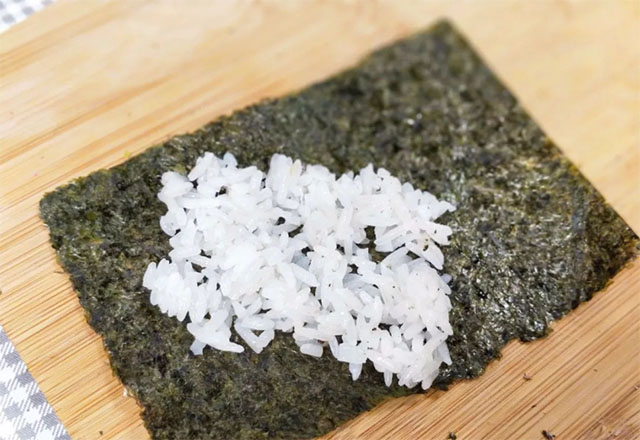
Choose the eel format based on what happens after it reaches the cutting board
Pre-grilled kabayaki is freshwater eel that has already been cooked and coated with a sweet-savory sauce. It is typically sold frozen, so your work begins with proper thawing and reheating rather than cleaning and cooking a raw fish. This changes the whole pace of sushi preparation.
A good starting point is simple: choose pre-grilled kabayaki when the eel is one component among rice, nori, vegetables, and sauce. Choose eel from scratch when the eel itself is the main cooking project and you want to manage each stage yourself.
| Buying option | What you control | Practical effect in rolls | Best fit | When it may not fit |
|---|---|---|---|---|
| Pre-grilled kabayaki | Reheating, final sauce amount, portion size, and roll assembly | Fast setup, cooked filling, familiar glazed flavor, less fish preparation | Sushi nights, restaurant prep, catering, and first-time unagi roll cooks | When you need a custom seasoning profile from the first cooking stage |
| Fresh or unseasoned eel | Cleaning, deboning, cooking, sauce, texture, and finish | Maximum customization, but much more preparation before rolling | Experienced cooks and chefs building a signature eel recipe | When time, fish-handling confidence, or suitable preparation space is limited |
| Pre-cut kabayaki pieces | Piece selection, arrangement, and final garnish | Useful for smaller rolls, nigiri-style toppings, and portion control | Foodservice teams with repeatable serving formats | When a long, continuous eel strip is needed for a dramatic roll cross-section |
The biggest misunderstanding is thinking that pre-grilled means “no preparation.” It means less raw-fish preparation, not zero care. You still need to prevent a wet surface, thick sauce buildup, or oversized pieces from weakening the roll.
For ingredient planning, frozen unagi kabayaki product formats are especially useful because the eel arrives as a cooked centerpiece rather than an unfinished task. For a cook making several rolls, that difference matters. Instead of dividing attention between fish preparation and rice handling, the cook can focus on balance and assembly.
Pre-grilled kabayaki versus cooking eel from scratch before rolling
This is the preparation-stage comparison that matters most. Both methods can produce enjoyable sushi, but their strengths are different. Texture, glaze control, and rolling workflow interact with one another. Ignore one, and the others become harder to manage.
| Preparation factor | Pre-grilled kabayaki | Cooking eel from scratch | What it changes in practice |
|---|---|---|---|
| Texture | Already cooked and softened through roasting; reheating aims to restore tenderness without drying the surface | Determined by the cook’s cleaning, heating method, timing, and finishing process | Pre-grilled eel offers a more predictable starting texture. From-scratch cooking gives more control but more room for tough, dry, or uneven results. |
| Glaze control | Usually includes a prepared kabayaki-style coating; extra sauce can be added only where needed | The cook builds the sauce profile from the beginning and decides when it contacts the eel | Pre-grilled eel can become too slick if extra sauce is used carelessly. Fresh eel can lack the expected kabayaki character if the glaze is poorly timed or unbalanced. |
| Rolling workflow | After thawing and gentle reheating, cut into strips and assemble | Clean, prepare, cook, cool enough for handling, glaze, portion, then assemble | Pre-grilled kabayaki keeps the rice-and-nori stage moving. Cooking from scratch adds more workflow points before the first roll is made. |
| Portion consistency | Standardized cuts can be selected before assembly | Depends on the raw eel’s shape, trimming, and cooking shrinkage | Pre-grilled formats are easier for repeatable home portions or foodservice builds. |
| Flavor adjustment | Best adjusted with small amounts of sauce, cucumber, avocado, sesame, or ginger | Built through seasoning and cooking decisions from the outset | Use pre-grilled eel when you want a known flavor base. Use fresh eel when a chef’s own glaze is the point of the dish. |
Texture and glaze should be judged together. A tender piece of eel can still make a poor roll if its surface is coated with too much sauce. The filling slides. Rice becomes wet. The nori loses its clean bite. In contrast, a lightly glazed strip with a dry-looking surface can sit securely against the rice and retain its shape after slicing.
Pre-grilled kabayaki works particularly well when you want the classic contrast of rich eel, clean sushi rice, crisp cucumber, and nori. It does not suit cooks who expect it to behave like plain grilled fish. Kabayaki already has seasoning. Treat the supplied glaze as part of the recipe, then adjust with restraint.
Eelpro uses an export-grade roasting process with four controlled soy-sauce coating layers and defined color standards from white-roasted eel through the first to fourth coating stages. That process matters to buyers because glaze is not just decoration: it influences surface moisture, color, aroma, and how the eel performs when reheated for rolls.
Build the roll around moisture control rather than adding more sauce
For sushi rolls, the most common failure is not under-seasoning. It is excess moisture. Rice, nori, cucumber, avocado, and glazed eel all contribute water or oil. Once those elements pile up, a roll can split under light pressure.
Use this step-by-step workflow when working with pre-grilled eel:
- Plan the filling before reheating. Decide whether the roll will include cucumber, avocado, or another soft ingredient. If using avocado, keep the eel portion modest because both fillings are rich.
- Prepare sushi rice first. Rice should be workable and lightly seasoned, not packed into a dense slab. Dense rice crushes tender eel during rolling.
- Thaw and reheat according to the product instructions. The goal is a warm, flexible strip, not a bubbling sauce layer or a dried edge.
- Blot only excess surface sauce. Do not strip away all glaze. Remove just enough to prevent slippery assembly.
- Cut the eel to match the roll direction. Long strips support a continuous filling line. Smaller pieces are better placed end to end than piled high.
- Place crisp ingredients beside the eel. Cucumber creates contrast and helps keep the filling from feeling heavy.
- Roll with even pressure. Compress enough to connect rice and nori, but do not press so hard that sauce pushes out at the seam.
- Slice with a clean, damp knife. Wipe the blade between cuts when sauce begins to collect.
This process fits home sushi nights and small foodservice prep because it separates the jobs: rice handling, eel preparation, and rolling. It may not be enough for a large commercial sushi line where the buyer also needs fixed portion sizes, packaging requirements, and batch specifications. In that case, discuss cutting format before ordering.
A separate finishing sauce can still be useful, but apply it after slicing or serve it alongside the roll. Eelpro offers eel sauce product page options for buyers who need unagi tare as a controlled finishing component rather than a heavy filling coating. For flavor troubleshooting, this kabayaki sauce article explains why sauce balance affects the final dish.
Use this buying checklist before selecting frozen kabayaki
Buying frozen eel for rolls is not only about choosing a package that looks appetizing. Ask questions tied to your actual menu and preparation method. The answers will tell you whether the product is suited to sushi assembly or better reserved for rice bowls and plated dishes.
- Ask whether the eel is boneless or deboned. For a sushi roll, a smooth bite matters. If the product specification does not clearly state bone treatment, request clarification before buying.
- Ask for the cut format. Strips, chunks, sushi slices, and three-section cuts behave differently in a roll. Select strips for a long filling line and smaller cuts for layered or topped presentations.
- Check the sauce level. A more heavily coated product may suit a rice bowl, while a roll often benefits from a surface that can be handled without slipping.
- Match the product to your menu style. Cucumber and pickled ginger can brighten a sweet kabayaki profile. Avocado creates a softer, richer result. Do not stack every rich ingredient into one roll.
- Confirm storage and shipment controls for business orders. Frozen seafood quality depends on maintaining the cold chain from dispatch through receiving.
- Request traceability and food-safety documentation when sourcing commercially. This is especially relevant for importers, distributors, and restaurant groups.
For import-focused buyers, supplier controls should be visible, not assumed. Eelpro holds ISO 22000:2018, HACCP, HALAL certification, export food producer registration, and an SC Food Production License. Its food-safety system includes an in-house laboratory and metal detectors at control points. HACCP is a preventive food-safety approach that identifies and manages hazards during production rather than relying only on final-product checks.
The company also works with approximately 20 customs-registered eel farming bases covering more than 2,150 mu, with traceability from farming registration through processing verification, sampling, and shipment tracking. For a restaurant group or importer, that chain of evidence matters more than an attractive package photo.

A practical roll scenario shows where pre-grilled eel saves effort
Picture a home cook preparing a sushi dinner with rolls as the main event. The menu includes nori, sushi rice, cucumber, avocado, sesame, and a few side dishes. The cook wants an unmistakable unagi flavor but does not want raw-fish cleaning to take over the evening.
Pre-grilled kabayaki is the sensible choice here. The cook can portion the warmed eel into strips, place it with cucumber for contrast, roll, slice, and use a small extra drizzle only after the pieces are plated. The outcome is easier to repeat because the eel has already completed its main cooking stage.
Now change the scenario. A chef is testing a house glaze with a less sweet profile and wants to compare grilled finishes across several batches. Pre-grilled kabayaki is less suitable because the starting product already carries a defined sauce character. Fresh or unseasoned eel gives that chef more control, though it adds preparation demands.
That is the real decision rule: buy pre-grilled eel for speed, predictable cooked texture, and simpler roll assembly. Start from scratch for full recipe development and cooking control.
For buyers requiring dependable supply beyond one dinner table, Eelpro operates two modern production lines for frozen roasted eel and deep-processed aquatic products, with annual finished-goods capacity of 4,000 tons and a 1,000-ton cold-storage facility. The company has supplied kabayaki eel to Japanese restaurant chains and exports unagi kabayaki and eel sauce to United States importers. Those are relevant examples for buyers assessing whether a supplier can support both product format and export-oriented quality requirements.
Avoid the mistakes that turn tender kabayaki into a messy roll
- Do not add sauce before you test the eel. Pre-grilled kabayaki already has glaze. Taste a small piece first, then decide whether the finished roll needs more.
- Do not use very hot eel directly on the nori. Excess heat can create steam and soften the nori before the roll is sliced.
- Do not overload the center. A thick eel layer, avocado, cucumber, and extra sauce can make the roll impossible to close neatly.
- Do not confuse a darker glaze with better flavor. Color reflects roasting and sauce application; it does not replace checking sweetness, salt balance, and surface stickiness.
- Do not choose a random cut format. A product intended for chunks or rice bowls may require extra trimming before it works as a roll filling.
- Do not treat food-safety documentation as optional for commercial buying. A restaurant chain, distributor, or importer should verify the supplier’s certificates, traceability process, and product specifications before confirming an order.
Cold fact: the sauce is often the reason a roll fails before the eel itself does. A modest glaze can make the eel glossy and flavorful. Too much glaze acts like lubricant between rice, filling, and nori.
When you want an easy starting build, compare your plan with this eel sushi roll recipe before selecting the eel cut and other fillings.
Request a product specification or sample to compare kabayaki cut formats for your next sushi menu.