


Finding a Reliable Substitute for Eel Sauce for Your Commercial Kitchen
Choosing a sauce for your menu involves more than just taste. For food importers, restaurant chains, and distributors, the decision between authentic unagi tare and a substitute for eel sauce hinges on application suitability, cost-per-unit, and supply chain reliability. An inconsistent substitute can ruin the texture of a premium sushi roll, while a poorly sourced one can introduce allergen risks or fail to meet import standards. This choice directly impacts your operational efficiency and brand reputation.
As a quality specialist who has guided clients in Japan, the United States, and the EU through import compliance, I've seen firsthand how sourcing decisions affect the final product. While a well-made substitute can work in certain contexts, understanding its limitations is essential. This guide outlines the key decision factors for B2B buyers, from matching sauce viscosity to specific menu items to avoiding common procurement pitfalls. We will explore when a substitute for eel sauce is practical and when only authentic, traceable sauce will do.
A B2B Buyer's Checklist for Evaluating Eel Sauce Alternatives
Before committing to a large volume of any eel sauce alternative, it's vital to assess it from a commercial and operational perspective. A sauce that tastes good in a lab test may not perform well under the pressures of a high-volume kitchen. Use this checklist to vet potential suppliers and products to protect your investment and ensure menu consistency.
This evaluation moves beyond simple flavor profiles to address the technical specifications that determine a sauce's performance in a professional foodservice environment.
| Evaluation Criterion | Why It Matters for B2B Buyers | Questions to Ask Your Supplier |
|---|---|---|
| Viscosity & Adhesion | Inconsistent thickness affects portion control, visual appeal, and how the sauce clings to ingredients like tempura or rice. A sauce that is too thin will run, while one that is too thick can overpower the dish and clog dispensers. | What is the product's viscosity measurement (e.g., in centipoise)? Does it maintain its consistency at room temperature and under heat lamps? |
| Heat Stability | Many dishes require the sauce to be brushed on before or during heating. A substitute with unstable sugars can burn easily, creating a bitter taste and ruining the dish. | Is this sauce formulated for "finishing" or can it withstand broiling/baking? What are its scorch-point characteristics? |
| Ingredient Traceability & Allergens | Undisclosed ingredients (e.g., non-soy-based proteins, certain preservatives) can pose significant risks for customers with allergies and create labeling compliance issues for export. | Can you provide a full ingredient declaration and certificate of analysis? Is your facility certified (e.g., ISO 22000, HACCP, HALAL) to manage allergen cross-contamination? |
| Microbiological Safety | Sauces, especially those with lower salt or sugar content, can be susceptible to spoilage. This is a critical food safety parameter, especially for products with a long shelf life. | What are the product's microbiological specifications (e.g., total plate count, yeast, mold)? What preservation methods are used? |
| Batch-to-Batch Consistency | For restaurant chains and food manufacturers, consistency is non-negotiable. Variations in color, flavor, or thickness between batches can lead to customer complaints and signal an unreliable supplier. | What quality control measures are in place to ensure consistency? Do you have an in-house laboratory for testing each production run? |
Matching the Sauce to the Application: A Practical Guide
Not all menu items require the complex, umami-rich profile of an authentic unagi tare. In some cases, a simpler, sweeter glaze is not only acceptable but preferable. The key is to match the sauce's characteristics to the fillings and preparation method of the dish. Using the wrong type of sauce can mask delicate flavors or fail to adhere properly.
Here is a breakdown of how to pair different sauces with common applications, helping you decide where a substitute for eel sauce can be used effectively and where the authentic product is necessary.
-
For Tempura & Fried Items
- The Challenge: The sauce needs to cling to a hot, crispy, and sometimes oily surface without making it soggy.
- Best Fit: A thicker, high-viscosity teriyaki-style glaze. The higher sugar content helps it adhere and creates a beautiful sheen. Its simple, sweet-and-salty profile complements the fried batter without competing with the filling (shrimp, vegetable, etc.).
- When It Fails: A thin, traditional soy glaze will run right off, pooling at the bottom of the plate and softening the tempura's texture.
-
For Cream Cheese & Avocado Rolls (e.g., Philadelphia Roll)
- The Challenge: The sauce must cut through the richness of the cream cheese and fat from the avocado without being overly heavy.
- Best Fit: A slightly thinner, well-balanced substitute for eel sauce with a noticeable salty note. A standard sweet teriyaki can make these already-rich rolls cloying. The goal is to add a savory counterpoint.
- When It Fails: A very thick, molasses-like sauce will sit like a heavy stripe on top, creating a sticky texture and overwhelming the creamy fillings.
-
For Cooked Fish Rolls (e.g., California Roll, Cooked Salmon)
- The Challenge: The sauce should enhance the mild flavor of cooked crab or salmon, not mask it.
- Best Fit: A versatile, mid-viscosity soy glaze. It provides the classic sweet-salty finish expected in these rolls. This is one of the most common and effective applications for a high-quality eel sauce alternative.
- When It Fails: An overly complex sauce with smoky or fermented notes can clash with the simple, clean taste of the cooked seafood.
-
For Unagi Kabayaki or Unagi Nigiri
- The Challenge: The sauce is not just a topping; it is a core component of the dish's identity. It must have the deep, savory umami that comes from a base containing real eel.
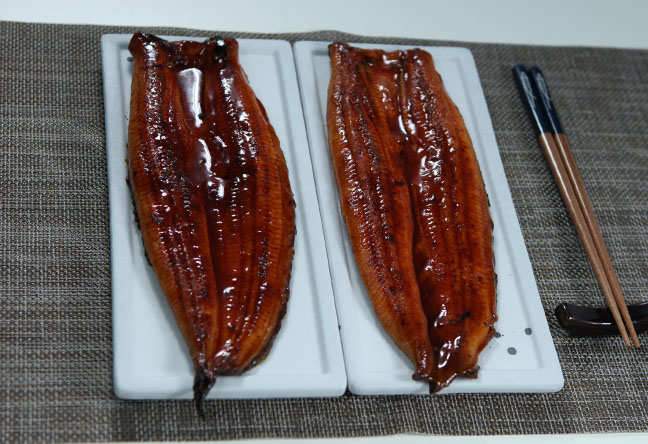
- Best Fit: No substitute is truly suitable. Authentic unagi tare, or kabayaki sauce, is essential. Its flavor is developed by simmering soy sauce, sugar, mirin, and a broth made from eel bones. This process creates a complexity that a simple soy-and-sugar mixture cannot replicate. Our sauce, for example, is built upon the same base used in our 4-layer eel roasting process.
- When It Fails: Using a generic substitute on premium grilled eel is a critical mistake. It cheapens the product, disappoints customers who expect the authentic taste, and wastes the potential of high-quality eel.
Common Sourcing Mistakes When Procuring Eel Sauce Substitutes
Sourcing a substitute for eel sauce purely based on price is a common but costly error. The "savings" from a cheaper product can be quickly erased by operational problems, customer complaints, or even a failed shipment inspection. As an ISO 22000 and HACCP certified manufacturer, we regularly help clients navigate these complexities. Here are the mistakes we see most often.
Mistake #1: Ignoring the Ingredient Origin
Many low-cost sauces use hydrolyzed vegetable protein instead of traditionally brewed soy sauce or use artificial sweeteners. This not only affects the flavor depth but can also introduce compliance issues in markets like the EU, which have strict regulations on food additives. Solution: Always request a full specification sheet and a Certificate of Analysis (COA). Partner with suppliers who can demonstrate full-chain traceability, similar to how we manage our 20 customs-registered eel farming bases.
Mistake #2: Overlooking Packaging and Logistics
A B2B buyer needs packaging that is durable, easy to store, and efficient for kitchen staff to use. Ordering bulk sauce in flimsy containers that are prone to leaking or are difficult to dispense from creates waste and slows down service. Solution: Discuss packaging options with your supplier. Do they offer formats suitable for your operation (e.g., bulk pails for manufacturing, smaller jugs for restaurant use)? Confirm that their logistics are supported by facilities like our 1,000-ton cold storage warehouse, ensuring the product is stored correctly before shipment.
Mistake #3: Failing to Test for Real-World Application
A sauce might taste great on its own but behave differently when applied to food. For example, does it break or separate when mixed with other ingredients? Does it thicken unpleasantly upon cooling? Solution: Request a sample and test it in your own kitchen on your actual menu items. Apply it to hot and cold dishes. See how it holds up after an hour under a heat lamp. This small step can prevent a large-scale procurement disaster.
While a substitute for eel sauce has its place, it cannot replicate the authentic flavor profile required for premium applications. For dishes where the sauce is central to the experience, an authentic, high-quality eel sauce made with traditional methods and traceable ingredients is the only way to guarantee customer satisfaction and protect your brand's quality standards.
Our process, backed by patented low-fat roasting and deodorizing technology, ensures every batch meets the exacting standards of our clients in Japan, Germany, and Australia. With a 4,000-ton annual production capacity, we provide the consistency and volume that global foodservice chains demand.
To ensure you're using the right sauce for the right application, contact our team to discuss your menu needs or request a specification sheet for our authentic Unagi Kabayaki Tare.