




How Do I Make Eel Sauce Without Mirin at Home
You are ready to brush a glossy sauce over warm rice or grilled eel, then discover the mirin bottle is empty. Do not abandon the dish. The answer to how do i make eel sauce without mirin is not simply adding extra sugar; it is balancing sweet, salty, roasted, and slightly rounded notes so the sauce still clings beautifully.
This guide explains how to make unagi sauce without mirin for sushi, rice bowls, noodles, grilled seafood, and Japanese-inspired home meals. It also gives foodservice buyers a practical way to assess whether a house-made sauce or ready-made unagi tare suits their menu.

Build the sauce around the flavor job that mirin usually does
Before asking how do i make eel sauce without mirin, identify what mirin contributes. It supplies sweetness, liquid volume, gentle aroma, and a rounded finish that softens the direct saltiness of soy sauce. A substitute needs to replace those functions, not merely imitate one flavor.
The most dependable starting point is soy sauce, sugar, and water. Heat them gently until the sugar dissolves and the mixture reduces into a shiny sweet soy glaze. This method fits cooks who want an alcohol-free sauce with familiar pantry ingredients. It does not fully suit a menu that needs the fermented aroma associated with traditional mirin-based tare.
A practical no-mirin base method
- Start with soy sauce as the savory foundation. Choose a soy sauce you already understand, because switching brands can change both saltiness and color. This suits home cooks and small kitchens. It does not suit a recipe that requires a reduced-sodium claim unless every ingredient supports that claim.
- Add sugar gradually. Sugar gives eel sauce its lacquered look and helps it adhere to food. Add it in small additions, tasting after it dissolves. This fits sushi rolls and grilled dishes. It is less suitable when the finished dish already contains sweet toppings, such as candied vegetables or sweet mayonnaise.
- Use water to control intensity. Water prevents the soy sauce from becoming too aggressive at the start and gives the sauce room to reduce. This is useful when the sauce will be simmered. It does not replace the aroma of mirin on its own.
- Simmer gently, then cool before judging thickness. A hot sauce often looks thinner than a cooled sauce. This approach fits a brush-on glaze. It does not apply if you need a pourable dipping sauce, which should be stopped earlier.
For anyone wondering how do i make eel sauce with a more rounded finish, add a very small amount of a mild fruit juice, such as apple or grape juice, while keeping soy sauce and sugar as the dominant flavors. The juice can replace some of mirin’s soft sweetness. Use this option for a family meal or a sauce intended for rice bowls. Avoid it if the juice flavor becomes noticeable; eel sauce should taste like a savory glaze, not fruit syrup.
A prepared sauce can also be the practical choice when repeatability matters more than kitchen experimentation. Eelpro Co., LTD supplies eel sauce products for buyers looking for unagi tare alongside frozen eel items.
Choose substitutes by what they change in the finished sauce
The best answer to how do i make eel sauce depends on whether your priority is sweetness, aroma, color, or thickness. Substitutions affect the plate in different ways. The table below explains the operating effect of each parameter and the problem created when it is handled poorly.
| Key parameter | What it affects in practice | Useful option when mirin is unavailable | What happens when it goes wrong |
|---|---|---|---|
| Sweetness | Balances soy sauce, supports browning, and gives the sauce its familiar sweet-savory profile. | White sugar, brown sugar, or a mild fruit juice used sparingly. | Too little sugar leaves a sharp salty finish. Too much creates a candy-like glaze that hides the eel or seafood. |
| Salt balance | Determines whether the sauce works as a brush-on glaze or overwhelms rice, noodles, and sushi. | Water to soften soy sauce, or a less salty soy sauce if that is the base available. | Too much soy sauce makes every bite taste harsh. Too much dilution produces a flat, watery sauce. |
| Acidity | Brightens sweetness and can prevent a heavy finish. | A small amount of rice vinegar or another mild vinegar. | Too much vinegar turns the glaze sour and moves it away from the classic unagi sauce profile. |
| Aroma | Creates the warm, rounded character that mirin normally brings. | Mild fruit juice or a small amount of cooking wine where appropriate for the dish and diner. | A strong substitute can become the main flavor, making the sauce taste like wine, juice, or vinegar instead of eel sauce. |
| Thickness | Controls whether the sauce coats grilled food, stays on sushi, or runs into the bottom of a bowl. | Gentle reduction or a small slurry of starch and water. | Over-reduction produces a sticky, overly salty coating. Too much starch makes the texture dull and gel-like. |
This technical breakdown matters because how do i make eel sauce is really a question about function. A sauce for sushi should be smooth and controlled so it does not soak the rice. A sauce for grilled eel can be thicker because it needs to stay on the surface during brushing. A noodle sauce should remain more fluid so it disperses through the bowl.
Use the right no-mirin substitute for the dish you are serving
Not every substitute belongs in every recipe. The options below make selection easier and prevent a familiar mistake: treating all sweet liquids as interchangeable.
| Substitute approach | Best use | Why it works | When not to use it |
|---|---|---|---|
| Sugar and water | Classic homemade sushi sauce, grilled eel, and rice bowls. | It gives direct sweetness without adding a competing flavor. | Avoid it if you specifically want a fragrant fermented note. |
| Brown sugar | Grilled dishes and darker sweet soy glaze applications. | It can add a deeper caramel-like note and richer color. | Avoid it for delicate white fish or pale sushi presentations where a dark glaze is unwanted. |
| Mild fruit juice | Alcohol-free sauces for family meals and rice bowls. | It contributes soft sweetness and a little aroma. | Avoid strongly flavored juices, which can make the sauce taste out of place. |
| Mild vinegar with sugar | Sauces that taste overly sweet or heavy after reduction. | It restores contrast in a small amount. | Avoid adding it early or heavily, because the finished sauce can become sour. |
| Prepared unagi tare | Restaurants, retailers, and caterers requiring consistent flavor across servings. | It removes variation caused by soy sauce brands, reduction levels, and staff tasting. | It is not the right choice when the menu concept requires a signature house-made recipe. |
People often ask, “what can I use instead of mirin in eel sauce?” The clearest answer is sugar and water for the basic function, with a restrained amount of mild juice or vinegar only when the sauce needs extra roundness or brightness. Do not use a random sweet condiment just because it is available. Honey, maple syrup, and molasses each have a strong identity. They may work in a fusion glaze, but they are not neutral eel sauce substitutes.
For a richer grilled eel meal, serve the sauce over unagi kabayaki products with plain rice. The rice gives you a reliable tasting surface: if the sauce tastes balanced on plain rice, it is likely ready for eel.
Control thickness without turning the glaze sticky
Another common question is how do I thicken homemade eel sauce. The preferred answer is reduction. Gentle simmering concentrates soy sauce, sugar, and aroma while giving the glaze a naturally glossy body. Stop when the sauce lightly coats a spoon and still flows freely. This suits brushing over grilled eel, salmon, tofu, mushrooms, or roasted vegetables. It does not suit a sauce that has already become very salty, because further reduction will intensify that problem.
If the sauce has the correct flavor but remains too loose, use a small starch slurry. Mix starch with cold water separately, then add it gradually to the warm sauce while stirring. This suits a quick rice-bowl glaze or a foodservice batch that needs adjustment without additional reduction. It does not suit cooks seeking the cleaner texture of a traditional reduced tare, and too much slurry creates a heavy, cloudy result.
Thickness check before you serve
- For sushi: the sauce should drizzle in a narrow line and remain on top of the rice rather than sink into it.
- For grilled eel: it should cling to the surface and leave a shiny coat after brushing.
- For noodles: it should spread through the dish without forming sticky clumps at the bottom.
- For dipping: it should flow easily from a spoon and should not set into a gel as it cools.
When testing how do i make eel sauce for a larger menu, do not taste it only from a spoon. Taste it with the actual food. Salt, fat, moisture, and serving temperature all change how sweet soy glaze is perceived.
Avoid the mistakes that make unagi sauce taste wrong
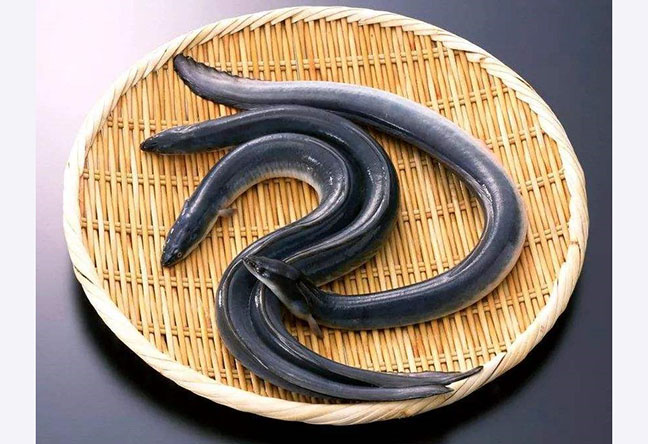
A useful kitchen fact: eel sauce does not need to contain eel to taste right with eel. Its job is to support the smoky, savory character of kabayaki rather than compete with it. This is why restraint matters.
- Adding all sweetness at once. The result can become cloying before you notice it. Add sweetness gradually and test it on rice. This is useful for all home batches; it may be less practical for a standardized commercial formula that has already been validated.
- Reducing before tasting the base. Reduction concentrates every error, especially salt. Taste the liquid before simmering. If it is already salty, add water and rebalance before continuing.
- Using high heat. Sugar can darken too quickly and leave a bitter edge. Gentle heat gives better control. This matters most for darker sugars and sauces cooked in thin pans.
- Overusing vinegar or fruit juice. A small adjustment can brighten the glaze; a large one changes the style completely. Stop when the sauce tastes less heavy, not when it tastes acidic.
- Choosing thickness before choosing use. A thick brush glaze is not automatically a better homemade sushi sauce. Decide whether the sauce is for sushi, bowls, noodles, or grilling before reducing it.
If how do i make eel sauce is part of a wider Japanese-inspired meal plan, pair the sauce with dishes that can handle its sweet-salty character. Grilled seafood, roasted eggplant, chicken skewers, tofu, and rice bowls all work well. For more dish ideas, explore these eel noodle recipes or this practical sauce mistake guide.
Answer common questions before making your next batch
How do I make eel sauce without mirin?
For how do i make eel sauce without mirin, combine soy sauce, sugar, and water, then simmer gently until the mixture becomes glossy and coats food. Use a small amount of mild juice for added roundness only if needed. This works for sushi, eel bowls, and grilled dishes. It does not reproduce every aromatic note of mirin-based sauce.
What can I use instead of mirin in eel sauce?
Use sugar and water as the most neutral replacement. Brown sugar gives a darker flavor, while mild juice can add softness. Select the substitute based on the dish, not convenience. A light sushi roll needs a restrained sauce; a grilled rice bowl can carry a deeper glaze.
How do I thicken homemade eel sauce?
Reduce it gently if the flavor can become more concentrated. Use a small starch slurry only when the flavor is already correct and the sauce needs body quickly. For how do i make eel sauce that stays glossy, add thickener slowly and stop as soon as the sauce clings.
Can I use this sauce beyond eel?
Yes. This sweet soy glaze works on grilled seafood, chicken, tofu, mushrooms, roasted vegetables, and rice bowls. The limit is balance: if the main ingredient has a delicate flavor, use a light brush rather than a heavy coating.
For foodservice buyers comparing a house recipe with ready-made sauce, request a quote for Eelpro’s eel sauce and discuss the intended application with our team.

 WhatsApp
 sales@chinaeels.com
 +8619937922411