





How to Build a Restaurant-Quality Eel Hamburger
An eel hamburger sounds simple, but executing it well is a challenge. Too often, the result is a soggy bun, an overly sweet flavor profile, and a structure that collapses after the first bite. The problem isn't the concept; it's the construction and the quality of the core ingredient. For restaurant chains and foodservice distributors, delivering a consistent, high-quality unagi burger requires a deep understanding of how each component interacts, starting with the eel itself.
As a food safety and quality specialist, I've worked with dozens of overseas clients in Japan, the United States, and the EU to ensure their imported seafood meets exacting standards. That same precision applies to product application. A successful eel hamburger depends on a stable foundation: a perfectly cooked, boneless unagi kabayaki eel fillet that holds its texture and flavor without overpowering the other ingredients. This guide breaks down the process of building a structurally sound and balanced burger, from selecting the right eel to the final assembly.
Choosing the Right Unagi Fillet for Your Burger
The foundation of any great eel hamburger is the eel. Not all frozen unagi kabayaki is suitable for this application. For a burger, you need a fillet that is thick enough to provide a satisfying bite, fully deboned for a premium customer experience, and glazed with a sauce that caramelizes well without burning. When sourcing for foodservice, consistency is everything.
At Eelpro, our process is designed for this consistency. We use a patented low-fat roasting and deodorizing technology combined with a precise 4-layer soy-sauce coating process. This creates a rich, savory glaze that adheres perfectly to the eel, preventing the sauce from soaking the bun. Our products are ready-to-heat, which drastically reduces back-of-house prep time and ensures every burger served meets the same quality standard.
For buyers evaluating suppliers, here is a checklist to ensure you source the right product for your menu.
Buyer's Checklist for Sourcing Burger-Ready Unagi Kabayaki
- Bone Status: Is the product guaranteed boneless/deboned? Pin bones are a significant quality failure and customer complaint risk. Our fillets undergo rigorous checks to ensure a completely boneless product.
- Fillet Integrity: Does the fillet hold its shape after heating? Poorly handled or processed eel can flake apart. Our quick-freezing process and quality control maintain the fillet's structure.
- Sauce Viscosity: Is the kabayaki sauce thick enough to cling to the eel? A thin, watery sauce will create a soggy mess. Our Kabayaki sauce is formulated for ideal viscosity.
- Standardized Cuts: Can the supplier provide standardized cuts or portion sizes? Offering custom cutting (shredding, dicing, chunk-cutting) allows for menu versatility beyond just a whole-fillet burger.
- Traceability: Can the supplier trace the raw material back to the farm? We provide full-chain traceability from our ~20 customs-registered eel farming bases, a critical requirement for markets like the EU and Japan. Our in-house eel lab verifies compliance at every stage.
The Art of Stacking: Layering an Eel Hamburger for Stability and Flavor
The biggest failure point for an eel hamburger is structural collapse. The combination of rich sauce, warm eel, and moist slaw can quickly turn a premium sandwich into a mess. Proper layering is not just about aesthetics; it's a functional necessity that creates barriers against moisture and ensures a balanced bite every time. The goal is to separate wet ingredients from the bread and balance textures.
Follow this specific layering order to build a burger that holds together from the first bite to the last. Each step serves a distinct purpose in managing moisture, texture, and flavor distribution.
| Step & Layer | Action & Rationale | Common Failure to Avoid |
|---|---|---|
| 1. Toasted Bottom Bun | Toast the inside of the bun until golden brown. This creates a crisp, less-porous surface that acts as the first line of defense against moisture. A firm brioche or potato bun works best. | Using a soft, untoasted bun. It will act like a sponge and become soggy almost immediately. |
| 2. Sauce Barrier | Apply a thin layer of a high-viscosity condiment like Japanese mayonnaise or a thick cream cheese spread on the toasted bottom bun. This fat-based layer creates an effective waterproof barrier. | Applying the eel sauce directly to the bun. Its high sugar and water content will quickly saturate the bread. |
| 3. The Unagi Kabayaki | Place the warm, glazed unagi kabayaki fillet directly on top of the sauce barrier. Ensure the fillet is heated according to specifications to be tender but not steaming hot, which accelerates sogginess. | Placing wet slaw or vegetables under the eel. The weight and heat of the eel will press moisture out of the slaw and into the bottom bun. |
| 4. The Crisp Slaw | Pile the crisp, acidic slaw on top of the eel. The slaw should be lightly dressed. A vinegar-based dressing is better than a creamy one, as its acidity cuts through the richness of the unagi. | Using an overdressed, watery slaw. Drain excess liquid from the slaw before adding it to the burger. |
| 5. Final Sauce Drizzle | Drizzle a small amount of extra unagi tare over the slaw, not the bun. This keeps the intense flavor close to the top, where it hits the palate first, without compromising the bun's integrity. | Soaking the top bun in sauce. The top bun should remain relatively dry to provide structural stability. |
| 6. Toasted Top Bun | Place the toasted top bun on the slaw to complete the burger. The dry, toasted surface sits against the slaw without absorbing much moisture. | Pressing down too hard. This can squeeze out the fillings and break the structure you've carefully built. |
Achieving Flavor Balance with Sauces and Sides
A common mistake with an eel hamburger is making it one-dimensionally sweet. The rich, sweet-and-savory kabayaki glaze is delicious, but it needs contrasting elements to create a truly memorable flavor profile. The key is to introduce acidity and fresh textures.
The slaw is the most important counterpoint. Avoid heavy, mayonnaise-based coleslaws. Instead, opt for a slaw with a sharp, acidic dressing. A simple mix of shredded cabbage, carrots, and a dressing made from rice vinegar, a pinch of sugar, and a dash of sesame oil works perfectly. The acidity cuts through the fat of the eel, cleansing the palate and making each bite feel fresh.
Pickled elements also work exceptionally well. Thinly sliced pickled ginger (gari), pickled daikon radish, or even quick-pickled red onions can add a bright, sharp note that complements the deep umami of the eel. These components should be used sparingly to avoid overpowering the main ingredient.

Sourcing from a Certified and Traceable Supplier
For foodservice businesses in Germany, Poland, Australia, and across Southeast Asia, food safety and supply chain reliability are non-negotiable. Serving an eel hamburger requires a partner who can guarantee product safety, consistency, and compliance with international standards.
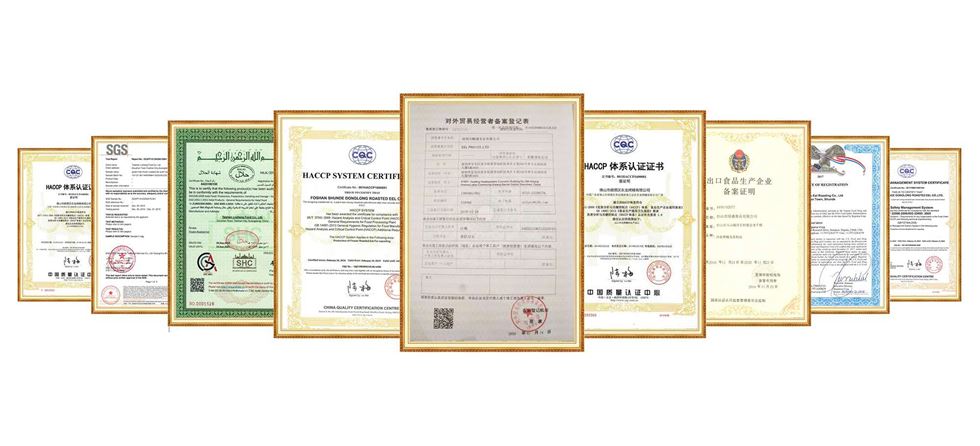
Eelpro operates an ISO 22000:2018 and HACCP certified facility, holding an Export Food Producer Registration Certificate and HALAL certification. Our entire operation, from the 19 self-operated and cooperative farming bases to our two modern production lines, is designed for export compliance. We meet the strict veterinary drug residue and microbiological indicator standards required by Japan, the US, and the European Union, helping our clients avoid trade risks.
Our infrastructure supports large-scale supply chains. With an annual production capacity of 4,000 tons and a 1,000-ton cold storage facility, we can manage large, regular orders for restaurant chains and wholesale importers. The typical delivery time is approximately 30 days from order confirmation, with negotiable MOQs based on product specifications. By providing standardized, ready-to-heat frozen eel supplier products, we help our partners reduce labor costs and ensure a consistent, delicious eel hamburger is served to their customers every time.
For importers and distributors, partnering with a vertically integrated supplier like us means having full visibility and control over the product, from farm to final shipment. This is the assurance your business needs to confidently add unique items like an unagi burger to your offerings.
To learn more about our custom cutting specifications or to discuss the requirements for your market, please contact our team for a detailed quote and product specification sheet.
 WhatsApp
 sales@chinaeels.com
 +8619937922411