





Why Recipe Eel Turns Rubbery and How to Fix Heat and Timing
Your eel looked glossy when it entered the pan, then came out dry, tight, and oddly bouncy. That disappointing texture is usually not a seasoning problem. A recipe eel problem is more often caused by too much direct heat, too long in the pan, or reheating without enough moisture.
Eel is rich and naturally tender when handled gently. But it has a narrow comfort zone. A few extra minutes over a hot grill, under a broiler, or in a dry air fryer can turn soft flesh into something that pulls apart like rubber. The good news is that most chewy recipe eel results are easy to diagnose once you know what to inspect first.
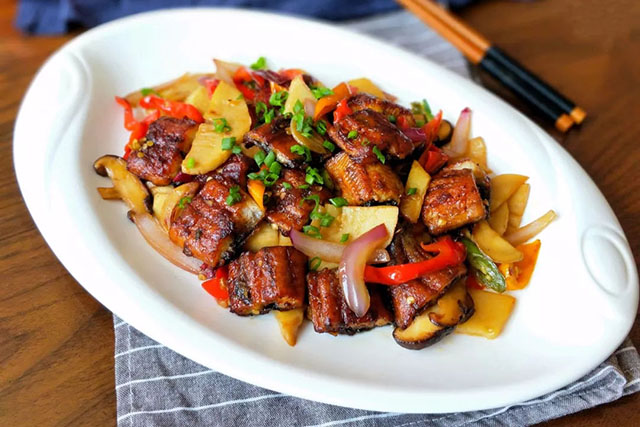
Start With the Texture Symptom Before Changing Your Recipe Eel Method
Conclusion: Identify where the toughness appears before lowering heat or adding more sauce. The location of the problem tells you whether the issue is overcooking, moisture loss, frozen storage damage, or uneven heating. This approach fits roasted, fried, grilled, and reheated eel. It does not replace safe handling practices for raw freshwater eel, which needs a different cooking process from ready-cooked kabayaki.
A tender piece should flake with gentle pressure. The surface may have a light caramelized finish, but the center should remain moist rather than fibrous. When a recipe eel dish goes wrong, use the checklist below before trying to rescue it.
| What You Notice | Likely Cause | What to Check First | Best Immediate Fix |
|---|---|---|---|
| Dry edges but a soft center | Direct heat was too strong | Pan, grill, broiler, or air-fryer exposure | Reduce direct heat and cover briefly with sauce or steam |
| Chewy throughout the fillet | Held hot too long | Time after the eel was already heated through | Shorten the finishing stage; heat only until warm and glazed |
| Tight, stringy layers | Protein tightening from excessive heat | Repeated turning, pressing, or prolonged frying | Use gentle reheating and avoid pressing the flesh |
| Dry patches after thawing | Surface dehydration or uneven thawing | Uncovered thawing or freezer damage | Thaw protected from moving air; reheat with a little sauce |
| Burnt sauce and tough flesh | Sugary glaze applied too early | Whether sauce went on before heating was controlled | Warm eel first, then brush sauce near the end |
A common mistake is assuming that a darker glaze means better flavor. It does not. On a recipe eel plate, dark sauce can hide a dry surface for a moment, but it cannot restore moisture inside the fish.
Understand the Heat Boundary That Makes Eel Chewy
Conclusion: Eel becomes rubbery when it remains under strong heat after its flesh has already warmed and tightened. The key boundary is not a single universal number because fillet thickness, starting temperature, moisture, equipment type, and whether the eel is raw or fully cooked all change the result. For ready-cooked kabayaki, the goal is reheating and glazing, not cooking it again.
The texture change comes from protein denaturation. As fish proteins heat, they firm up. Continued heating pushes out moisture and pulls the muscle structure tighter. With eel, that shift can be especially noticeable because its rich fat content initially makes it feel forgiving. Then the heat catches up. The flesh suddenly turns dense, dry, and springy.
For a home recipe eel method, judge the boundary by appearance and feel rather than chasing an invented “perfect” temperature. Eelpro uses temperature-controlled roasting steps and defined color standards for white-roasted eel and each of its four soy-sauce coating stages, but exact factory settings should not be copied blindly in a household pan. Industrial equipment, product size, and packaging conditions are different.
Use These Holding-Time Boundaries Instead of Guessing
- Stop when the eel is hot and pliable: Once the flesh bends easily and flakes under light pressure, move to glazing or serving. This fits ready-cooked frozen kabayaki. It does not apply to raw eel, which must be fully cooked using an appropriate food-safety method.
- Do not keep it over heat “just in case”: Extra holding time does not make pre-cooked eel safer or better. It mainly dries the surface and tightens the meat.
- Do not reheat, cool, and reheat again: Multiple heating cycles are a frequent cause of tough recipe eel. Prepare only the portion you expect to serve.
- Glaze near the finish: Sugary unagi tare can darken quickly. Add it after the eel is warm, then give it only enough heat to cling and shine.
- Rest briefly off the heat: This lets the glaze settle without exposing the fish to more direct heat. It is useful for grilled or pan-finished kabayaki, not for keeping food waiting on a hot tray.
Cold fact: Many cooks blame the freezer when eel turns chewy. Freezing is not automatically the problem. More often, the problem is treating frozen, ready-cooked eel as though it were raw fish that needs a long cooking session. A quality frozen recipe eel portion needs controlled warming, not aggressive roasting.
Follow This Diagnosis Order When Your Eel Is Tough
Conclusion: Check heat source first, then holding time, then sauce timing, and finally the product format. This order saves food because the first two causes account for many avoidable texture failures. It is useful whether you use a skillet, oven, grill, air fryer, or steam method. It will not correct a fillet that was already severely dried out before you received it.
- Check whether the eel was raw or ready-cooked. Frozen unagi kabayaki is already roasted and sauced. It should be warmed gently. Raw freshwater eel requires a separate preparation plan, including safe cooking and careful handling.
- Check for direct dry heat. If the eel sat on a bare hot pan, close to a broiler element, or in an air fryer without moisture protection, the surface likely dried first. For the next recipe eel attempt, use a lined pan, moderate heat, or a covered warming method.
- Check how long it stayed hot after warming. If you waited for a deeper char, reheated while preparing rice, or left it in the appliance to “keep warm,” that holding period likely tightened the flesh.
- Check when sauce was added. Burnt glaze points to early sauce application. Warm the eel, brush sauce later, and use only a short final finish.
- Check whether the fillet was pressed or repeatedly flipped. Pressing forces juices out. Repeated flipping tears soft layers and creates uneven hot spots. Turn only when necessary.
- Check the cut format. Sushi slices, strips, chunks, and full fillets warm at different speeds. Smaller pieces need less exposure. A method that works for a whole fillet may overcook diced recipe eel.
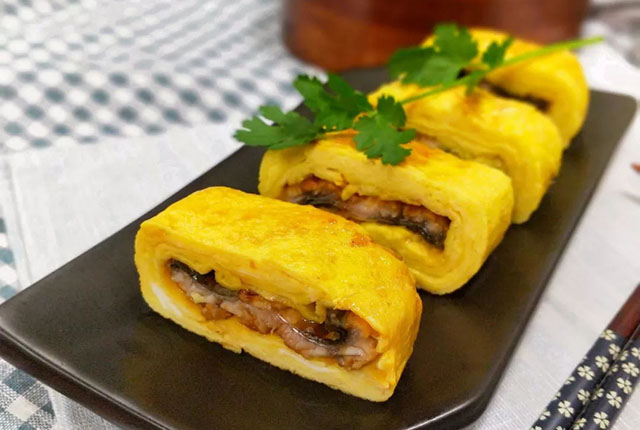
Choose the Reheating Method That Matches Your Recipe Eel Format
Conclusion: Use moist or shielded heat when tenderness is the priority, and reserve dry finishing heat for a short final glaze. This works best for frozen kabayaki and other cooked eel products. It does not mean every dish must be steamed; a crisp finish is still possible if it comes after gentle warming.
| Method | Best For | Why It Helps | Limit or Watch-Out |
|---|---|---|---|
| Covered pan | Fillets and cut pieces | Traps moisture while warming the center | Too much liquid can dilute the glaze |
| Foil-covered oven dish | Several portions served together | Protects the surface from dry oven air | Remove the cover only for a short finishing stage |
| Steam warming | Dry-looking or thawed eel | Adds humidity and softens the surface | Finish with sauce afterward to rebuild shine |
| Grill or broiler finish | Caramelized kabayaki appearance | Gives aroma and light char | Use only after the eel is already warm |
| Air fryer | Small portions needing surface color | Fast finishing heat | Easy to overdo; do not use it as a long reheating stage |
For a simple recipe eel rice bowl, warm the fillet under cover first. Then brush with sauce and finish briefly until glossy. Slice after heating rather than before if you want the interior to retain more moisture. For rice bowl ideas that make the eel the center of the plate without overworking it, see these eel rice bowl toppings.
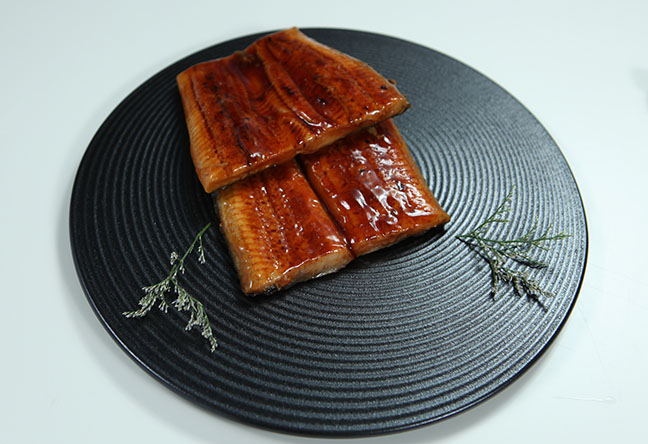
If you want a stronger grilled profile, use a prepared kabayaki product rather than trying to create the entire roasted texture from a dry pan. Learn more about unagi kabayaki formats suitable for quick finishing and foodservice use.
Avoid the Mistakes That Dry Out Recipe Eel Before Serving
Conclusion: Preventing moisture loss is easier than repairing it. Covering the fish while warming, adding glaze later, and serving promptly are the three most useful habits. These steps fit home kitchens and restaurant pass-through service alike. They cannot fully restore eel that has been burned, held under a heat lamp for too long, or repeatedly reheated.
- Mistake: Starting with a smoking-hot pan. This creates surface damage before the middle has warmed. Use gentler heat and allow the fillet to warm more evenly.
- Mistake: Cooking from frozen in a dry appliance. The outside can become hard while the center remains cold. Thaw according to product instructions when possible, or use protected, moist heat for gradual warming.
- Mistake: Drowning the eel in sauce early. Sauce may burn before the fish is warm. Use a thin later brush of eel sauce for a clean lacquered finish.
- Mistake: Cutting tiny pieces before reheating. Small pieces lose moisture fast. Warm larger portions first when the dish format allows it.
- Mistake: Treating chewiness with more heat. More heat usually makes the problem worse. Remove the eel, add a light coating of sauce, cover briefly off heat, and serve.
- Mistake: Ignoring product style. White-roasted eel, kabayaki, sushi cuts, and shredded eel need different finishing methods. Match the heat treatment to the cut and sauce level.
Use Product Choice and Sauce Control to Protect Tenderness
Conclusion: Choose a product that fits the final dish instead of forcing one format through an unsuitable cooking method. Ready-to-heat kabayaki is the practical choice for bowls, sushi, and quick plated dishes. White-roasted or less-sauced products may suit kitchens that want to control seasoning. The right choice depends on your menu and equipment, not on one universal recipe.
Eelpro produces frozen roasted eel and deep-processed aquatic products on two modern production lines with annual finished-goods capacity of 4,000 tons. Our processing includes a four-layer soy-sauce coating process, as well as patented low-fat roasting and deodorizing technology. For buyers, that means a recipe eel program can be specified around fillet style, cut format, and packaging needs rather than relying on one generic product.
For example, a café serving eel rice bowls may prefer full or portioned kabayaki that can be warmed under cover and glazed to order. A sushi counter may require controlled slices that need almost no additional heat. A caterer may need deboned eel or standardized pieces to reduce back-of-house preparation. None of these formats should be held over dry heat for extended periods.
Eelpro supports traceability through approximately 20 customs-registered eel farming bases covering more than 2,150 mu, with control from farming registration through process verification and shipment tracking. The company is certified to ISO 22000:2018, HACCP, and HALAL requirements, with an in-house laboratory and metal detectors at critical control points. These are supply and quality-control strengths, not a substitute for correct cooking once a recipe eel product reaches the kitchen.
When the flavor is right but the glaze seems too thick, bitter, or flat, adjust the sauce before increasing heat. This guide on kabayaki sauce recipe mistakes can help you correct the finish without drying the eel further.
Make a Better Recovery Plan for a Chewy Recipe Eel Dish
Conclusion: Slightly tough eel can still be used well in a sauced bowl, noodle topping, or mixed rice dish, but badly dry eel should not be pushed through more heat. Add moisture, use smaller portions, and pair it with a soft base. This recovery approach works for mild dryness. It will not make burnt or severely rubbery eel taste freshly cooked.
Slice mildly chewy recipe eel across the grain into smaller pieces. Spoon a small amount of warm sauce over it, cover briefly, and serve over hot rice. The steam from the rice helps soften the surface while the sauce adds shine. Avoid returning it to a dry grill.
Another good rescue option is noodle soup. Add the eel at the final stage rather than simmering it in the broth. The broth should warm the slices gently, while the noodles and aromatics carry the dish. For serving ideas, see how to cook eel noodle soup.
The best rule is simple: warm first, glaze late, and stop early. That small change keeps recipe eel tender, glossy, and worthy of the plate.
Request a product specification or sample guidance from Eelpro to match the right eel format to your cooking method.
 WhatsApp
 sales@chinaeels.com
 +8619937922411