

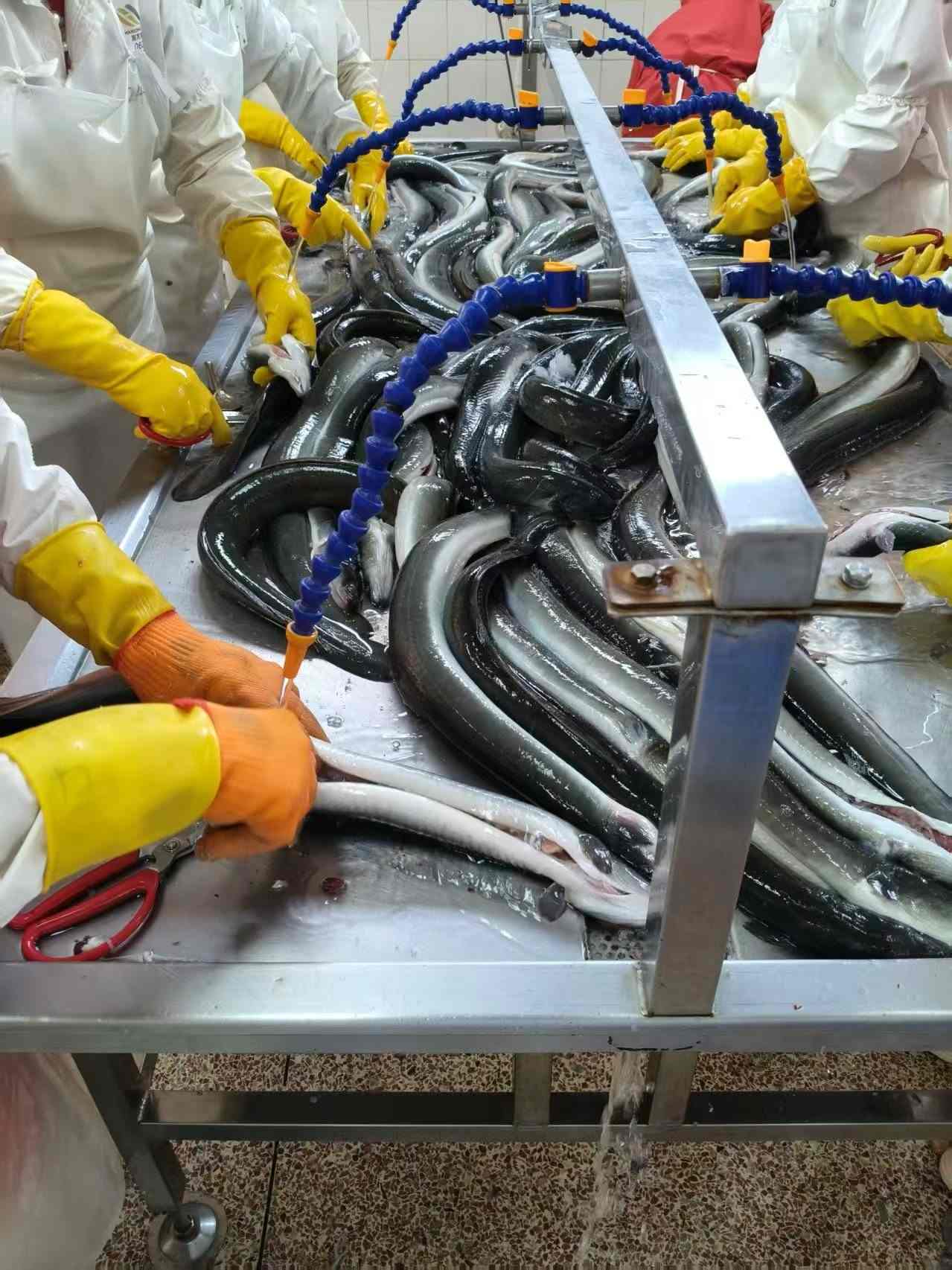
How to Fix Dry Broiled Eel Without Losing Crispy Skin
One of the most common quality issues in a commercial kitchen is serving pre-cooked broiled eel that has become dry or tough during reheating. The goal is simple: a succulent, tender interior with a perfectly crisp, caramelized skin. Yet, achieving this consistency across hundreds of servings is a challenge. The problem often isn't the chef's final preparation but a combination of reheating technique and the initial quality of the frozen product. As a food safety and quality specialist, I've helped our clients in Japan, the US, and the EU troubleshoot this exact issue.
The solution lies in understanding the thermal dynamics at play and knowing what to look for in a supplier. A high-quality frozen unagi kabayaki product is engineered to withstand reheating, but only if the correct parameters are respected. This guide provides a diagnostic framework for your kitchen team and outlines the critical supplier specifications that prevent these problems from happening in the first place.
Understanding the Reheating Challenge: Fat, Moisture, and Glaze
Pre-cooked broiled eel, or unagi kabayaki, is a delicate balance of cooked protein, rendered fat, moisture, and a sugary soy-based glaze (tare). When you reheat it, you are reactivating these components. The primary goal is to warm the fillet through without overcooking the protein, which causes moisture loss and toughness. The secondary goal is to crisp the skin and caramelize the glaze without burning it.
Several factors influence this outcome:
- Fat Content and Distribution: High-quality eel has a good distribution of intramuscular fat. This fat renders during reheating, basting the flesh from within and keeping it moist. At Eelpro, our patented low-fat roasting technology is designed to preserve this essential fat, preventing the eel from becoming greasy during initial processing or dry during reheating.
- Initial Cooking and Glazing Process: How the eel is first cooked matters immensely. Our process involves a precise four-layer application of soy sauce at controlled temperatures. This builds a stable, protective glaze that doesn't just add flavor but also shields the meat from excessive heat, reducing moisture loss when it's reheated in your kitchen.
- Freezing and Cold Chain Integrity: The quality of the freeze is paramount. Slow freezing creates large ice crystals that puncture cell walls, leading to significant moisture loss upon thawing. Our 1,000-ton cold storage facility and strict cold-chain logistics ensure our unagi kabayaki product is rapidly frozen and maintained at stable temperatures, preserving its cellular structure and final texture.
When reheating fails, it's typically because the heat is too aggressive, too slow, or the product itself lacked the structural integrity to begin with. The next section provides a systematic way to diagnose the issue.
Troubleshooting Dryness vs. Crispiness: A Diagnostic Guide
When your kitchen staff reports that the broiled eel is coming out dry, use this diagnostic checklist to identify the root cause. The key is to observe the relationship between the heat source, distance, and time. This is the heat-distance boundary where thin pre-cooked fillets can quickly go from perfect to ruined.
Here is a step-by-step troubleshooting framework for your team to follow.
Step-by-Step Diagnostic Checklist
- Assess the Final Product: What is the exact problem? Use the table below to match the symptom to its likely cause.
- Review the Reheating Method: Are you using a salamander, broiler, convection oven, or pan? Each requires different settings.
- Check Thawing Procedure: Was the eel reheated from frozen or a fully thawed state? Reheating from frozen requires lower initial heat to prevent the exterior from burning before the inside is warm.
- Evaluate Glaze Application: Is an extra layer of eel sauce being applied before or during reheating? This can protect the flesh but may inhibit skin crisping if applied too heavily or too early.
Use the following table to pinpoint the specific failure mode and its corresponding solution.
| Symptom | Likely Cause | Corrective Action | When This Fix Applies |
|---|---|---|---|
| Dry, tough flesh with pale, soft skin | Heat is too low and/or too far away. The eel is slowly baking and dehydrating instead of quickly searing. | Increase the heat source's temperature and/or reduce the distance between the heat and the eel. The goal is a quick, intense heat. | Applies to broilers, salamanders, or high-temperature convection ovens where radiant heat is the primary cooking method. |
| Dry, curled edges with a nicely glazed center | Uneven heat distribution. The edges are cooking much faster than the thicker center part of the fillet. | Move the fillet to a different part of the oven/broiler. For future batches, consider placing fillets closer together to protect the edges. | Common in convection ovens with strong fan spots or on grills/broilers with "hot spots". |
| Burnt, bitter skin with a cold or undercooked center | Heat is too high and/or too close. The surface is incinerated before the heat can penetrate the fillet. | Lower the temperature and increase the distance from the heat source. If reheating from frozen, consider a partial thaw first. | A classic mistake with powerful overhead broilers or salamanders, especially with thick-cut eel. |
| Moist flesh but soggy, unappealing skin | Excess moisture or sauce. Either the eel wasn't patted dry, or too much finishing sauce was applied before crisping. | Ensure the eel is thawed and surface moisture is minimal. Apply the final glaze in the last 30-60 seconds of reheating, just long enough to caramelize. | Relevant for all reheating methods. The final glaze should be a quick, high-heat step. |
Supplier Quality: The Foundation of Consistent Results
While kitchen technique is vital, no amount of skill can rescue a fundamentally flawed product. As a buyer for a restaurant chain, importer, or distributor, your most powerful tool for guaranteeing consistency is choosing a supplier with verifiable process controls. The quality of the broiled eel you serve starts long before it reaches your kitchen—it starts at the farm.
Our clients in Germany, Poland, and Australia rely on us because our production system is designed to mitigate the very reheating issues discussed above. We build quality into the product at every stage, from farming to final packaging. This is assured through our comprehensive HACCP and ISO 22000:2018 certified food safety management system.
Buyer's Checklist for a Reliable Eel Supplier
- Full-Chain Traceability: Can the supplier trace each batch back to the source? We manage approximately 20 customs-registered eel farming bases. This complete control, from our unagi eel farm to processing and shipment, ensures a consistent supply of high-quality raw materials with the right fat content and texture.
- Advanced Processing Technology: What specific techniques do they use to ensure product stability? Our patented deodorizing equipment and low-fat roasting process are engineered to produce a clean-tasting, succulent product. The 4-layer glazing standard creates a durable coating that protects the eel during freezing and reheating.
- Verifiable Certifications: Do they hold internationally recognized certifications? Eelpro is ISO 22000:2018, HACCP, and HALAL certified. Our products meet the stringent food inspection standards for veterinary drug residues and microbiological indicators required by Japan, the US, and the EU, helping you avoid import risks.
- In-House Quality Control: Does the supplier have dedicated quality infrastructure? Our team includes 25 technical and quality-control specialists. With an in-house professional eel lab and metal detectors at critical control points, we actively monitor and verify product safety and quality throughout the production process.
- Production Capacity and Logistics: Can they handle your volume and ensure product integrity during shipping? With an annual capacity of 4,000 tons and a 1,000-ton cold storage facility, we provide a stable supply chain for our partners, from large foodservice chains in Southeast Asia to importers in the United States.
Ultimately, the best way to fix dry broiled eel is to start with a product designed for superior performance. A reliable supplier provides a consistent foundation, allowing your culinary team to focus on presentation and service rather than troubleshooting basic quality issues.
For detailed product specifications or to request a sample for your own kitchen testing, please contact our export team.