

Whats Unagi Sauce and How Is It Made for Commercial Use
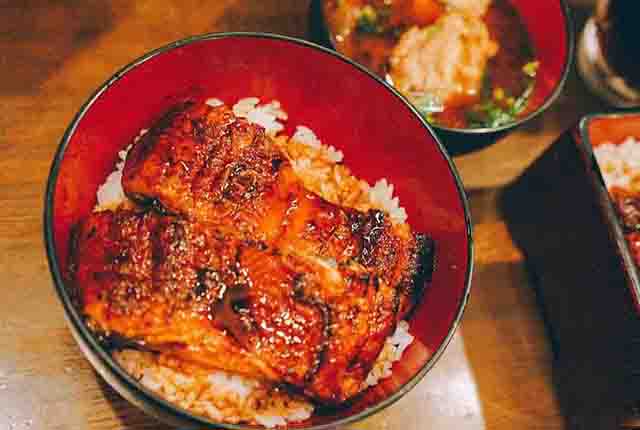
For any food importer or restaurant chain, understanding the core components of a signature flavor is critical. So, what is unagi sauce, also known as unagi no tare? It’s a thick, sweetened soy sauce-based glaze essential in Japanese cuisine, most famously brushed over grilled eel (unagi). The quality of this sauce directly impacts the final product's taste, appearance, and customer appeal. A poorly made sauce can be overly salty or fail to adhere to the protein, diminishing the value of the main ingredient.
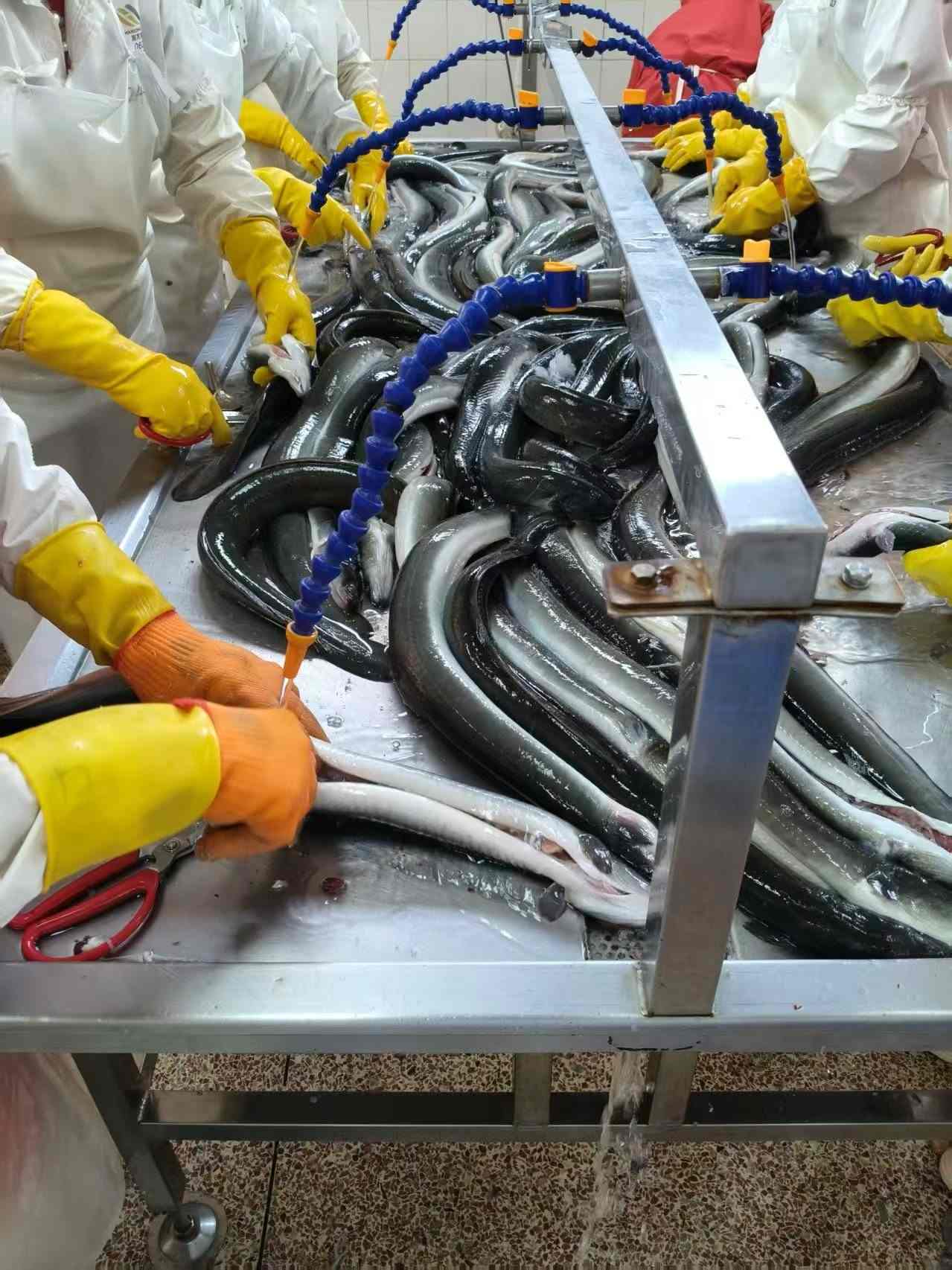
At Eelpro, we produce thousands of tons of this sauce annually, not just for our own unagi kabayaki product, but as a standalone product for global foodservice clients. As a specialist in food safety and quality, I've seen firsthand how precise ingredient control and process management are necessary to create a consistent, high-quality glaze that meets international standards. It's more than just a recipe; it's a controlled manufacturing process designed for stability, safety, and superior performance in commercial kitchens.
The Core Components: Balancing Sweet, Savory, and Umami
The classic unagi sauce flavor profile comes from a careful balance of four primary ingredients. For B2B buyers, understanding the role of each component helps in specifying a product that meets your menu's needs. The ratio and quality of these ingredients determine the final viscosity, color, and taste. Here’s a breakdown of how they work together to create the perfect glaze for eel, sushi, grilled fish, and rice bowls.
| Ingredient | Function in the Sauce | Application & Flavor Impact |
|---|---|---|
| Soy Sauce (Shoyu) | Provides the savory, umami base and the deep, rich color. It's the foundational flavor of the entire sauce. | Acts as the primary salting agent. The quality of the soy sauce (e.g., naturally brewed vs. chemically hydrolyzed) significantly affects the complexity of the final taste. It delivers the core flavor for grilled fish and eel. |
| Mirin | A type of sweet Japanese rice wine that adds a mild sweetness, a distinct umami depth, and a glossy sheen. Its alcohol content helps mellow any fishy notes. | Crucial for creating the signature luster on kabayaki eel and other grilled items. The sugars in mirin caramelize during cooking, creating a beautiful finish that enhances visual appeal in sushi presentations. |
| Sugar | Adds sweetness to counterbalance the saltiness of the soy sauce. It also acts as a thickening agent as the sauce reduces, helping it cling to food. | The amount of sugar dictates the sauce's final viscosity and sweetness level. A higher sugar content creates a thicker glaze ideal for rice bowls (donburi), ensuring the sauce doesn't just soak in but coats the ingredients. |
| Sake | Another Japanese rice wine, sake adds complexity and a subtle aroma. Like mirin, its alcohol content helps to tenderize the protein and neutralize strong odors from seafood. | While its flavor is more subtle than mirin's, sake contributes to the overall depth of the sauce. It's particularly useful in marinades or glazes for various grilled seafood beyond just eel. |
Production at Scale: How We Ensure Consistency for Global Supply
Transitioning a traditional recipe to a 4,000-ton annual production capacity requires stringent process controls. For our clients in Japan, the US, and the European Union, batch-to-batch consistency isn't just a preference—it's a supply chain necessity. A restaurant chain in Germany needs the unagi kabayaki served in Hamburg to taste identical to the one in Munich. This is where our ISO 22000:2018 and HACCP systems become critical.
Our process is built around preventing common commercial production failures, such as inconsistent viscosity, flavor drift, or microbial contamination. We achieve this through a standardized, documented procedure backed by our 25-person quality control team and in-house laboratory.
A Step-by-Step Look at Our Commercial Sauce Production:
- Step 1: Raw Material Verification. Every batch of soy sauce, mirin, sake, and sugar is tested upon arrival against our quality specifications. We verify supplier certificates of analysis and conduct our own checks for parameters like salinity and sugar content.
- Step 2: Automated Dosing and Mixing. Ingredients are measured and mixed in industrial-grade, stainless-steel tanks according to precise, pre-programmed recipes. This eliminates the human error common in smaller-scale production.
- Step 3: Controlled Heating and Reduction. The mixture is heated to a specific temperature and held there to allow flavors to meld and the sauce to reduce. This critical control point is monitored continuously to achieve the target viscosity and Brix (sugar content) level.
- Step 4: Hot-Filling and Sealing. The sauce is packaged while still hot into sanitized containers (bottles, pails, or totes) and immediately sealed. This process minimizes the risk of airborne contamination.
- Step 5: Quality Control Checks. Samples from every production run are sent to our in-house laboratory for final analysis. We test for viscosity, pH, microbial indicators, and flavor profile against a golden standard sample. No batch is released for shipment until it passes all tests.
- Step 6: Traceability Labeling. Each container is labeled with a unique batch code, allowing full traceability back to the specific raw materials used and the production date. This is essential for our export food producer registration and for clients' internal tracking.
This systematic approach ensures that every drop of our eel sauce delivers the same performance, whether it's used in our own facility for our 4-layer kabayaki coating process or shipped in bulk to a foodservice distributor in Australia.
A Buyer's Checklist for Sourcing Commercial Unagi Sauce
When sourcing unagi sauce for your business, not all products are created equal. Using the wrong sauce can lead to poor plate presentation, inconsistent flavor, and even import compliance issues. Before placing an order, evaluate potential suppliers against these key criteria. This checklist helps you avoid common pitfalls and ensure you receive a product fit for professional use.
Decision Checklist for Food Importers and Distributors:
- ☐ Ingredient Transparency and Quality: Does the supplier clearly state the main ingredients? Do they use naturally brewed soy sauce and real mirin, or do they rely on artificial flavorings and corn syrup? Ask for a specification sheet that details the composition.
- ☐ Food Safety Certifications: Is the facility certified under a recognized food safety management system? Look for ISO 22000:2018 and HACCP. For specific markets, certifications like HALAL may be required. These are not just logos; they represent a commitment to systematic safety controls.
- ☐ Viscosity and Application Performance: Does the sauce have the right thickness to cling to eel and other proteins during grilling without burning too quickly? A good supplier can provide a viscosity range (measured in centipoise) and may offer different formulations for glazing vs. drizzling.
- ☐ Export Compliance and Track Record: Can the supplier provide documentation showing their products meet the food inspection standards of your target market (e.g., Japan, US, EU)? This includes compliance with limits on veterinary drug residues and microbiological indicators. Ask for examples of their export experience, such as our long-term supply to Japanese restaurant chains and US food importers.
- ☐ Production Capacity and Lead Time: Can the supplier handle your volume requirements? Our 4,000-ton annual capacity and 1,000-ton cold storage facility ensure we can fulfill large, consistent orders. Clarify the standard lead time—ours is approximately 30 days from confirmation to shipment, but this is negotiable.
- ☐ Packaging and Logistics: Is the sauce available in foodservice-friendly packaging (e.g., bulk totes, pails) to minimize waste and cost? Does the supplier have experience with cold-chain logistics to ensure product integrity during transit?
By using this checklist, you can vet suppliers more effectively and reduce the risk of sourcing a product that fails to meet your commercial standards. This diligence protects your brand and ensures a consistent experience for your end customers.
Beyond Eel: Versatile Applications for Your Product Line
While "eel sauce" is its common name, its application extends far beyond unagi. The sweet and savory flavor profile makes it a highly versatile ingredient in any professional kitchen, allowing for menu innovation without adding dozens of new SKUs. Its ability to create an attractive, caramelized glaze makes it suitable for a wide range of proteins and vegetables.
Many of our clients in Southeast Asia and Australia use our unagi tare as a multi-purpose finishing sauce. Here are a few proven applications:
- Grilled Chicken and Pork: Use it as a direct substitute for teriyaki sauce to glaze grilled chicken skewers (yakitori) or pork belly. Its thickness helps it adhere well over open flames.
- Seafood Glaze: Brush it onto grilled salmon, scallops, or shrimp during the last few minutes of cooking for a glossy, flavorful finish.
- Burger and Sandwich Drizzle: A small amount adds a powerful umami kick to fusion-style burgers, particularly those with pork or chicken patties.
- Vegetable Dishes: It's an excellent glaze for roasted or grilled vegetables like asparagus, eggplant, and mushrooms, adding a depth of flavor that complements their natural taste. Our guide to eel teriyaki shows just how versatile this glaze can be.
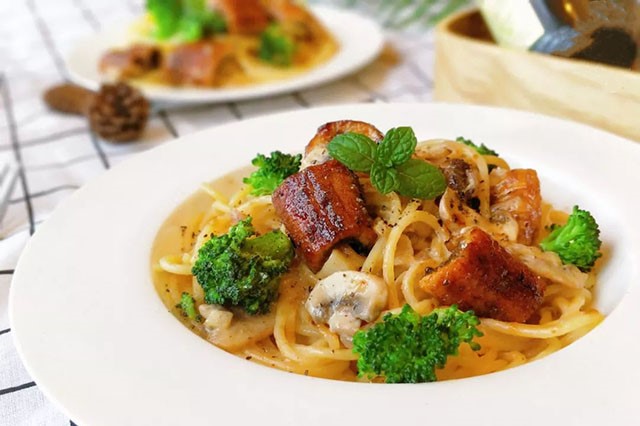
- Rice and Noodle Bowl Base: Mix it directly into rice or noodles, or use it as the flavor base for donburi bowls, saving chefs valuable prep time.
By marketing it as a "Japanese sweet soy glaze" or "kabayaki sauce," you can expand its appeal to a broader customer base looking for authentic, easy-to-use flavor solutions.
For importers and distributors, a high-quality unagi sauce is more than a condiment; it's a versatile ingredient that can support multiple menu items. With our certified production process and reliable capacity, we can provide a consistent, safe, and delicious product to support your business needs.
If you require a specific viscosity or flavor profile for your product line, contact our team to discuss your specifications and request a product sample.