

Make a Comforting Unagi Recipe with Leftover Kabayaki Chazuke
Your leftover kabayaki does not need another heavy rice bowl. This unagi recipe turns sweet glazed eel into chazuke: toasted rice, tender eel, and a pour of hot broth that wakes up every bite.
It is the kind of meal that fits a quiet lunch, a late supper, or the day after a family-style Japanese dinner. The glaze remains present, but it no longer dominates. Instead, the warm broth carries its soy-sweet aroma through the bowl.
Chazuke works especially well when the kabayaki has already been grilled and glazed. You do not need to start from raw freshwater eel or build a new sauce from scratch. Use prepared unagi kabayaki product, save a portion after the first meal, and give it a completely different character the next day.
Choose the Right Leftover Kabayaki Before You Make Chazuke
The best starting point for this unagi recipe is kabayaki that still has a glossy glaze, a clean roasted aroma, and flesh that holds together when lifted. Chazuke adds liquid, so overly broken eel can disappear into the rice before the bowl reaches the table.
Use refrigerated leftovers that have been stored according to the product label and your local food-handling practice. If the eel smells unusual, has a dry surface, or has been held outside suitable storage conditions, do not use it for a second serving. Broth can soften texture, but it cannot correct poor ingredient quality.
| Leftover Condition | Best Decision | Why It Works | When It Does Not Apply |
|---|---|---|---|
| Glossy kabayaki fillet with glaze intact | Cut into bite-sized pieces and warm gently | The glaze seasons the broth naturally | Not ideal if the glaze is burnt or bitter |
| Large, clean kabayaki pieces | Place on rice as the final topping | The eel remains the visual center of the bowl | Not suitable for diners who prefer evenly mixed bites |
| Small broken pieces | Scatter over rice before adding broth | Smaller pieces distribute flavor through each spoonful | Not ideal for a plated restaurant presentation |
| Very sweet or heavily glazed kabayaki | Use less extra tare and add more aromatic toppings | Balance matters more than adding sauce | Do not add extra sweet sauce automatically |
For home cooks, one leftover fillet can become a satisfying light meal when paired with rice and broth. For foodservice teams, chazuke is useful as a second menu format for prepared kabayaki, especially when a guest wants something warming but less rich than a full donburi.
A practical rule is simple: let the eel provide the sweet-savory base, and let the broth provide lift. If both are heavy, the bowl becomes flat.
Use Hot Dashi and Toasted Rice Without Diluting the Kabayaki Flavor
This is the defining action in the unagi recipe: use dashi that is hot and toasted rice that is dry on the surface to turn leftover glazed kabayaki into a lighter bowl without washing away its flavor.
The conclusion is clear. Toasted rice and hot dashi are better than soft, freshly steamed rice for this specific dish. Toasting gives the grains a faint nutty aroma and a firmer surface. That surface absorbs broth gradually rather than collapsing at once. The kabayaki glaze stays noticeable instead of becoming thin and watery.
This method fits leftover eel with a pronounced soy-based glaze. It does not fit rice that is already wet, gummy, or heavily seasoned with vinegar. Sushi rice, for example, brings its own acidity and sweetness, which can compete with the broth and kabayaki.
Step-by-step method for a lighter eel bowl
- Separate the leftover kabayaki from any excess sauce. Keep a small amount of glaze on the fish, but do not pour every remaining drop into the bowl. The reason is balance: the broth will carry seasoning across the rice.
- Toast plain cooked rice in a dry pan. Stir gently until the grains feel drier on the outside and smell lightly nutty. Use moderate heat rather than aggressive heat. Rice can scorch quickly, and burnt grains will make the broth taste harsh.
- Warm the kabayaki gently. The goal is tender flesh and a revived roasted aroma, not a new hard crust. If the eel is heated too forcefully, the glaze can darken too much and turn sticky.
- Place the toasted rice in a warmed bowl. Add the kabayaki on top or tuck smaller pieces into the rice. Keeping some eel above the rice preserves its glossy appearance.
- Add aromatic toppings before the broth. Choose scallion, shredded nori, sesame, wasabi, or a small amount of Japanese pickles. Each should support the eel, not cover it.
- Pour piping-hot dashi around the rice, not directly onto the eel first. This is the key checkpoint. Pouring around the side keeps the glaze on the eel longer while allowing the rice to drink in the broth.
- Eat promptly. Chazuke is at its best when there is contrast: crisp-edged rice, tender fish, fragrant broth, and fresh toppings.
For a richer bowl, place a small dab of eel sauce product page on the rice before adding broth. For a lighter bowl, skip added tare and rely on the glaze already on the eel. The richer choice suits diners who want a stronger kabayaki profile. The lighter choice suits lunch menus, smaller evening portions, or customers who find standard eel rice bowls too sweet.
Build the Bowl in Layers So Every Spoonful Tastes Balanced
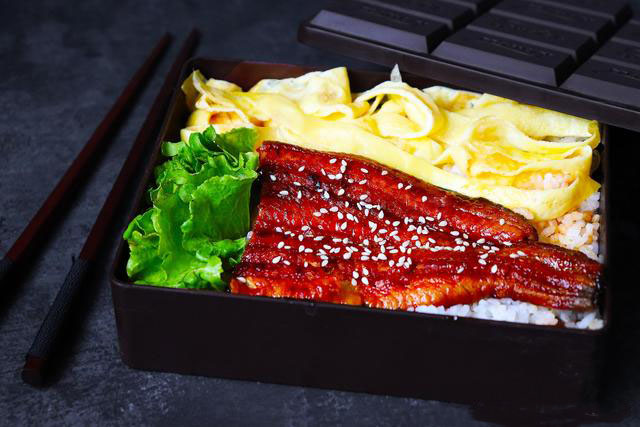
A successful unagi recipe is not just eel plus broth. Layering controls how much sweetness, salt, aroma, and texture arrive in each bite. Start with plain rice, add kabayaki, then use toppings with a purpose.
| Component | Role in the Bowl | Best Use | Limit to Remember |
|---|---|---|---|
| Toasted rice | Adds aroma and holds broth | Use plain cooked rice with a dry surface | Do not use wet or overcooked rice |
| Leftover kabayaki | Provides roasted, sweet-savory depth | Use pieces with glaze still attached | Do not overload the bowl with sauce |
| Hot dashi | Lightens the dish and carries aroma | Pour around the bowl edge | Too much broth can mute the eel |
| Shredded nori | Adds marine fragrance | Scatter at the last moment | Too much can dominate mild broth |
| Wasabi | Adds sharpness and contrast | Use a small amount on the side | Too much hides the eel's roasted character |
| Scallion or mitsuba-style herbs | Add freshness | Add just before serving | Do not cook them into the broth |
Here is a useful cold fact: kabayaki chazuke is often better when the rice is not buried under eel. A full covering may look generous, but it makes the bowl taste like a diluted donburi after broth is added. Leaving part of the rice exposed gives diners different bites: rice with broth, rice with toppings, and rice with eel.
This arrangement is also practical for chefs. One prepared kabayaki item can support more than one serving style without changing the central ingredient. A standard rice bowl can highlight glaze and portion presence. Chazuke can highlight aroma, warmth, and a lighter finish. For more serving ideas, see these eel bowl topping ideas.
Avoid the Common Mistakes That Make Chazuke Watery or Overly Sweet
The most frequent problem with this unagi recipe is not the eel. It is the ratio between broth, rice, and glaze. Small decisions change the result quickly.
- Mistake: using cold or barely warm broth. The bowl loses aroma and can taste heavy. Use broth that is clearly hot when it reaches the rice. This suits freshly assembled bowls; it does not mean reheating the same bowl repeatedly.
- Mistake: pouring broth directly over the glazed surface. This can strip glaze from the eel too quickly. Pour around the edge first, then let the broth rise naturally through the rice.
- Mistake: adding extra tare before tasting. Leftover kabayaki already contains seasoning. Taste a small piece first. Add sauce only if the eel is mild or the broth is especially plain.
- Mistake: skipping the rice-toasting step. Untoasted rice can turn soft very fast. Toasting is most useful when using leftover cooked rice. It is less necessary when rice has just been made and is naturally separate-grained.
- Mistake: using too many toppings. Pick one fresh element, one aromatic element, and one sharp accent. A crowded bowl can hide the roasted eel flavor.
- Mistake: serving after the rice has soaked too long. Chazuke is designed for immediate eating. Assemble close to service, especially in a restaurant setting.
If your kabayaki is especially rich, choose nori and scallion rather than more sesame and tare. If it is lightly glazed, a little extra sauce can help. This is why a finished bowl should be adjusted by tasting the eel first, not by following one fixed sauce rule.
Plan Leftover Kabayaki for Home Meals and Foodservice Menus
This unagi recipe works best when leftovers are planned, not treated as an afterthought. Home cooks can reserve a clean portion of kabayaki before serving the first meal. Foodservice teams can prepare a separate held portion according to their kitchen controls, then offer chazuke as a distinct format rather than a recycled plate.
For home use, kabayaki chazuke fits a meal plan where the first serving is a classic eel rice bowl and the second serving is broth-based. The same product feels different because the format changes. If you need another easy preparation direction, these easy eel cooking methods can help compare serving options.
For chefs, the dish fits lunch specials, late-evening menus, and smaller portions where a guest asks for warmth without a heavy plate. It does not replace a full kabayaki donburi when visual portion size is the main purchase driver. It is a separate offer with its own appeal: fragrant broth, a lighter finish, and a smart use of prepared eel.
Ingredient sourcing checkpoints for prepared kabayaki
- Choose a supplier that can explain product format, cutting options, and packaging requirements.
- Confirm that the kabayaki glaze profile fits your intended broth service. A heavily sweetened glaze needs a cleaner dashi approach.
- Ask how the product is handled through cold storage and shipment, especially for export or multi-site foodservice distribution.
- For buyers serving regulated markets, review supplier food-safety documentation before menu development.
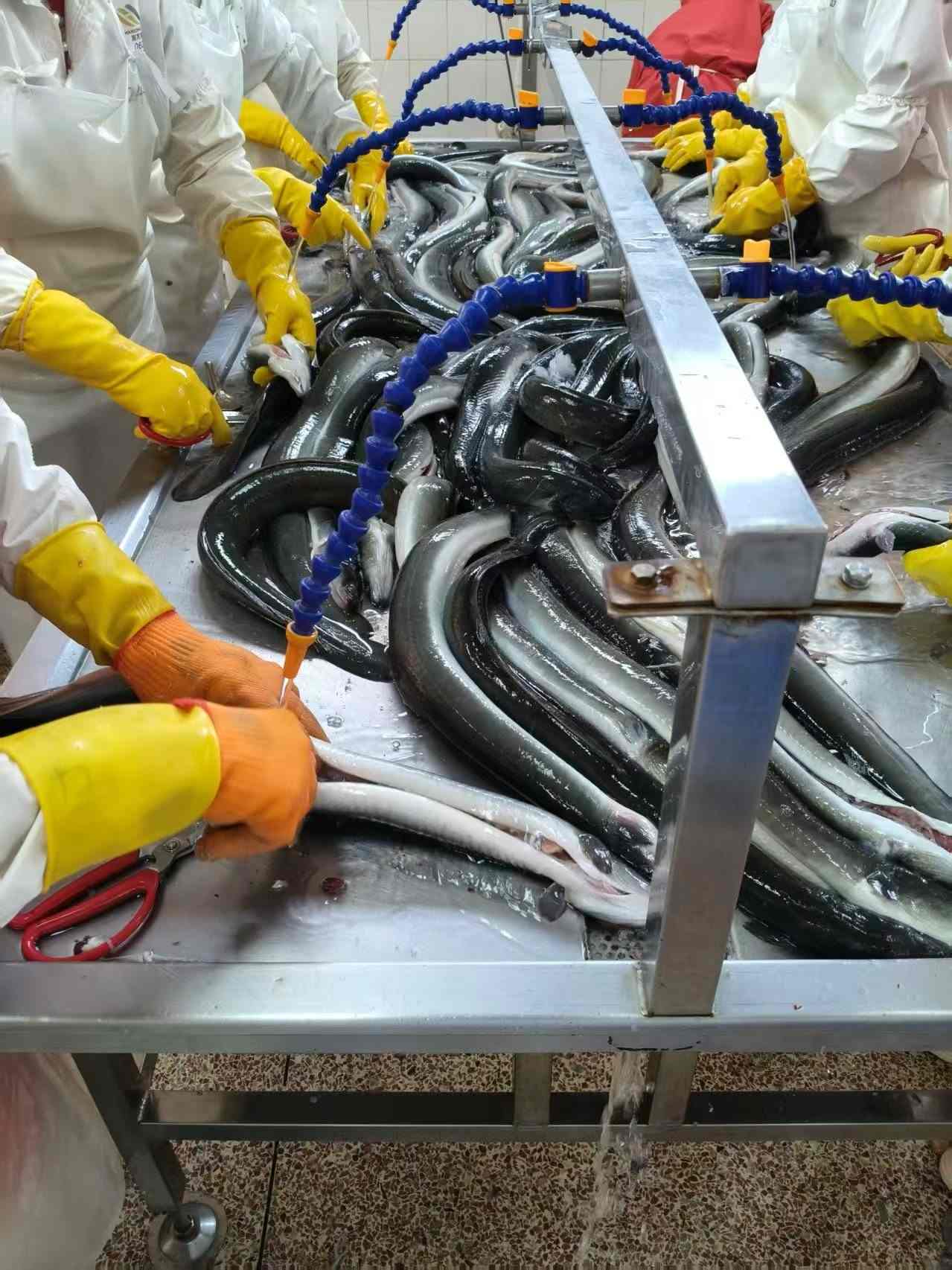
Eelpro operates two modern production lines with an annual finished-goods capacity of 4,000 tons, supported by a 1,000-ton cold storage facility. Our frozen roasted eel production uses a four-layer soy-sauce coating process, while our ISO 22000:2018, HACCP, and HALAL certifications support buyers evaluating prepared eel for export and foodservice supply.
Request a product specification or sample discussion for kabayaki suited to your next chazuke menu.