


Make an Unagi Don Recipe From Frozen Kabayaki
For foodservice operators, the challenge with a frozen unagi recipe isn't starting from scratch—it's consistently transforming a high-quality, pre-cooked product into a perfect dish without compromising texture. A common error is treating frozen kabayaki eel like a raw ingredient, leading to overcooking, a rubbery texture, or a washed-out glaze. The goal is to gently reheat the tender, pre-grilled eel while building a rich, caramelized sauce layer, a process that requires a specific workflow for optimal results.
As an exporter of frozen unagi, I've seen kitchens struggle with this final step. The key is a timed method that respects the fact that the eel is already cooked. This guide provides a professional, repeatable process for preparing an unagi donburi (unagi don) that preserves the delicate texture of the fish, enhances its flavor, and ensures a consistent final product for your customers.
Foundational Elements for a Perfect Unagi Don
Before beginning the reheating process, success depends on three core components: the quality of the frozen eel, the preparation of the rice, and the availability of a proper glazing sauce. Getting these right simplifies the final cooking steps and guarantees a better outcome.
1. Selecting Quality Frozen Unagi Kabayaki
The final dish can only be as good as its main ingredient. For commercial kitchens and importers, sourcing reliable unagi kabayaki product is non-negotiable. Look for suppliers who can provide clear documentation on food safety and production standards. At Eelpro, our facilities are ISO 22000:2018 and HACCP certified, ensuring every batch meets international food safety management requirements. This level of certification helps buyers avoid trade risks and ensures product consistency.
Key quality indicators for frozen kabayaki include:
- Even Glaze: The pre-applied kabayaki sauce should be glossy and evenly distributed, not pooled or patchy. Our patented 4-layer soy-sauce coating process creates a uniform base that's ready for final glazing.
- Intact Fillets: The eel should be whole or in standardized cuts, free from breakage, which indicates proper handling and freezing.
- Traceability: A reliable unagi kabayaki manufacturer should offer full-chain traceability. We manage this from our ~20 customs-registered eel farming bases, providing transparency from farm to shipment.
2. Preparing the Rice (Shari)
The rice in an unagi don is not just a base; it's an integral part of the flavor profile. Use a high-quality short-grain Japanese rice (koshihikari is a classic choice). It should be cooked to a slightly firm texture, allowing it to absorb the eel sauce without becoming mushy. For best results, steam the rice and keep it warm in a rice warmer until assembly. A common mistake is to use cold or day-old rice, which results in a clumpy and unappealing texture.
3. The Eel Sauce (Unagi no Tare)
While our frozen kabayaki comes pre-glazed, applying additional layers of sauce during reheating is what creates that signature deep, caramelized finish. You can make your own tare or use a high-quality commercial one. A good tare is a balanced blend of soy sauce, mirin, sake, and sugar, reduced to a syrupy consistency. Having this ready is essential for the timed workflow. For more details on what defines a quality sauce, see our eel sauce product page.

A Timed Thaw-to-Glaze Workflow for Tender Kabayaki
This method is designed for speed and quality, moving from a thawed state to a perfectly glazed, ready-to-serve fillet in minutes. It prevents the eel from steaming in its own moisture or becoming tough from excessive heat. It is a critical part of a successful unagi recipe when using pre-cooked products.
Goal: Gently reheat the pre-cooked eel to serving temperature (around 165°F or 74°C) while applying two to three layers of fresh glaze that caramelize under direct heat.
Follow these executable steps for consistent results:
- Step 1: Proper Thawing (Time: 8-12 hours, hands-off)
Action: Transfer the vacuum-sealed frozen unagi from the freezer to the refrigerator the night before use. Do not thaw at room temperature or in warm water.
Why: Slow, cold thawing prevents the buildup of excess moisture and preserves the firm, flaky texture of the fish. Rapid thawing can make the eel waterlogged and mushy.
Checkpoint: The eel should be fully pliable but still very cold to the touch. There should be no ice crystals remaining. - Step 2: Initial Reheating (Time: 2-3 minutes)
Action: Preheat your oven's broiler to high. Place the thawed eel fillet, skin-side down, on a foil-lined baking sheet. Broil for 2-3 minutes until it is just heated through. Alternatively, a quick pass in a steamer or a brief pan-sear works.
Why: This step gently brings the internal temperature up without overcooking. The goal is just to warm the fillet, not to cook it further.
Checkpoint: The surface of the eel will start to glisten as the fats warm up. It should feel warm, not hot. - Step 3: First Glaze and Broil (Time: 1-2 minutes)
Action: Remove the eel from the oven. Brush a thin, even layer of unagi tare over the entire surface. Return it to the broiler for 60-90 seconds.
Why: This first layer of sauce will begin to bubble and caramelize, forming the base of the flavorful crust.
Checkpoint: Watch closely. The sauce should be actively bubbling and slightly thickening, but not burning. You will see small, dark caramel spots forming. - Step 4: Second Glaze and Final Broil (Time: 1 minute)
Action: Remove the eel again. Apply a second, slightly more generous layer of tare. Broil for another 45-60 seconds until the glaze is glossy, bubbly, and fragrant. For an extra-rich finish, a third quick glaze can be applied.
Why: Layering the sauce builds depth of flavor that a single thick coat cannot achieve. This final pass gives the unagi its signature lacquered appearance.
Checkpoint: The edges should be slightly charred, and the surface should be a deep, rich brown. The aroma will be intensely sweet and savory. The process is complete.
Common Mistakes When Preparing Frozen Unagi
Even with a quality product, simple procedural errors can compromise the final dish. Here are the most frequent mistakes foodservice staff make when working with frozen kabayaki eel and how to avoid them.
| Common Mistake | Negative Result | Corrective Action / Best Practice |
|---|---|---|
| Microwaving to Thaw or Reheat | Tough, rubbery, and unevenly heated eel. The delicate oils are destroyed, ruining the texture. | Never use a microwave. Always thaw overnight in the refrigerator and reheat gently using a broiler, steamer, or pan. |
| Thawing in Hot Water | Waterlogged texture and loss of flavor. The pre-applied glaze can wash away. | Thaw in its vacuum-sealed package in the refrigerator. If in a hurry, submerge the sealed package in cold water for 30-45 minutes. |
| Applying Sauce to Cold Eel | The sauce doesn't adhere or caramelize properly, resulting in a thin, watery glaze. | Perform an initial warming step (Step 2 in the workflow) before applying the first layer of tare. The heat helps the sauce stick and begin cooking immediately. |
| Overcrowding the Pan or Broiler | The eel steams instead of broiling or searing, preventing caramelization and creating a soft, soggy surface. | Cook fillets in batches, ensuring there is ample space between them for dry heat to circulate. This is especially important for high-volume service. |
Assembling Your Unagi Don and Sourcing for Consistency
Once the eel is perfectly reheated and glazed, assembly is straightforward. Fill a bowl with a serving of warm steamed rice. Drizzle a small amount of unagi tare over the rice. Slice the eel fillet into 2-3 sections and arrange it neatly on top. For added flavor and texture, consider adding classic toppings like shredded nori, toasted sesame seeds, or finely chopped scallions. You can find more inspiration in our guide to eel rice bowl toppings: 7 better donburi ideas.
For businesses like catering chains, wholesalers, and importers, the real challenge is consistency across hundreds or thousands of servings. This is where your choice of supplier becomes paramount. A vertically integrated partner can ensure stability from the source. With a 4,000-ton annual production capacity and a 1,000-ton cold storage facility, we provide a stable supply chain for clients in demanding markets like Japan, the United States, and the European Union.
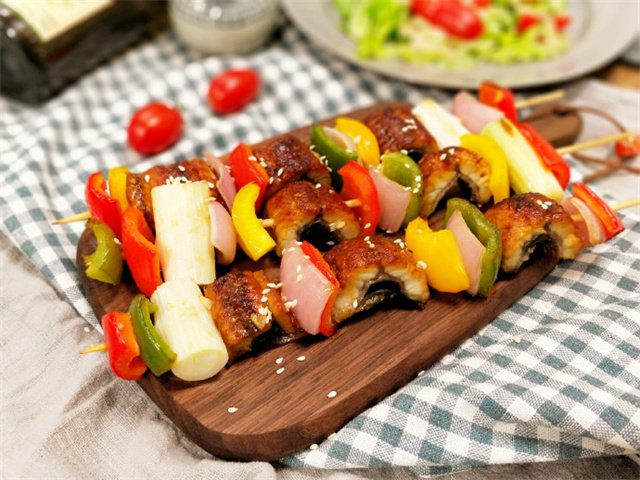
Our products are processed to meet stringent export standards for veterinary drug residues and microbiological indicators, mitigating risks for buyers. Furthermore, our boneless fillets and standardized cuts (including shreds, dice, and sushi slices) reduce back-of-house labor costs and ensure portion control. This attention to detail in the production process is what allows a simple unagi recipe to be executed flawlessly at scale.
If your business relies on a consistent supply of high-quality frozen eel that meets international standards, we invite you to discuss your sourcing requirements with our team. Contact us to request a product specification sheet and learn more about our MOQ policies.