


Selecting Unagi Roll Ingredients That Guarantee a Crisp Texture
One of the most common quality issues in foodservice unagi maki is a loss of texture. The crisp cucumber turns soft, the nori becomes chewy, and the overall experience is compromised. This problem almost always traces back to moisture migration from the glazed eel and other fillings. For restaurant chains and food importers, delivering a consistent, high-quality product means mastering the selection and preparation of all unagi roll ingredients, starting with the eel itself.
As a quality assurance specialist who has audited dozens of seafood export lines, I've seen how precise control over the base protein—the unagi kabayaki—directly impacts the final roll's integrity. The sauce viscosity, fat content of the eel, and even the post-roasting cooling process determine how much moisture is available to compromise other components. A well-processed eel with a stable glaze is the foundation for a roll that holds its texture from the kitchen to the customer.
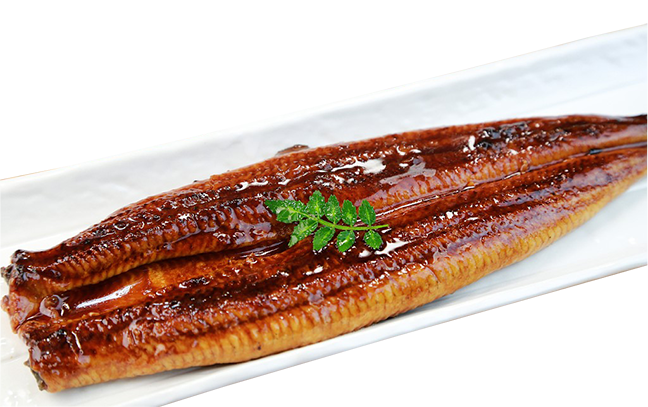
The Starting Point: Sourcing Frozen Unagi for Textural Stability
Not all frozen unagi kabayaki performs the same way after thawing. The quality of the raw eel and the sophistication of the roasting process are critical. An eel with excessive fat content will render more oils when heated, while a poorly formulated glaze will weep moisture. These factors create an unstable environment inside the roll.
At Eelpro, our entire production chain is designed to manage these variables. We begin with raw material from our 19 certified farming bases, ensuring a consistent fat-to-protein ratio. Our patented low-fat roasting and deodorizing technology further stabilizes the product. The key, however, is our four-layer soy-sauce coating process. Each layer is applied at a specific, controlled temperature, creating a viscous, tightly bonded glaze that adheres to the eel. This prevents the sauce from bleeding into the rice and other ingredients. This is why our long-term partners, including Japanese restaurant chains and US food importers, rely on our supply for its consistency.
When evaluating a potential unagi kabayaki manufacturer, use this checklist to assess the product's suitability for high-quality sushi rolls.
Buyer's Checklist for High-Performance Frozen Unagi
- Glaze Integrity: After thawing, does the sauce remain viscous and cling to the eel, or does it become watery and pool in the packaging? A stable glaze is non-negotiable.
- Fillet Firmness: Gently press the thawed fillet. It should feel firm and springy, not mushy. Mushiness indicates poor raw material quality or improper freezing.
- Ingredient & Additive List: Check for excessive stabilizers or water-binding agents in the sauce ingredients. A clean label often correlates with better processing technology.
- Supplier Certifications: Does the supplier hold internationally recognized food safety certifications? Our facility is certified for ISO 22000:2018 and HACCP, which are essential for ensuring process control and traceability. We also hold HALAL certification.
- Traceability: Can the supplier trace the product back to the farm? Our full-chain control connects each batch from our ~20 customs-registered farms to the final shipment, verified by our in-house laboratory.
How to Keep Crisp Ingredients Crisp Next to Glazed Eel
Once you have a stable, high-quality unagi product, the focus shifts to preparation technique. The goal is to create moisture barriers and remove excess surface water from vegetables before they are placed in the roll. Even the best eel can't prevent a poorly prepped cucumber from turning the roll soggy.
Here is a step-by-step procedure for preparing key unagi roll ingredients to maximize their crispness. This is the exact methodology we recommend to our foodservice clients in Germany, Poland, and across the European Union to ensure product consistency.
| Ingredient | Preparation Step | Technical Reason | Common Failure Point |
|---|---|---|---|
| Cucumber | 1. Cut cucumber into long, thin batons (julienne). 2. Remove the spongy, seed-filled core completely. 3. Lightly salt the batons and let them rest in a colander for 15-20 minutes. 4. Rinse briefly and pat thoroughly dry with paper towels. |
The core holds the most water. Salting draws out excess cellular moisture through osmosis. A dry surface prevents immediate water transfer to the rice and nori. | Skipping the salting and resting step. Simply cutting and adding the cucumber introduces significant moisture that will release over time. |
| Kaiware (Daikon Sprouts) | 1. Wash sprouts gently in cold water. 2. Use a salad spinner to remove as much surface water as possible. 3. Spread them on a dry paper towel and roll loosely to absorb remaining moisture. 4. Store in a container lined with a dry paper towel until use. |
Sprouts are delicate and hold water on their surfaces. Mechanical drying (spinner) is more effective than air drying and preserves their structure. | Storing wet sprouts in a sealed bag. This creates a humid environment, causing them to wilt and become limp before they even enter the roll. |
| Nori (Seaweed) | 1. Store unopened nori packs in a cool, dry place with a desiccant pack. 2. Just before use, lightly toast the nori sheet by passing it over a low open flame or a hot, dry pan for a few seconds until fragrant and brittle. |
Nori is highly hygroscopic, meaning it readily absorbs ambient moisture. Toasting drives off any absorbed moisture, making it extra crisp and enhancing its nutty flavor. | Using nori straight from a previously opened package that has been exposed to air. It will have already absorbed humidity and will lack the initial crispness needed to withstand the moist fillings. |
| Avocado | 1. Slice the avocado just before assembling the roll. 2. Choose avocados that are ripe but still firm to the touch. 3. Do not add lemon/lime juice if the roll is served immediately, as it adds moisture. |
Overripe avocado is mushy and has a higher water content. Slicing it at the last minute minimizes oxidation and prevents it from becoming watery. | Using overripe, soft avocados. Their creamy texture turns to paste and contributes to a generally soft, unpleasant mouthfeel in the roll. |
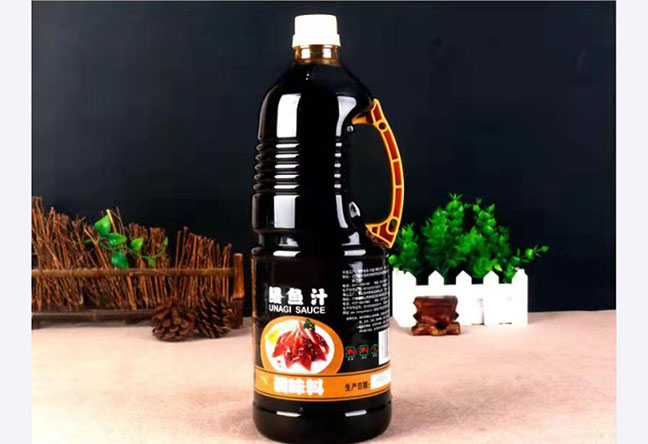
Balancing Flavors: Sauce, Fillings, and Assembly
With the primary unagi roll ingredients prepared for textural integrity, the final step is balancing flavors. The sweet and savory glaze on kabayaki eel is dominant, so other components should complement it without overwhelming it or adding unnecessary moisture.
Our signature eel sauce (unagi tare) is formulated to be thick, so a little goes a long way. When adding extra sauce to a roll, a light drizzle is sufficient. A common mistake is to use a thin, watery sauce that soaks directly into the rice, destroying its structure.
Here are some common mistakes we see in commercial kitchens that lead to subpar unagi rolls:
Ingredient Pairing and Assembly Mistakes to Avoid
- Mistake 1: Over-saucing the Rice. Using too much seasoning vinegar or adding watery sauces directly to the rice breaks down the grains and creates a wet foundation. The rice should be seasoned just enough to be flavorful but remain sticky and distinct.
- Mistake 2: Using Wet Fillings. Avoid ingredients like fresh tomato or undrained pickles. If using tamago (sweet egg omelet), ensure it has cooled completely and isn't weeping moisture before adding it to the roll.
- Mistake 3: Compacting the Roll Too Tightly. While a roll needs to be tight enough to hold together, excessive pressure can squeeze moisture out of the fillings, accelerating the sogginess of the nori. A firm but gentle roll is key. For more ideas on how to assemble, see our eel sushi roll recipe.
- Mistake 4: Preparing Rolls Too Far in Advance. An unagi roll is best served fresh. The longer it sits, the more time moisture has to migrate. For catering or pre-packaged applications, the moisture-control prep steps outlined above are not just recommended—they are mandatory for an acceptable shelf life.
By sourcing high-grade, professionally processed frozen eel and applying disciplined preparation techniques, foodservice businesses can consistently produce unagi rolls that delight customers with a perfect balance of rich flavor and crisp, fresh texture. It is this attention to detail that separates a premium product from a mediocre one, a principle that guides our 4,000-ton annual production capacity.
Our experience supplying to demanding markets in Australia, Indonesia, and Southeast Asia has reinforced the importance of these quality controls. From our 1,000-ton cold storage facility to our team of 25 quality-control specialists, every step is designed to deliver a product that performs reliably in a professional kitchen.
To discuss custom-cut unagi specifications or sauce formulations for your menu, contact our export team for a product consultation.