

Serve Unagi Japanese at the Right Temperature for Better Flavor
A beautiful grilled eel can lose its shine in minutes. If the glaze turns sticky, the flesh firms up, or the aroma fades before it reaches the table, the problem is often not the product. It is the serving process. For unagi japanese dishes, temperature control determines whether a rice bowl feels restaurant-ready or merely reheated.
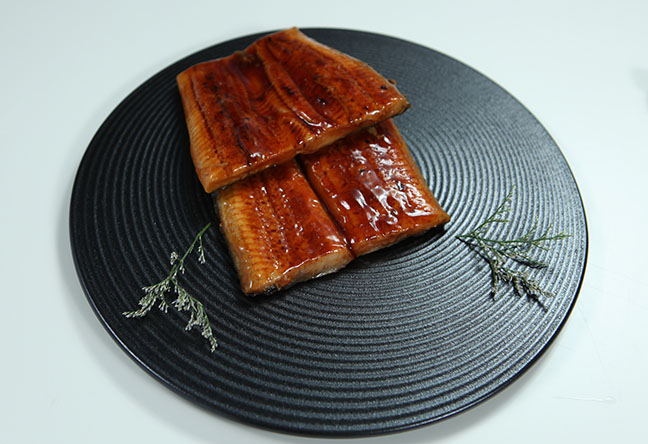
Pre-cooked frozen kabayaki is designed to save kitchen labor, but it still needs careful finishing. Foodservice teams preparing eel rice bowls, sushi, bento, and appetizer portions should treat the final heating and holding stage as part of plating, not as an afterthought. The goal is simple: keep the glaze glossy, the eel tender, and the roasted aroma noticeable when the lid opens or the plate arrives.
Start with the right serving objective for each menu format
The best service method depends on what the diner receives. A whole fillet over rice needs a warm, soft center and a visible lacquered surface. Sushi needs a smaller portion that stays tender without making the rice damp. For unagi japanese menu planning, choose the finishing method according to the dish, not simply according to available equipment.
| Menu format | Best service objective | Recommended finishing approach | When it does not fit |
|---|---|---|---|
| Unagi rice bowl | Warm eel with soft flesh and glossy sauce | Heat the eel fully according to the supplier instruction, brush lightly with sauce, then plate immediately over freshly prepared rice. | Do not use extended open holding if bowls are made to order. |
| Sushi nigiri or rolls | Tender slices with controlled sauce coverage | Warm the eel before slicing or use portioned pieces prepared in small batches, then apply a light finishing brush. | Do not over-sauce, as excess glaze can soften rice and affect presentation. |
| Bento or delivery meal | Stable appearance after packing | Use a controlled amount of sauce and separate components where practical to reduce moisture transfer. | Do not expect the same surface gloss as a bowl served immediately. |
| Buffet or catering tray | Consistent portions during a service window | Hold small replenishment batches and replace trays before the glaze dries or pools. | Not ideal for a highly caramelized, freshly grilled finish. |
The conclusion is practical: made-to-order bowls and sushi benefit most from small-batch finishing. This approach fits operators who want a premium appearance and can coordinate kitchen flow. It does not fit a high-volume buffet where the product must sit exposed for a longer period. In that case, portion control and frequent replenishment matter more than aggressive reheating.
For operators sourcing frozen roasted eel, our unagi kabayaki is designed for foodservice handling with standardized cutting options, including sushi slices, strips, chunks, and three-section cuts. The right cut can reduce last-minute knife work and help the kitchen serve more consistently.
Use serving and holding temperatures to protect glaze tenderness and aroma
This is the operational point that changes the plate. Serving and holding temperatures preserve the glaze, tenderness, and aroma of pre-cooked unagi by preventing two opposite failures: insufficient warming and excessive holding. With unagi japanese dishes, the eel should be heated according to the validated supplier preparation instruction, checked before service, and held only under the conditions required by local food safety rules and the product specification.
Do not guess from the outside surface. A dark glaze can look hot while the center remains cool. At the same time, repeated reheating can tighten the flesh, dry exposed edges, and make the sauce look dull.
| Service stage | What the team should do | What to check | Common failure reason |
|---|---|---|---|
| Thawing preparation | Follow the product’s approved thawing instruction and keep packages protected from leakage and cross-contact. | Package integrity, clean tray setup, and clear batch identification. | Uncontrolled thawing creates uneven heating and weakens texture. |
| Primary heating | Use the approved oven, grill, steamer, or other validated kitchen method for the product. | Heat reaches the thickest area; glaze is fluid rather than scorched. | Using only visual color as proof of readiness. |
| Glaze finishing | Brush a thin, even layer after heating when the surface is ready to accept sauce. | Even shine without heavy pooling around the eel. | Applying too much cold sauce directly before plating. |
| Short holding | Keep only the amount expected for immediate service and replenish in small batches. | Flesh remains tender; surface remains moist; aroma is still present. | Leaving large trays exposed until the sauce dries. |
| Plating | Place eel on rice or sushi promptly and finish with garnish only after checking sauce coverage. | Clean plate edge, intact fillet, visible glaze. | Waiting for several orders before sending completed dishes. |
Key checkpoint: use a calibrated thermometer and your approved product procedure rather than relying on steam, color, or touch alone. The applicable target depends on the product label, local regulation, kitchen process, and whether the item is being reheated, held, or served immediately. A general cooking shortcut does not replace a validated food safety process.
For food safety controls, foodservice teams should understand HACCP principles and maintain documented checks appropriate to their local requirements. Eelpro operates under ISO 22000:2018, HACCP, and HALAL certification, with an in-house laboratory and metal detectors at identified control points. Those systems support export production, but the receiving kitchen still needs its own controlled reheating and service routine.
Follow a small-batch procedure instead of reheating an entire service tray
The strongest recommendation for unagi japanese rice bowls is to heat in portions that can move quickly from equipment to plate. Small batches protect quality because each fillet receives a more even finish, and the team can correct sauce coverage before service. This method fits restaurants, sushi counters, and delivery kitchens with variable order flow. It may not fit a banquet line where pre-portioned production is necessary, although the same principle still applies through frequent tray replacement.
- Check the package and identify the intended cut. Whole fillets work well for bowls, while strips and sushi slices suit rolls, nigiri, and composed appetizers.
- Prepare rice, garnish, and serving ware before heating. Finished eel should not wait while staff search for bowls, lids, or sauce brushes.
- Heat only the batch needed for the next immediate run of orders. Follow the supplier’s approved preparation instructions and the kitchen’s food safety plan.
- Inspect the glaze. It should look smooth and lightly reflective, not thick, crusted, or separated.
- Brush sauce with restraint. Use a thin coating for shine and flavor. Add more only when the menu specification calls for it.
- Plate promptly. Place the eel over rice, or on prepared sushi rice, while the aroma is still fresh.
- Replenish rather than rescue. If a batch has lost surface quality during holding, do not repeatedly reheat it to force back the shine.
This is especially useful when using sauce-forward presentations. A properly managed eel sauce application supports the roasted profile without hiding the eel itself. Operators who want to understand how glaze balance changes the finished dish can also review kabayaki sauce article guidance.

Avoid the handling mistakes that make grilled eel look tired
Some service failures are easy to miss during a busy shift. The product may remain safe under the kitchen’s approved plan but no longer deliver the texture or appearance customers expect from unagi japanese cuisine. Train staff to spot these issues before the dish leaves the pass.
- Mistake: holding eel in a large uncovered pan. The glaze dries at the edges, while moisture can collect elsewhere. Use smaller batches and replenish them.
- Mistake: repeatedly brushing sauce over old glaze. This creates a heavy, overly sweet surface and can hide a dry fillet. Use a measured finishing brush on freshly heated portions.
- Mistake: heating before rice and garnish are ready. The eel waits too long and loses aroma. Set the station first, then heat.
- Mistake: using the same approach for bowls and sushi. Bowl portions can carry more sauce; sushi needs cleaner cutting and tighter moisture control.
- Mistake: treating every fillet as identical. Thickness, cut style, and menu position affect the heating response. Check each production batch during setup.
- Mistake: confusing a dark glaze with a finished product. Surface color comes from sauce and roasting. It does not replace verified heating control.
A useful food fact: much of the familiar roasted aroma is easiest to notice immediately after heating. Once eel sits exposed, that aroma becomes less noticeable even when the sauce still looks attractive. This is why a smaller service batch often creates a better guest impression than a larger tray held for convenience.
Match sauce level and cut style to the way guests will eat the eel
Serving quality is not only about heat. It also depends on whether the cut, sauce quantity, and base ingredient work together. For unagi japanese bowls, a larger piece over rice can handle a more visible glaze because the rice absorbs part of the sauce. For sushi, a smaller slice needs a lighter coating so the vinegared rice, seaweed, and eel remain distinct.
| Dish type | Best cut choice | Sauce approach | Presentation check |
|---|---|---|---|
| Rice bowl | Whole fillet, three-section cut, or chunks | Light base coating with a controlled finishing brush | Rice should not be flooded with sauce. |
| Nigiri | Sushi slices | Very light top glaze | Slice should sit neatly without covering the rice completely. |
| Rolls | Strips or diced eel | Apply sauce after cutting when the menu calls for it | Roll should remain clean enough to pick up. |
| Bento | Three-section cut or chunks | Use enough sauce for flavor without excess pooling | Check moisture transfer to rice and side dishes. |
This selection logic suits kitchens that need repeatable presentation across multiple staff members. It does not apply when a chef intentionally creates a heavily sauced signature dish; in that case, document the sauce portion and plating standard so every serving remains consistent.
Eelpro supports customized cutting specifications, including shredding, dicing, strip-cutting, chunk-cutting, three-section cuts, and sushi slices. Our frozen roasted eel line uses a 4-layer soy-sauce coating process, with established color standards from white-roasted eel through the first to fourth coating. That structure helps buyers define the product appearance they want before it reaches the kitchen.
Use a receiving checklist before the first service
Imported eel performs best when purchasing, receiving, and kitchen teams share the same handling expectations. For unagi japanese foodservice programs, confirm these points before adding a new product to the menu:
- Product format: confirm whether the kitchen needs whole fillets, sushi slices, strips, chunks, or another specified cut.
- Packaging requirement: identify whether the program needs skin packaging, gift boxes, or a foodservice-focused format.
- Preparation instruction: obtain the supplier’s approved heating and handling guidance before staff training begins.
- Sauce plan: decide whether the dish uses the factory glaze only, a finishing brush of unagi tare, or a separate sauce portion.
- Holding plan: define who monitors batches, when replacement occurs, and what the kitchen does with portions that no longer meet presentation standards.
- Traceability documents: retain receiving records and batch details as required by the operator’s quality system.
Eelpro draws raw material support from approximately 20 customs-registered eel farming bases covering 2,150 mu, with traceability controls from farm registration through processing verification, targeted sampling, and shipment tracking. The company has two modern production lines with annual finished-product capacity of 4,000 tons, supported by a 1,000-ton cold storage facility. For buyers, these points matter when a menu program needs stable supply as well as consistent plate performance.
Japanese restaurant chains in Japan have received long-term kabayaki eel supply, while importers and foodservice channels in the United States, Germany, Poland, Australia, Indonesia, and Southeast Asia have sourced eel products for their markets. Product suitability still needs to be confirmed against the buyer’s local import, labeling, storage, and kitchen requirements.
For a menu that depends on clean flavor and polished presentation, unagi japanese should be heated with purpose, glazed with restraint, and served without unnecessary waiting. Request a product specification or sample discussion to match the right eel cut and handling process to your foodservice menu.