





The Right Unakyu Roll Ingredient for Perfect Flavor Balance
A perfect unakyu (eel and cucumber) roll hinges on a delicate balance. Too much cucumber and the rich, savory flavor of the unagi is lost. Too little, and the roll becomes heavy and overly rich. The core challenge for any foodservice operation is achieving this balance consistently across hundreds of servings. The primary unakyu roll ingredient is, of course, the eel, but its proportion to the cucumber is what defines the final product. Getting it right is a matter of precision and starting with a high-quality, reliable base.
As a quality specialist, I've seen firsthand how ingredient variability can disrupt kitchen operations. A frozen eel product that lacks consistent sizing, sauce coating, or texture forces chefs to constantly adjust, leading to food waste and inconsistent customer experiences. This guide provides a technical framework for balancing eel and cucumber, ensuring every roll meets your quality standard, starting with the selection of a superior unagi kabayaki product.
Sourcing Superior Eel: The Foundation of a Great Unakyu Roll
Before discussing ratios, we must address the quality of the eel itself. The taste, texture, and safety of your final roll are determined long before the ingredients reach the kitchen. For commercial buyers in Japan, the United States, and the European Union, sourcing from a certified supplier is non-negotiable to avoid trade risks and ensure consumer safety. At Eelpro, our entire process is built around delivering a consistent, safe, and high-quality product.
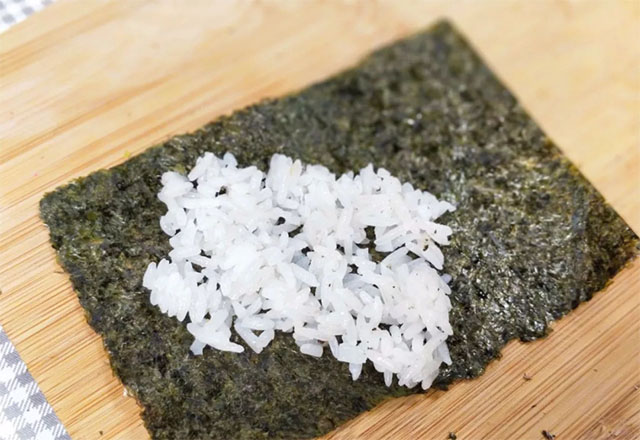
Our control starts at the source. We manage approximately 20 customs-registered eel farming bases, covering over 2,150 mu. This gives us full-chain traceability, from the farm to your facility. Every batch of raw material is subject to rigorous verification and targeted sampling in our in-house professional laboratory to screen for veterinary drug residues and microbiological indicators, ensuring compliance with strict international food inspection standards.
This control continues in our 8,497 m² production workshop. Here are the key differentiators that impact the final product:
- Patented Processing: Our proprietary low-fat roasting and deodorizing technology produces a cleaner-tasting eel with a superior texture. This process removes excess fat that can make a roll feel greasy.
- Four-Layer Sauce Coating: We apply our signature kabayaki sauce in four precise layers, each at a controlled temperature. This builds a deep, savory flavor that won't wash out or become watery in the roll. This meticulous process ensures a consistent flavor profile, which is essential for brand standardization.
- Certifications and Compliance: Our facility is ISO 22000:2018, HACCP, and HALAL certified. We hold an Export Food Producer Registration Certificate, and our products are designed to meet the demanding standards of global markets, including those in Germany, Poland, and Australia.
- Consistent Supply Chain: With an annual production capacity of 4,000 tons and a 1,000-ton cold storage facility, we ensure a stable supply chain and reliable delivery, typically around 30 days from order confirmation.
The Eel-Cucumber Ratio: A Technical Guide for Consistency
Achieving the perfect balance in an eel cucumber roll is a science. The goal is for the cucumber's crisp, cool freshness to complement and cut through the richness of the broiled eel and its sweet-savory sauce, not to compete with it. For restaurant chains and food manufacturers, standardizing this ratio is key to a consistent product. Below is a framework for portioning, based on common roll types.
This guidance assumes you are using a high-quality, fully cooked frozen unagi kabayaki that has been thawed and brought to room temperature or gently warmed.
| Roll Type & Size | Eel Cut & Weight (Approx.) | Cucumber Cut & Weight (Approx.) | Target Flavor Profile & Rationale | Common Pitfall to Avoid |
|---|---|---|---|---|
| Hosomaki (Thin Roll) ~2.5 cm diameter |
Cut: Single 1 cm strip Weight: 15-18g |
Cut: One 5mm strip Weight: 8-10g |
Eel-Forward: The unagi is the star. The cucumber provides a subtle crunch and a hint of freshness to prevent the roll from being one-note. The ratio is roughly 2:1 eel to cucumber. | Overstuffing with Cucumber: Using a thick cucumber stick will overpower the delicate eel flavor and can make the roll watery, compromising the nori's integrity. |
| Chumaki (Medium Roll) ~4 cm diameter |
Cut: Two 1 cm strips or one wider 2 cm strip Weight: 25-30g |
Cut: Two 6-7mm strips Weight: 18-22g |
Balanced: A harmonious blend where both the savory eel and crisp cucumber are clearly identifiable. Ideal for diners who appreciate complexity and texture. | Uneven Ingredient Placement: If eel and cucumber are not placed side-by-side, one bite might be all eel and the next all cucumber. Distribute ingredients evenly along the rice. |
| Futomaki (Thick Roll) ~5-6 cm diameter (with other ingredients) |
Cut: Two or three 1.5 cm strips Weight: 40-50g |
Cut: Three or four 7mm strips Weight: 30-35g |
Complex & Textured: In a futomaki, the unagi and cucumber are part of a larger ensemble. The ratio here ensures they hold their own against other fillings like tamago or avocado without dominating. | Forgetting Water Content: With more cucumber, it is vital to seed and pat the strips dry. Excess moisture from this much cucumber will guarantee a soggy roll within minutes. |
| Inside-Out Roll (Uramaki) ~5 cm diameter |
Cut: One or two 1 cm strips Weight: 25-30g |
Cut: One or two 6mm strips Weight: 15-20g |
Sauce-Focused: With rice on the outside, often topped with more eel sauce and sesame seeds, the filling can be slightly more cucumber-forward to provide a refreshing core. | Cutting Cucumber Too Thick: Thick cucumber strips in an inside-out roll can cause it to split or fall apart when sliced. Keep fillings lean and uniform. |
Best Practices for Preparation
- Use Japanese Cucumbers: They have fewer seeds and a thinner skin, providing a better crunch and less water content than other varieties.
- Seed and Blot: Always remove the watery seeds from the cucumber and pat the cut strips with a paper towel. This is the single most important step to prevent a soggy roll.
- Uniform Cuts: Whether you need shreds, dice, or strips, standardized cutting is essential for portion control and a professional appearance. Eelpro offers custom cutting specifications to support our clients' needs.
A Buyer's Checklist for Sourcing Your Primary Unakyu Roll Ingredient
For importers, distributors, and large-scale catering chains, choosing the right supplier for a core menu item like sushi eel is a critical decision. A wrong choice can lead to supply disruptions, quality complaints, or customs rejection. Based on my experience guiding clients through import compliance for markets like Indonesia and Southeast Asia, I've developed this checklist to help vet potential suppliers.
Use this list to ensure your partner can deliver a product that is safe, consistent, and meets your operational needs.
Supplier Vetting Checklist:
- Food Safety Certifications: Does the supplier hold internationally recognized certifications?
- [ ] ISO 22000:2018 (Food Safety Management System)
- [ ] HACCP (Hazard Analysis and Critical Control Points)
- [ ] HALAL (If required for your market)
- [ ] Export Food Producer Registration
- Traceability & Raw Material Control: Can the supplier prove control over its supply chain?
- [ ] Own or cooperative customs-registered farming bases (our unagi eel farm provides this)
- [ ] Full traceability from farm to shipment
- [ ] In-house laboratory for residue and microbiological testing
- Production Capability & Technology: Does the facility have the capacity and technology for consistency?
- [ ] Documented annual production capacity (e.g., our 4,000 tons)
- [ ] Patented or proprietary processing technology (e.g., our low-fat roasting)
- [ ] Critical control points like metal detectors in place
- Product Specifications & Customization: Can the supplier meet your specific product needs?
- [ ] Standardized cuts (sushi slices, chunks, etc.)
- [ ] Custom cutting options available
- [ ] Flexible MOQ policies for different client types
- Logistics & Cold Chain Management: Do they have the infrastructure to protect product quality during storage and transit?
- [ ] Sufficient on-site cold storage capacity (e.g., our 1,000-ton facility)
- [ ] Established cold-chain logistics protocols
A supplier who can confidently check all these boxes is positioned to be a long-term partner, not just a vendor. This level of vertical integration and quality control is precisely what we have built at Eelpro Co., LTD, making us a trusted unagi kabayaki manufacturer and frozen eel supplier.
By starting with a reliable, high-quality unakyu roll ingredient, you simplify kitchen operations, reduce waste, and can focus on the culinary details—like the perfect eel-to-cucumber ratio—that delight customers and build your brand's reputation.
For detailed product specifications on our frozen unagi kabayaki or to discuss your import requirements, please contact our team for a consultation.
 WhatsApp
 sales@chinaeels.com
 +8619937922411