


Understanding Mirin Substitutes in Commercial Eel Sauce Unagi
For food importers and foodservice chains, the specific formulation of a sauce isn't just about taste—it's a balance of cost, supply chain stability, and market compliance. A common question we encounter from partners is about the ingredients in our eel sauce unagi, specifically the role of mirin. Can it be replaced? The short answer is yes, but every substitution carries commercial trade-offs in flavor, viscosity, cost, and labeling that buyers must understand before committing to a production run.
As a quality assurance specialist, I've guided dozens of clients through developing custom sauce formulations for markets in Japan, the United States, and the European Union. The decision to use authentic mirin or an alternative directly impacts the final product's performance on a grilled unagi kabayaki and its reception by the end consumer. This guide breaks down the technical and commercial implications of these choices, helping you make an informed sourcing decision.
The Functional Role of Mirin in Industrial Unagi Sauce Production
Mirin is not just a sweetener. In a large-scale commercial recipe, it performs several critical functions that substitutes must replicate. Understanding these functions is key to evaluating the effectiveness of any alternative. Traditionally, there are two main types: hon-mirin (true mirin) and aji-mirin (mirin-like seasoning), each with different cost structures and labeling implications.
Key Functions of Mirin:
- Complex Sweetness: Unlike simple sugar, mirin's sweetness comes from complex carbohydrates and rice fermentation, providing a rounder, less sharp flavor.
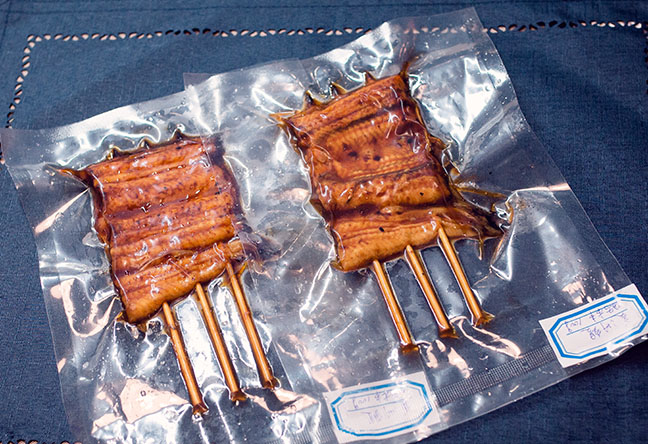
- Lustrous Glaze (Teri): The sugars in mirin caramelize during heating, creating the signature glossy sheen on kabayaki eel. This visual appeal is a primary quality indicator for consumers.
- Umami and Depth: Fermentation produces amino acids that contribute to the sauce's savory, umami character, balancing the soy sauce's saltiness.
- Flavor Masking: Mirin helps to mellow the sometimes-strong flavors of fish, which is why it's a staple in seafood glazes.
- Texture and Viscosity: The sugar content helps thicken the sauce, allowing it to adhere properly to the eel during our 4-layer coating process.
At Eelpro, our standard eel sauce formulation is developed to optimize these characteristics. However, we also work with clients who require adjusted formulations for cost or regional taste preferences, which often involves a careful evaluation of mirin alternatives.
Which Mirin Substitutions Preserve Quality and When Do They Fail?
Replacing mirin is a balancing act. No substitute is a perfect 1:1 replacement, and the "best" choice depends entirely on your priority: cost reduction, alcohol-free requirements (for HALAL certification), or flavor authenticity. Below is a breakdown of common substitutes we analyze in our eel lab of eelpro co., ltd when developing custom formulations for our export partners.
This table outlines the trade-offs from a commercial production perspective.
| Substitute | How It Works | Impact on Sweetness & Shine | Commercial Considerations & Limitations |
|---|---|---|---|
| Sake + Sugar/Glucose Syrup | Sake provides the fermented rice notes and umami, while sugar or syrup replaces the sweetness and helps with viscosity. | Good. This combination comes closest to replicating mirin's complexity and ability to create a high-quality glaze. The shine is often comparable. | This is often the preferred substitute for maintaining a premium flavor profile. However, it still contains alcohol, which may be a concern for HALAL-certified products or specific import regulations. It can offer moderate cost savings over hon-mirin. |
| Rice Vinegar + Sugar | Rice vinegar provides a touch of acidity and tang, while sugar adds the sweetness. A very small amount is used to avoid sourness. | Moderate. The sweetness is one-dimensional (from the sugar), and the shine is less rich. The subtle acidity can slightly alter the final flavor, making it brighter but less deep. | This is a common, cost-effective, and alcohol-free alternative. It works for mid-range products where cost is a primary driver. The finished sauce's flavor profile changes noticeably; it's less traditional and may not be suitable for discerning markets like Japan. |
| Water + Sugar/Corn Syrup | The most basic substitute, this combination only aims to replicate the sweetness and viscosity of mirin. | Poor. The sauce will be sweet but lack the umami and complexity of a mirin-based sauce. The glaze often appears more like a simple sugar glaze—shiny but without depth. | This is the lowest-cost option but represents a significant compromise in quality. It is generally not recommended for any product marketed as premium. It fundamentally changes the product from a traditional kabayaki sauce into a generic sweet soy glaze. |
| White Grape Juice or Apple Juice Concentrate | Fruit juices provide sweetness and a slight fruity acidity. | Moderate to Poor. The sweetness is distinctly fruity, which is not traditional for unagi sauce. The shine can be good, but the flavor profile is significantly altered. | This is an alcohol-free option but introduces a non-traditional flavor. It may be viable for fusion applications or markets unfamiliar with authentic unagi flavor, but it fails to replicate the classic taste. Labeling must clearly state the use of fruit juice. |
Quality Control for Custom Eel Sauce Formulations
When an importer—whether from Germany, Poland, or the United States—requests a modified eel sauce, our quality assurance process becomes even more critical. Any change in ingredients can affect the product's physical and microbiological stability. As an ISO 22000:2018 and HACCP-certified facility, we have strict protocols for managing these variations.
Our team of 25 quality-control specialists oversees a rigorous testing regimen for every new sauce batch. Here’s what that process involves:
- Brix Measurement: We use a refractometer to measure the total soluble solids (mainly sugar). This ensures the sweetness level and viscosity are consistent with the approved sample, batch after batch. A change from mirin to corn syrup requires recalibrating the target Brix level.
- Viscosity Testing: The sauce must be thick enough to cling to the eel during grilling but not so thick that it becomes gummy when cold. We test viscosity at specific temperatures to simulate real-world kitchen conditions.
- Colorimetric Analysis: We use color standards—our established '1st-through-4th soy-sauce coating color' benchmarks—to ensure the final glaze meets visual expectations. Different sugars caramelize differently, so this step is vital.
- Microbiological Screening: Any new ingredient, especially those with lower sugar or alcohol content, can alter the sauce's water activity and potential for microbial growth. We conduct tests to validate the shelf life of the new formulation under frozen conditions in our 1,000-ton cold storage facility.
- Sensory Panel Tasting: Ultimately, the product must taste right. Our internal panel compares the production batch against the client-approved standard, ensuring the flavor profile—sweetness, saltiness, umami—is correct.
This systematic approach ensures that even when using mirin substitutes, the final product is stable, safe, and meets the exact specifications agreed upon with the buyer, helping them avoid trade risks related to non-compliance or quality inconsistency.
Buyer's Checklist for Sourcing Customized Unagi Sauce
When you approach a frozen eel supplier to develop a unique eel sauce unagi, having clear requirements is essential. Use this checklist to guide your discussion and ensure the final product meets your business needs.
- Define Your Target Market and Flavor Profile.
Are you targeting high-end Japanese restaurants that demand authenticity, or a mass-market retail channel where cost is paramount? This decision will dictate whether hon-mirin, aji-mirin, or a substitute is the right choice. Be specific about desired sweetness, saltiness, and umami levels. - Specify Application and Required Viscosity.
Will the sauce be used as a finishing glaze for grilled items, a dipping sauce, or a marinade? A glazing sauce needs to be thicker to adhere under heat, while a dipping sauce might be thinner. Provide these details to your supplier. - Clarify All Regulatory and Labeling Requirements.
Inform your supplier of any ingredient restrictions in your country. This includes alcohol content, allergen declarations (e.g., soy, wheat), and GMO status. This is particularly important for EU and US markets. Our experience supplying these regions helps clients navigate these rules effectively. - Request and Approve Pre-Production Samples.
Never commit to a 4,000-ton annual production capacity without first approving a sample that matches your exact needs. Test the sample in your own kitchen or with a trusted chef to confirm its performance. - Discuss MOQ, Packaging, and Lead Times.
Ask about the Minimum Order Quantity for custom formulations. At Eelpro, we have differentiated MOQ policies and can accommodate various packaging formats, from bulk foodservice pails to retail-ready bottles. Confirm the lead time, which is typically around 30 days from order confirmation.
Ultimately, while mirin is a foundational ingredient in traditional eel sauce, viable commercial alternatives exist. The key is working with a manufacturer who has the technical expertise and certified processes to manage these substitutions without compromising safety or quality.
For detailed specifications on our unagi sauce formulations or to discuss a custom recipe for your market, please contact our export team.