


How to Clean an Eel Without Skinning It
Many people assume that preparing a fresh eel begins with the difficult task of skinning it. This is a common misconception that can rob your final dish of essential flavor and texture. For preparations like grilling, especially for Japanese kabayaki, the skin is not just edible—it's a critical component. It protects the delicate flesh, crisps up beautifully, and holds the rich, savory sauce. The real question isn't about removing the skin, but rather how to clean a eel properly while keeping the skin perfectly intact.
As a quality specialist who oversees food safety systems for eel exports to demanding markets like Japan and the EU, I've seen firsthand how crucial proper preparation is. A clean, skin-on eel is the foundation for a premium product. This guide will walk you through the professional, food-safe method for cleaning eel, ensuring it's ready for any recipe, from a simple grill to an elegant eel sushi roll.
Why Keeping the Skin On is Better for Grilling and Roasting
Before we get to the "how," let's cover the "why." In high-heat cooking methods, eel skin serves multiple purposes that are lost upon removal. For foodservice professionals and discerning home cooks, these benefits are non-negotiable.
- Moisture Retention: The skin acts as a natural barrier, locking in moisture and fats as the eel cooks. This prevents the delicate meat from drying out over charcoal or under a broiler, resulting in a succulent, tender texture.
- Flavor and Texture: Eel skin is rich in gelatin. When grilled, this gelatin renders, contributing to a luxurious mouthfeel. The skin itself crisps up, creating a delightful contrast with the soft flesh beneath.
- Sauce Adhesion: For dishes like unagi kabayaki, the skin provides the perfect surface for the thick, sweet soy glaze to adhere to. Without it, the sauce simply slides off the meat. At Eelpro, our patented 4-layer soy-sauce coating process relies on pristine, intact skin to achieve its signature color and flavor standards.
- Structural Integrity: The skin helps hold the fillet together during the aggressive flipping and basting of the kabayaki grilling process. A skinless fillet is far more likely to break apart.
Leaving the skin on transforms the eel from just a piece of fish into a complete culinary experience. It’s the secret to the texture and flavor that has made grilled eel a delicacy around the world, from restaurant chains in Japan to foodservice channels in Germany and Poland.
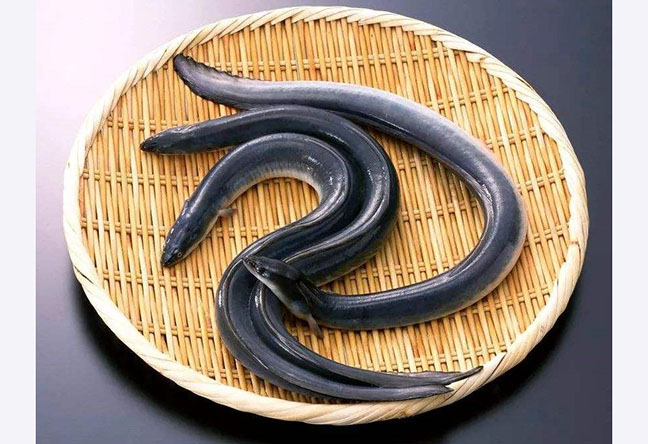
The Step-by-Step Process for Cleaning an Eel While Keeping the Skin Intact
Cleaning an eel is a process of precision. The goal is to remove the slime, guts, and bloodline without damaging the skin or flesh. As with any process in our ISO 22000 certified facility, having a clean workspace and a methodical approach is key to a safe and high-quality result. Here is the exact procedure.
- Immobilize and Stun the Eel: For a live eel, this is the most critical and humane first step. The traditional method is to drive a sharp awl or nail through the eel's head into a sturdy wooden cutting board. This secures it firmly, preventing it from writhing and ensuring both your safety and a cleaner cut.
- Remove the Outer Slime: Eel skin is covered in a protective slime layer. This must be removed for a good grip and to prevent off-flavors. Lay the eel flat and cover it generously with coarse salt. Using a paper towel or the back of a knife, scrape firmly from head to tail. The salt acts as an abrasive, pulling the slime off. Rinse thoroughly under cold running water. Repeat if necessary until the skin feels tacky, not slippery.
- Make the Incisions: With the eel secured, use a very sharp, pointed knife. Make a shallow incision that circles the body just behind the pectoral fins. Next, insert the knife tip into the belly near the head and slice a straight line all the way down to the tail. The cut should be just deep enough to open the body cavity without piercing the internal organs.
- Remove Guts and Bloodline: This is the most important part of how to clean a eel. Gently open the belly cavity. The organs should be contained in a single mass. Hook your finger or the knife tip under the organs near the head and pull downwards, removing them in one motion. Discard the organs. You will now see a dark red line running along the inside of the spine—this is the kidney, often mistaken for a bloodline. It is crucial to remove this, as it imparts a bitter, muddy flavor. Use the tip of your knife or a small, stiff brush to scrape it out completely.
- Final Rinse: Once the cavity is clean, rinse it thoroughly under cold water, using your thumb to rub away any remaining residue. Pay special attention to the spinal area where the bloodline was. Pat the entire eel, inside and out, completely dry with paper towels. It is now ready for deboning and filleting.
Executing these steps correctly is fundamental. Below are some common errors I've seen and how to prevent them in your own kitchen.
Common Mistakes in Eel Cleaning & How to Fix Them
| Mistake | Why It Happens | Solution / Prevention |
|---|---|---|
| Puncturing the Gallbladder | Making the belly incision too deep or being too rough when removing the organs. | The gallbladder releases bitter bile. If it breaks, immediately rinse the cavity with cold water and wipe the area clean. Make shallow cuts and pull organs out gently from the top. |
| Leaving Parts of the Bloodline (Kidney) | Incomplete scraping or not realizing it's a separate element from the guts. | This will ruin the taste. After gutting, specifically look for the dark line along the spine. Use a firm brush or the knife tip to scrape until only the white backbone is visible. |
| Torn or Damaged Skin | Using a dull knife, insufficient slime removal causing slippage, or cutting too aggressively. | Sharpen your knife before starting. Be thorough with the de-sliming step for a secure grip. Let the knife do the work with gentle, controlled pressure. |
Essential Tools and Workspace Safety
A successful cleaning process depends on having the right setup. In our commercial operations, every station is designed for efficiency and safety, following principles from HACCP systems. You can apply the same logic at home.
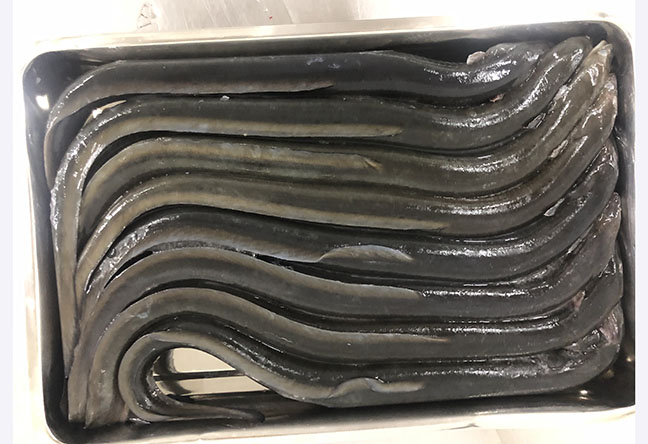
Here is a buyer's decision checklist for your eel preparation toolkit:
- A Dedicated Cutting Board: Use a non-porous board (plastic or composite) exclusively for seafood to prevent cross-contamination. A wooden board with a nail or awl is best for securing the eel.
- A Sharp, Long Knife: A Japanese unagi-bocho or yanagiba is ideal, but any long, sharp, and slightly flexible filleting knife will work. A dull knife is dangerous and will tear the flesh.
- Awl or Sturdy Nail: To pin the eel's head to the board. This is a non-negotiable safety tool.
- Coarse Salt: The most effective, food-safe abrasive for removing slime.
- Paper Towels: For de-sliming and for drying the cleaned eel thoroughly.
- Small Stiff Brush (Optional): A clean toothbrush or vegetable brush can be very effective for scrubbing out the bloodline.
- Bowl for Offal: Keep your workspace clean by having a designated container for the discarded guts.
Your workspace should be well-lit and clear of clutter. Ensure the cutting board is on a stable, non-slip surface. After you finish, clean and sanitize the board, knife, and sink immediately to maintain a hygienic kitchen environment. All of these steps are critical control points, just like the ones we monitor in our in-house laboratory to ensure every product meets export standards for the US, EU, and Australian markets.
Simplifying Your Supply Chain with Prepared Eel
While mastering the art of cleaning a fresh eel is a valuable skill, it is also labor-intensive, time-consuming, and requires a high degree of consistency that can be challenging to achieve in a busy commercial kitchen. This is where a reliable supplier of prepared eel becomes a strategic partner.
For our foodservice clients, from catering chains in Southeast Asia to importers in the United States, the value proposition is clear. Our frozen unagi kabayaki and other eel products eliminate these difficult back-of-house steps entirely.
- Zero Preparation Waste: You receive a 100% usable product, with no loss from guts, heads, or bones.
- Guaranteed Consistency: Every fillet is cleaned, deboned, and cut to precise specifications. Our patented low-fat roasting and deodorizing technology ensures a consistent flavor and texture that is difficult to replicate manually.
- Reduced Labor Costs: Your kitchen staff can focus on final preparation and plating, not on the time-consuming and messy process of cleaning fresh eels.
- Assured Food Safety: Sourced from our 20 customs-registered eel farming bases with full-chain traceability, our products are processed in an ISO 22000, HACCP, and HALAL certified facility. This removes the compliance risks associated with sourcing live animals.
Whether you're looking for perfectly roasted kabayaki fillets, custom cuts for specific recipes, or even a high-quality eel sauce, working with a specialized manufacturer streamlines operations and ensures a premium final product for your customers. For more ideas on how to use eel, see our guide on how to cook eel.
For foodservice businesses, distributors, or importers seeking a consistent supply of high-quality, ready-to-use eel products that meet stringent international food safety standards, our team is ready to help. Contact us to request a product specification sheet or to discuss your volume requirements.