





Understanding the Nutritional Benefits of Eel for Modern Menus
As an importer or foodservice distributor, you know that unagi kabayaki is prized for its rich, savory flavor. But what about its nutritional profile? For restaurant chains and retailers targeting increasingly health-aware consumers, understanding the specific nutritional benefits of eel is a powerful selling point. This is more than just a list of vitamins; it's about providing a product that meets consumer demand for meals that are both indulgent and nourishing.
At Eelpro, we believe that exceptional flavor and transparent nutrition go hand-in-hand. Our entire process, from farm to freezer, is designed to preserve the inherent quality of our eels. We manage a fully traceable supply chain, starting from our ~20 customs-registered eel farming bases, ensuring every fillet meets stringent global standards for both safety and nutritional content. Let's break down what makes eel a valuable addition to any menu.
A Breakdown of Eel's Core Nutrients and Their Sourcing Impact
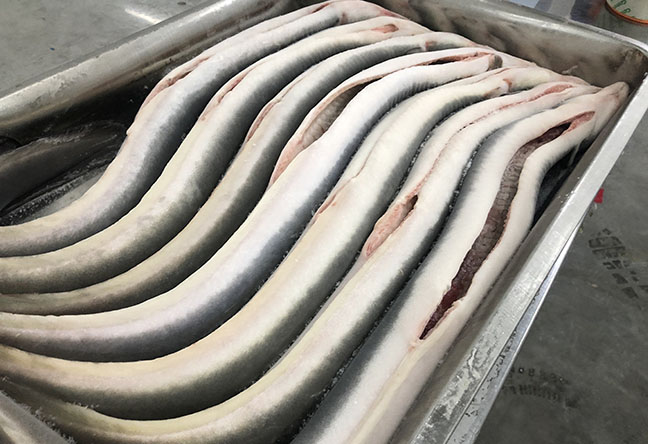
Freshwater eel is naturally dense in several key nutrients that are essential for human health. For your clients—be they restaurant chefs or retail buyers—highlighting these components can elevate a dish from a simple treat to a functional food. The quality and consistency of these nutrients, however, depend heavily on aquaculture practices and processing methods.
Here are the primary nutritional components found in high-quality eel:
- High-Quality Protein: Eel provides a significant source of complete protein, which is vital for muscle repair and overall body function. Our ready-to-heat frozen unagi kabayaki products are pre-portioned and deboned, offering chefs a standardized, protein-rich ingredient that reduces back-of-house labor.
- Omega-3 Fatty Acids: Eel is an excellent source of the Omega-3 fatty acids EPA and DHA. These are widely recognized for supporting cardiovascular and cognitive health. The diet and water quality at our certified farming bases are managed to ensure healthy eel growth, which directly contributes to a rich fatty acid profile.
- Vitamins A and E: These fat-soluble vitamins are powerful antioxidants. Vitamin A is critical for vision and immune function, while Vitamin E helps protect cells from oxidative stress. The nutritional benefits of eel are best preserved through rapid, controlled processing—a core principle at our ISO 22000:2018 certified facility.
- Vitamin D: Known as the "sunshine vitamin," Vitamin D is essential for bone health and calcium absorption. Eel is one of the few natural food sources rich in this nutrient, making it a valuable menu item, especially in regions with limited sun exposure.
Control over the supply chain is not just about safety; it's about quality. Our full-chain traceability, from our unagi eel farm network to final shipment, means we can consistently deliver a product with a reliable nutritional profile that your clients can count on.
How to Create and Market Balanced Eel Dishes
While eel is nutrient-rich, traditional preparations like unagi donburi can be high in sodium and refined carbohydrates. As a supplier, you can provide significant value to your foodservice clients by offering guidance on creating balanced meals. This strategy broadens the appeal of eel dishes to health-conscious diners and families, turning a specialty item into a versatile menu staple.
Here is a practical framework your clients can use to build balanced meals around eel.
Step-by-Step Guide to a Balanced Eel Plate
- Portion the Protein: Start with a standard serving of eel, typically 80-120 grams. This provides ample protein and healthy fats without excessive calories. Our custom cutting services (dicing, slicing, chunk-cutting) allow for precise portion control straight from the package.
- Add Non-Starchy Vegetables: Fill at least half the plate or bowl with vegetables. This adds fiber, vitamins, and volume, creating a more satisfying meal. Good pairings include steamed broccoli, blanched spinach, pickled daikon radish, or a fresh cucumber salad.
- Incorporate Whole Grains: Swap a portion of traditional white sushi rice for nutrient-denser alternatives. Options like brown rice, quinoa, or soba noodles add fiber and B vitamins, providing sustained energy.
- Use Sauce Mindfully: A high-quality eel sauce (unagi tare) is essential for flavor, but it is concentrated. Advise chefs to use it as a finishing glaze rather than a soaking sauce. A light drizzle provides the classic taste without overwhelming the dish with sodium and sugar.
Menu Concept: Traditional vs. Balanced
This table illustrates how a few simple adjustments can transform the nutritional profile of an eel dish, making it easier to market to a wider audience.
| Component | Traditional Unagi Donburi | Balanced Eel Power Bowl |
|---|---|---|
| Protein | 150g Unagi Kabayaki | 100g Unagi Kabayaki (diced) |
| Base | 300g Steamed White Rice | 150g Brown Rice or Quinoa |
| Vegetables | Pickled Ginger (Garnish) | Steamed Edamame, Sliced Avocado, Shredded Carrots, Cucumber Salad |
| Sauce | Heavy sauce application over rice and eel | Light drizzle of unagi tare over eel only |
| Marketing Angle | Rich, authentic, indulgent classic | Nourishing, high-protein, vitamin-rich, modern |
Common Meal-Balancing Mistakes to Avoid
- Over-Saucing: Drenching the entire dish in sauce masks the natural flavor of the eel and dramatically increases sodium and sugar content.
- Neglecting Fiber: A meal of just eel and white rice lacks the fiber needed for satiety and digestive health. Always include a significant vegetable component.
- Hidden Fats: Avoid pairing eel with other rich, fatty ingredients like tempura flakes or creamy sauces, which can make the meal excessively heavy.
How Processing Technology Preserves Eel's Nutritional Value
The journey from a live eel to a frozen fillet involves critical steps where nutrients can be degraded. At Eelpro, our investment in modern technology is focused on preserving the natural quality of the raw material. With a 4,000-ton annual production capacity, our two modern lines are equipped to maintain the highest standards.
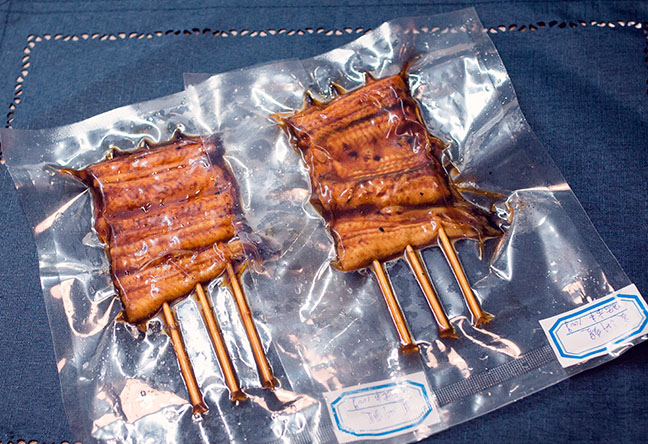
Our patented low-fat roasting and deodorizing technology is a key differentiator. This process effectively reduces excess fat while retaining the desirable Omega-3s, resulting in a cleaner flavor and a more favorable fatty acid profile. The roasting itself is a precise art. We use a proprietary 4-layer soy-sauce coating process with carefully controlled temperatures at each stage. This method ensures the sauce caramelizes perfectly without scorching the delicate eel meat, which helps protect the underlying proteins and vitamins from heat damage.
Once cooked, the fillets are quick-frozen and moved to our 1,000-ton cold storage facility. This rapid freezing process minimizes the formation of large ice crystals, preserving the cell structure, texture, and nutritional integrity of the fish. For importers, this means the product that arrives at your warehouse maintains the same quality as the day it left our facility.
Meeting Global Food Safety Standards for Nutrient-Rich Products
For any food importer, product safety is non-negotiable. A nutrient-rich product is worthless if it poses a trade risk. Eelpro’s operations are built on a foundation of internationally recognized certifications, including ISO 22000:2018, HACCP, and HALAL. These systems are not just certificates on a wall; they are active frameworks managed by our team of 25 technical and quality-control specialists.
Our products are processed to meet the stringent food inspection standards of Japan, the United States, and the European Union. This includes rigorous testing for veterinary drug residues and microbiological indicators. We operate our own professional eel lab to conduct targeted sampling and verification, complementing the metal detectors and other critical control points on our production lines. This proactive approach helps our clients in Germany, Poland, Australia, and across Southeast Asia avoid costly import delays and rejections.
By providing a product that is not only rich in nutrients but also backed by verifiable safety credentials and full traceability, we empower our partners to confidently supply high-quality unagi to their markets.
To discuss how our traceable, nutrient-rich eel products can fit your import portfolio, please contact us for a detailed specification sheet and a sample request.
 WhatsApp
 sales@chinaeels.com
 +8619937922411