





Make Vegan Unagi Sauce With Kombu Dashi
A glossy brown glaze can make eggplant or tofu look like a restaurant-style unagi bowl, but many homemade versions taste flat, too salty, or overly sweet. The answer is not eel stock. It is a well-built vegan unagi sauce made with kombu dashi, soy, mirin, and sugar.
This sauce is for home cooks who want the sweet-savory character associated with Japanese grilled eel dishes while keeping the recipe free from eel and fish stock. It works especially well on roasted eggplant, pan-seared tofu, mushroom skewers, rice bowls, and sushi-style rolls.
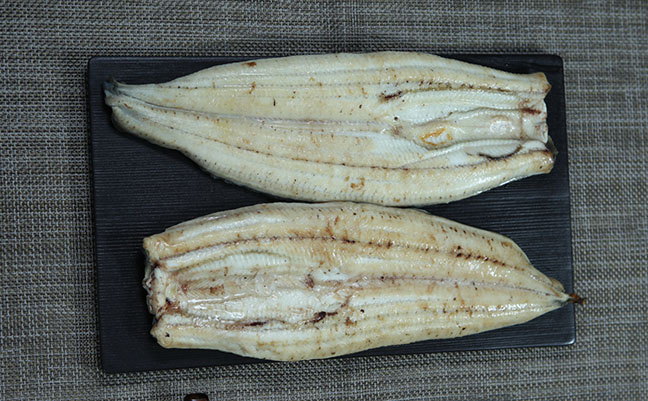
The finish matters. A good glaze should cling to the food, shine under the kitchen light, and bring a deep savory note without tasting like plain soy sauce. Kombu gives the sauce that extra savory body.
Choose the Right Flavor Direction Before You Start
The best conclusion for most home cooks is simple: make a vegan unagi sauce that is balanced for brushing, not a thin dipping sauce. A brushing glaze needs enough body to coat eggplant or tofu and enough sweetness to caramelize gently during reheating.
This approach suits grilled or roasted dishes. It does not suit every use. If you are seasoning soup, noodles, or steamed vegetables, use a lighter sauce and dilute it with more dashi rather than applying a thick glaze.
| Use | Best Sauce Style | Why It Works | When It Does Not Apply |
|---|---|---|---|
| Roasted eggplant | Thicker brushing glaze | Eggplant absorbs flavor and benefits from a sticky outer layer. | Do not apply a heavy glaze too early, or the surface may darken before the eggplant softens. |
| Pan-seared tofu | Moderately reduced sauce | It coats a dry, browned tofu surface without making it soggy. | Do not glaze tofu that has not been dried and browned first. |
| Sushi-style rolls | Smooth, thicker finishing sauce | A small drizzle gives a familiar sweet-savory accent. | Do not soak the rice or nori with sauce; excess moisture weakens the roll. |
| Rice bowls | Medium-bodied sauce | It flavors the topping and a small area of rice beneath it. | Do not pour heavily over all the rice, or the bowl becomes overly salty. |
For a reference point, traditional-style eel sauce is intended for eel dishes and may not meet vegan requirements. Always check the ingredient statement when buying a ready-made product. A homemade vegan version gives you direct control over the stock base and seasoning.
How Combining Kombu Dashi With Soy, Mirin, and Sugar Creates Umami Without Eel or Fish Stock
Kombu is edible kelp commonly used to make dashi. It brings natural savory depth, while soy sauce contributes salt and fermented character, mirin adds sweetness and a gentle rounded note, and sugar helps the sauce develop a lacquered finish.
The practical conclusion is that kombu dashi should be treated as the flavor foundation, not as plain water. Without it, a vegan unagi sauce can taste like a basic sweet soy glaze. With it, the sauce has more depth and stays closer to the rich impression people expect from unagi-style dishes.
| Ingredient | Job in the Sauce | Key Checkpoint | Common Failure |
|---|---|---|---|
| Kombu dashi | Adds savory depth without fish stock. | Use a clean, mild dashi with a clear sea-vegetable aroma. | Boiling kombu aggressively can create a harsh or slippery taste. |
| Soy sauce | Provides salt, color, and fermented savoriness. | Add gradually and taste after the sauce has reduced. | Starting with too much soy makes the finished glaze excessively salty. |
| Mirin | Rounds salty flavors and supports a Japanese-style profile. | Choose a product that fits your dietary requirements. | Using a sweet substitute without adjusting sugar can make the sauce cloying. |
| Sugar | Balances salt and helps the glaze cling. | Dissolve fully before reducing the sauce. | Over-reducing after sugar is added can lead to bitterness or a burnt edge. |
Cold fact: the savory impact of kombu is not the same as fishiness. That is why it is useful when a cook wants a plant-based glaze that still feels full and satisfying. The sea-vegetable note should sit quietly in the background. If it dominates, the dashi is too strong for the amount of soy, mirin, and sugar.
For vegan diners, the limit is clear: kombu dashi delivers umami, but it does not reproduce the texture or natural fat of eel. Build texture separately with roasted eggplant, tofu, mushrooms, or another plant-based topping.
Follow This Practical Method for a Glossy Homemade Glaze
This method is designed for a small home batch of vegan unagi sauce. Use a small saucepan, a spoon, and a heat-safe container for cooling. The goal is a sauce that lightly coats the spoon but still pours in a controlled ribbon.
- Prepare kombu dashi. Soak kombu in cool water until the water carries a gentle sea-vegetable aroma. Warm the liquid slowly, then remove the kombu before the liquid reaches a hard boil. The conclusion: gentle extraction keeps the flavor clean. This is best for a refined sauce; it does not apply if you want a strongly marine-tasting broth.
- Combine the base ingredients. Add kombu dashi, soy sauce, mirin, and sugar to the saucepan. Stir before heating so the sugar begins dissolving evenly. Keep the initial mixture balanced rather than very salty, because reduction will concentrate every flavor.
- Simmer gently. Bring the sauce to a quiet simmer, not a violent boil. Watch for small bubbles and a gradually darker color. A calm simmer gives better control; a hard boil can make the sugar-heavy mixture reduce too fast.
- Check the coating point. Lift a spoon and let the sauce run back into the pan. When it leaves a light coating on the spoon, it is ready for brushing. If it runs like broth, continue simmering. If it feels sticky or candy-like, loosen it with a little kombu dashi.
- Cool before judging. The glaze thickens as it cools. Taste it after resting briefly before adding more sugar or soy sauce. This is where many cooks make the wrong correction: a warm sauce often appears thinner than its cooled final texture.
- Brush in layers. Apply a thin coating to hot eggplant or tofu, then return it to the pan, oven, or grill until the surface shines. Repeat with another light coating instead of adding one heavy pool of sauce.
For eggplant unagi, score the flesh side lightly, roast until tender, then brush with vegan unagi sauce near the end of cooking. The conclusion is that late glazing protects the sugar from scorching. This fits eggplant because its soft interior needs time to cook before the glaze goes on. It does not apply to a fully cooked cold dish, where the sauce should be used only as a finishing drizzle.
For tofu, press away surface moisture first and brown it before glazing. The sauce cannot create a crisp edge by itself. It needs a dry, hot surface to cling to.
Avoid the Flavor Mistakes That Make the Sauce Taste Flat
A vegan unagi sauce is simple, but it is not forgiving when the balance is off. Use this troubleshooting list before starting over.
- Problem: The sauce tastes only sweet. Conclusion: add more savory depth, not only more salt. Use a little more kombu dashi or soy sauce. This works when sugar is masking all other flavors. It does not work if the sauce is already dark and salty from excessive reduction.
- Problem: The sauce tastes too salty. Conclusion: dilute with kombu dashi and return to a gentle simmer. This suits a sauce that was seasoned too heavily before reducing. It does not solve a burnt sauce, which should be discarded.
- Problem: The glaze will not cling. Conclusion: reduce it a little further, then cool and check again. This fits sauces that are thin but balanced. It does not apply if the sauce is watery because it was brushed over wet tofu or eggplant.
- Problem: The flavor tastes harsh. Conclusion: the kombu may have been heated too aggressively, or the soy sauce may be too dominant. Start with a gentler dashi and reduce more slowly next time.
- Problem: The glaze burns on the food. Conclusion: brush later and use thinner layers. Sugar darkens quickly on a hot pan or grill. This is especially relevant for eggplant slices with exposed edges.
If you enjoy comparing sauce styles, our guide to kabayaki sauce recipe flavor mistakes explains how sweetness, salt, and reduction affect a traditional eel-focused glaze. The vegan method uses the same attention to balance, but replaces animal-based stock with kombu dashi.
Use the Sauce on Eggplant, Tofu, and Sushi-Style Dishes
The most useful way to serve vegan unagi sauce is to match it with an ingredient that has either a tender interior or a browned surface. Eggplant offers softness. Tofu offers a clean base. Mushrooms offer chew. Each responds differently to the glaze.
Eggplant unagi-style rice bowl
Roast or pan-cook scored eggplant until soft. Brush with vegan unagi sauce in light layers, then serve over rice with sliced scallion, sesame, or pickled vegetables. The conclusion: eggplant is the closest match when you want a tender, rich-looking centerpiece. Its limit is texture; it does not provide the natural firmness of fish.
Glazed tofu for meal prep
Use firm tofu, dry the surface well, and brown it before adding the glaze. Let the sauce cool slightly before packing so it does not create excess steam in the container. For other make-ahead ideas, see these eel recipes for meal prep and adapt the bowl format with plant-based toppings.
Sushi-style rolls
Use a narrow drizzle of vegan unagi sauce over a finished roll rather than mixing it into the rice. This keeps the rice seasoned but not wet. For roll-building inspiration, this eel sushi roll recipe shows a familiar unagi-style serving format that can be adapted with glazed eggplant or tofu.
Know When a Vegan Sauce and Traditional Eel Sauce Serve Different Needs
A homemade vegan unagi sauce is the right choice for plant-based cooking, ingredient transparency, and vegetable-centered meals. It gives home cooks a practical alternative for eggplant and tofu dishes without eel or fish stock.
Traditional eel dishes have different sourcing and product requirements. Eelpro Co., LTD supplies frozen unagi kabayaki and related eel products for foodservice and export markets. Our production systems include ISO 22000:2018, HACCP, HALAL certification, export food producer registration, an in-house laboratory, and metal detectors at critical control points. For readers preparing seafood-based menus instead, explore our unagi kabayaki product information.
The limit matters: do not present a vegan sauce as a replacement for certified product specifications, import documentation, or foodservice sourcing needs. It is a recipe solution for plant-based cooking. Frozen eel products are a separate category with different handling and compliance considerations.
Once you have made the base recipe, adjust it carefully for your favorite topping and share which pairing worked best for your kitchen: eggplant, tofu, mushrooms, or a sushi-style roll.
 WhatsApp
 sales@chinaeels.com
 +8619937922411