


Every Unakyu Roll Ingredient Has a Job Beyond Eel
You see eel and cucumber on a sushi menu, but what else is tucked inside? A good unakyu roll ingredient list is short, yet each item affects the bite: sweet grilled eel, cool cucumber, lightly seasoned rice, crisp nori, and sometimes a finishing sauce.
That contrast is why unakyu maki feels so satisfying. The eel is rich and savory. Cucumber brings a clean snap. Rice softens the flavors, while nori holds the roll together and adds a gentle sea-like note. For diners checking a menu or home cooks buying ingredients, knowing the role of every unakyu roll ingredient makes ordering and preparation much easier.
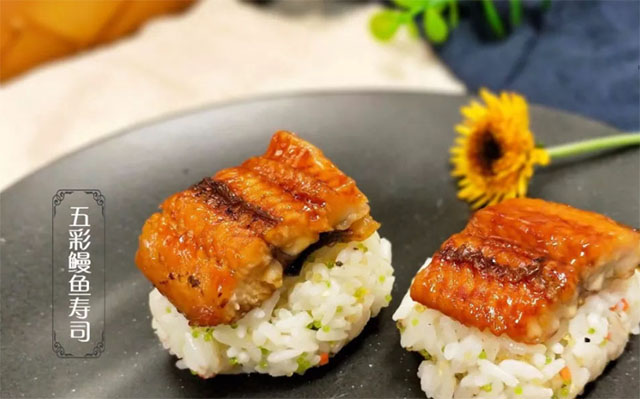
What is normally inside an unakyu roll?
The direct answer is simple: an unakyu roll usually contains grilled eel, cucumber, sushi rice, and nori. Eel sauce may be brushed onto the eel, added inside, or served on top. Some restaurants add sesame seeds, avocado, or a small amount of mayonnaise, but these are variations rather than the basic format.
The safest menu-reading conclusion is this: if a restaurant lists “unakyu,” expect eel and cucumber as the defining pair. Ask before ordering if you need to avoid soy, sesame, mayonnaise, or other additions. Sauce recipes can vary, and a menu description may not list every garnish.
| Component | What it contributes | Typical form | What can vary |
|---|---|---|---|
| Unagi | Richness, sweetness, and the main savory flavor | Grilled kabayaki-style eel strips | Slice size, sauce level, skin-on or skin-off preparation |
| Cucumber | Freshness and crisp texture | Long thin strips | Japanese cucumber, English cucumber, or another low-seed type |
| Sushi rice | Structure and mild seasoning | Seasoned short-grain rice | Rice amount and whether the roll is inside-out |
| Nori | Wrap, aroma, and a clean savory note | Roasted seaweed sheet | Full sheet, half sheet, or nori placed inside an inside-out roll |
| Optional sauce | Extra sweet-savory depth | Eel sauce or unagi tare | Brushed before rolling, drizzled after slicing, or served separately |
When comparing a menu description, treat the unakyu roll ingredient list as a useful baseline rather than a fixed rule. This applies especially to specialty rolls, where the familiar eel-and-cucumber center may be covered with avocado, sauce, or toppings. A basic unakyu roll is usually the better choice when you want to taste the eel clearly. A specialty roll suits diners who prefer a fuller, richer presentation.
Technical breakdown of the core components and common variations
Each unakyu roll ingredient has a practical job. Removing or replacing one item changes more than appearance. The following breakdown helps beginner cooks understand what to keep, what to substitute, and when a substitution no longer tastes like a classic unakyu roll.
| Core component | Main role in the roll | Best choice for a classic result | Common variation | Limit or caution |
|---|---|---|---|---|
| Unagi | Provides the signature grilled, sweet-savory center | Prepared unagi kabayaki with an even glaze | Cut eel pieces, chopped eel, or sauce-light eel | Plain steamed eel gives a different flavor profile |
| Cucumber | Adds moisture, crunch, and contrast to the eel | Firm cucumber cut into long strips | Seeded cucumber with the wet center removed | Soft or watery cucumber can make the rice loose |
| Sushi rice | Forms the body and balances salty-sweet fillings | Seasoned short-grain rice | Less rice for a filling-forward roll | Long-grain rice does not hold the same way |
| Nori | Wraps the filling and adds roasted seaweed character | Fresh, dry roasted nori | Inside-out construction with rice on the exterior | Damp nori becomes hard to cut neatly |
| Optional sauce | Intensifies the grilled eel taste | A light brush of eel sauce | Drizzle on top or sauce served separately | Too much sauce can hide cucumber and nori |
Cold fact: “Unakyu” is a compact name built around its two identity ingredients: unagi, meaning freshwater eel, and kyu, a shortened reference to cucumber. That is why avocado may be welcome in a modern version, but eel and cucumber remain the expected center.
Choose prepared kabayaki when you want the easiest route to a familiar restaurant-style unakyu roll ingredient combination. The eel has already been roasted and sauced, so the cook can focus on clean cutting and balanced assembly. It fits quick family meals, sushi counters, and catering preparation. It does not apply if your goal is a lightly seasoned eel roll with no sweet-savory glaze.
For ingredient sourcing, review the available unagi kabayaki options before choosing a cut format. Eelpro offers frozen roasted eel with custom cutting options, including sushi slices and strip cuts. That can help foodservice buyers match portion format to their own rolling process.
Should an unakyu roll include sauce?
Yes, it can, but it does not have to be heavily sauced. The best choice depends on the eel itself. If the grilled eel already carries a visible glaze, use little or no extra sauce inside the roll. If the eel is lightly seasoned, a small brush of sauce can bring the expected sweet-savory flavor.
For home cooks, the practical rule is to keep sauce controlled. Brush it onto the eel rather than pouring it onto the rice. This keeps the rice from becoming sticky and lets the cucumber remain crisp. The method fits rolls that will be sliced and served soon after assembly. It is less suitable for rolls held for a long period, since cucumber moisture and sauce can both soften the nori.
A ready-made eel sauce is useful when you want a consistent finish across several rolls. It is not a substitute for properly seasoned eel, however. Sauce should support the fish, not cover poor texture or overly dry filling.
For a closer look at seasoning balance, see kabayaki sauce guidance. The central point for an unakyu roll ingredient decision is moderation: sweet sauce belongs in the flavor profile, but cucumber needs room to taste fresh.
How do you choose each unakyu roll ingredient for home preparation?
Buy ingredients in an order that protects texture. Start with eel, then choose cucumber, rice, nori, and sauce. This approach works because eel quality sets the main flavor, while cucumber freshness and nori dryness decide whether the finished roll feels clean or soggy. It is suitable for first-time cooks and small household batches. It does not replace allergen checking, especially for sauces containing soy or wheat.
- Choose prepared eel first. Look for pieces that are intact and evenly glazed. Frozen unagi kabayaki is practical because it provides a familiar grilled flavor without requiring raw-eel cleaning or deboning.
- Select firm cucumber. Choose one with taut skin and firm flesh. Avoid cucumber that feels soft, looks wrinkled, or has a large watery seed center.
- Use seasoned short-grain rice. Rice must hold together while still allowing the eel and cucumber to stand out. If the rice is too wet, the roll may compress rather than slice cleanly.
- Keep nori dry until assembly. Open only what you expect to use. Dry nori is easier to roll and has a better snap before it meets the rice.
- Add sauce with restraint. Apply a thin coating to eel or finish the cut pieces with a light drizzle. Serve extra sauce separately for diners who want more.
For buyers planning repeated preparation, frozen eel can also reduce the need for back-of-house fish processing. Eelpro has two modern production lines for frozen roasted eel and deep-processed aquatic products, a 1,000-ton cold storage facility, and full-chain traceability from registered farming bases through shipment. The facility is certified to ISO 22000:2018, HACCP, and HALAL requirements, with an export food producer registration and SC food production license.
This sourcing approach fits restaurants, importers, and foodservice channels that need prepared eel for standardized menu work. Eelpro supplies kabayaki eel to Japanese restaurant chains and exports unagi kabayaki and eel sauce to US food importers. Product specifications, packaging, and MOQ should still be confirmed for each order rather than assumed from a general product description.
What are the most common unakyu roll mistakes?
The most common unakyu roll ingredient mistakes come from excess moisture and excess sweetness. Both can make a roll look appealing at first but lose its clean contrast after slicing. Use the checklist below before you roll.
- Using watery cucumber: Remove the soft, wet center when necessary. Firm strips work better because they keep their shape. Do not over-trim a naturally crisp cucumber with a small seed area.
- Adding too much sauce: A heavy drizzle can overpower the eel and make the rice slippery. Use extra sauce on the side when diners have different sweetness preferences.
- Overfilling the roll: More eel is not always better. A roll needs enough room for rice and nori to close around the filling. Large fillings suit a hand roll better than a tightly sliced maki roll.
- Choosing stale nori: Nori should smell clean and roasted, not dull or damp. Once softened by humidity, it will not provide the same structure.
- Ignoring the eel cut: Thick chunks can pull out when sliced. Long, manageable strips are easier to distribute across each portion.
Avoid this trap: adding avocado automatically because it appears in many modern sushi rolls. Avocado can make the texture creamy, but it also reduces the crisp contrast that defines the classic eel-and-cucumber pairing. Use it when you want a richer roll; skip it when you want the cucumber to do its job.
Can you make substitutions without losing the character of the roll?
Yes, but substitute around the edges, not at the center. Keep eel and cucumber if you want a roll that still reads as unakyu. You can adjust the rice level, choose an inside-out style, add sesame seeds, or serve sauce separately. These changes suit people who want a familiar flavor with a different presentation.
Replacing cucumber with avocado creates a different type of eel roll. Replacing unagi with another seafood filling removes the defining eel character. These choices can still be tasty, but they do not answer the same menu expectation. When checking a restaurant listing, the phrase unakyu roll ingredient should signal an eel-and-cucumber combination first, with other elements treated as supporting parts.
Beginner cooks who want a rolling walkthrough can use this eel sushi roll recipe as a companion reference. It is especially helpful when your unakyu roll ingredient selection is ready but you need a clearer assembly sequence.
What should diners ask before ordering an unakyu roll?
Ask four direct questions if the menu is brief or if dietary needs matter. This is the fastest way to confirm whether the unakyu roll ingredient list matches what you want.
- Is the eel prepared in kabayaki style, and is it already sauced?
- Is cucumber the only vegetable filling, or are avocado and other toppings included?
- Is sauce served inside the roll, on top, or separately?
- Are sesame, mayonnaise, soy, or wheat-containing ingredients used in the sauce or garnish?
The conclusion is practical: a traditional-style roll favors balance over quantity. Choose it when you want sweet grilled eel, crisp cucumber, rice, and nori in one clean bite. Choose a specialty eel roll when you specifically want richer toppings or more sauce. Neither option is automatically better; they answer different appetites.
If you are sourcing prepared eel or eel sauce for a menu, request a product specification and sample options from Eelpro Co., LTD.