


What Is Unagi Sauce and When to Apply It During Sushi Prep
A beautiful eel roll can turn sticky, soggy, or overly sweet in seconds. The problem is often not the eel. It is the timing of the sauce. If you are asking what is unagi sauce, the useful answer is not only what it tastes like, but when it belongs on the food.
What is unagi sauce in practical sushi preparation? It is a sweet-savory glaze used to support grilled eel, sushi rice, rolls, rice bowls, and selected dipping applications. It should add shine and depth without hiding the eel, soaking the nori, or making the rice collapse.
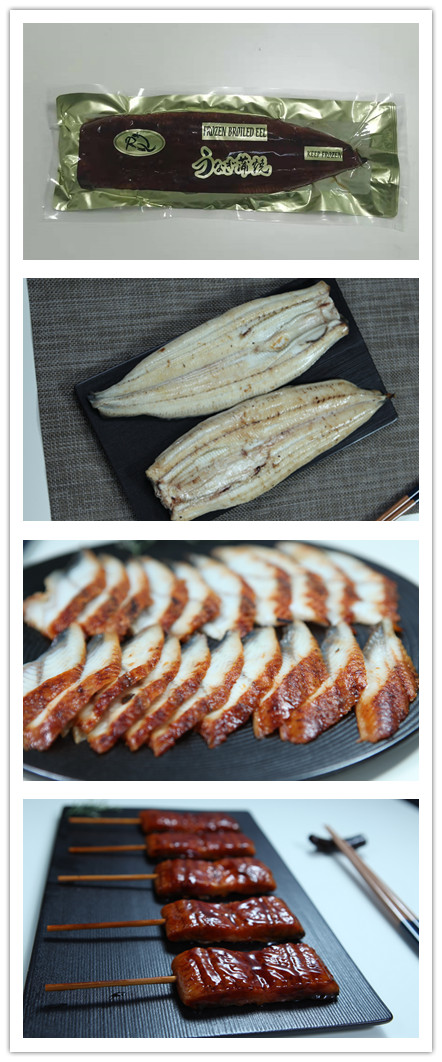
For restaurant operators, sushi chefs, and home cooks, the best eel sauce method depends on the menu format. A brush gives control on hot grilled eel. A light drizzle suits finished sushi. A separate portion gives diners choice and protects crisp or dry components.
The short answer to what is unagi sauce is simple. The better question is where it should go in the assembly line. Sauce applied at the wrong stage can create waste, uneven portions, and an untidy plate.
Know the Role of the Sauce Before You Build the Sushi
When people ask what is unagi sauce, they often expect a flavor definition. In service, it works more like a finishing tool. Its coating quality makes food look glossy, while its sweet-savory profile balances the rich character of roasted eel.
Use it with intention. The conclusion is clear: apply less during assembly and add more only when the finished format can handle it. This approach fits sushi counters, delivery kitchens, rice bowl stations, and home kitchens where portion control matters. It does not apply when a customer specifically requests extra sauce or when the menu concept is designed around a heavier glaze.
- For grilled eel: use the sauce as a surface glaze near the finishing stage so it coats the eel instead of running off the plate.
- For sushi rolls: keep sauce away from the nori seam and rice base whenever possible, because excess moisture can weaken the roll.
- For rice bowls: use a controlled drizzle across the eel and rice, not a pooled layer at the bottom of the bowl.
- For dipping: serve it separately when customers may want to control sweetness, saltiness, or sauce volume themselves.
For buyers sourcing ready-to-heat eel, sauce performance also affects menu consistency. Eelpro produces frozen roasted eel and deep-processed aquatic products through two modern production lines with annual finished-goods capacity of 4,000 tons. Its products are supported by ISO 22000:2018, HACCP, HALAL certification, export food producer registration, and an SC food production license.
If you are pairing sauce with prepared eel, start with a product designed for the menu format. See the available unagi kabayaki options before deciding whether the sauce will be brushed, drizzled, or packed separately.
Choose Whether to Brush, Drizzle, or Serve Unagi Sauce Separately
The answer to what is unagi sauce changes slightly with the dish. The sauce is the same type of finishing component, but its job differs between hot grilled eel, tightly rolled sushi, rice bowls, and dipping service.
| Menu use | Best sauce method | When to apply it | Why this works | When not to use this method |
|---|---|---|---|---|
| Grilled eel portions | Brush | After the eel is hot and just before plating or final finishing | A brush gives an even sushi eel glaze and keeps the surface attractive | Do not brush heavily onto cold eel, because the sauce may sit in thick patches |
| Unagi rolls | Drizzle lightly | After slicing and arranging the pieces | The roll stays easier to cut and the nori is less likely to soften | Do not drizzle before rolling, especially when rice and nori need a firm structure |
| Eel rice bowls | Brush plus a controlled drizzle | Brush the eel first, then finish the plated bowl with a modest drizzle | The eel receives flavor while the rice gets a visible finishing touch | Do not flood the bowl, because the rice can become dense and overly sweet |
| Dipping service | Serve separately | Place beside the food at service | Customers control the amount and crisp side items stay dry longer | Do not rely on a separate cup when the dish needs a glossy finished appearance |
This table answers what is unagi sauce from an operator’s viewpoint: it is not simply “pour-on sauce.” It is a controlled garnish and glaze. The right choice protects texture, keeps portions consistent, and helps a plated item arrive as intended.
Brush It for Hot Grilled Eel
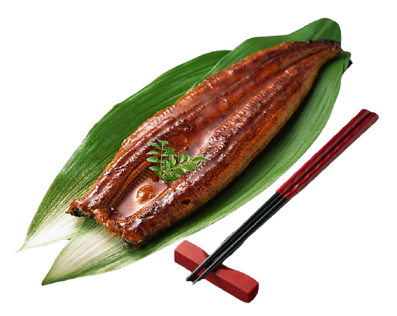
Brushing is the preferred kabayaki sauce application for grilled eel portions. Use a clean food-safe brush and cover the upper surface with a thin, even coat. Start at one end and move in one direction. Avoid repeated back-and-forth brushing, which can drag sauce into uneven streaks.
The reason is simple. A brushed layer gives the eel a polished look without creating a puddle under the fish. This fits a grilled eel plate, nigiri topping, or a prepared portion of unagi kabayaki eel. It is less suitable for a roll that still needs to be shaped or sliced.
When considering what is unagi sauce for grilled eel, think of it as the final coat, not the first step. The eel should remain the center of the bite.
Drizzle It for Finished Rolls
For unagi sauce for rolls, complete the roll first. Slice it with a clean sharp knife, arrange the pieces, then drizzle lightly across the top. Keep the lines narrow and spaced apart. Sauce should sit on the surface, not fill the spaces between pieces.
This method suits inside-out rolls, dragon-style eel rolls, and other rolls where the top surface is visible. It does not suit rolls intended for long holding periods in humid packaging, because any added sauce can gradually affect nori texture.
For a practical reference, the Eel Sushi Roll Recipe Make Unakyu Maki page can help cooks plan how eel fits into a roll before deciding on the final sauce treatment.
Serve It Separately for Crisp or Customer-Controlled Dishes
Serving sauce separately is the safest choice when texture must stay dry. It works well with fried side dishes, crisp vegetables, appetizers, and shared platters. It also suits delivery orders, where sauce applied too early may change the texture before the food reaches the customer.
For diners, what is unagi sauce may be a matter of personal preference. Some want a pronounced sweet-savory finish. Others prefer the natural flavor of eel. A separate sauce portion lets both groups enjoy the same menu item.
Follow a Practical Sauce Sequence for Sushi and Rice Bowl Service
A consistent process matters more than a heavy hand. Use this sequence for how to use unagi sauce across common menu formats.
- Confirm the dish format. Decide whether the menu item is grilled eel, a sliced roll, a rice bowl, or a dipping plate. The format determines the application method.
- Complete all structural preparation first. Shape rolls, place rice, cut portions, and arrange the food before adding sauce. This prevents sticky tools and damaged presentation.
- Choose one main sauce action. Brush for hot eel, drizzle for plated rolls, or serve separately for customer control. Combining all three usually creates excess sauce.
- Check the surface. The sauce should look like a thin finish, not a thick blanket. If it gathers at the base of the food, reduce the next portion.
- Pack carefully for delivery. When texture matters, use a separate sauce container rather than coating the food well before service.
This process gives a useful answer to what is unagi sauce in a working kitchen: it is a finishing component that should follow cutting, shaping, and plating rather than interrupt them.
For rice bowls, brush the eel portion first and then make a restrained drizzle over the top. The conclusion is that two light applications can work better than one heavy pour. This approach fits bowls where the eel needs shine and the rice needs a small flavor cue. It does not fit bowls already carrying multiple wet toppings or a broth-like component.
If your menu includes eel noodle dishes, sauce should be handled even more carefully. A concentrated glaze can dominate a delicate broth. Review this eel recipes guide before adapting sauce methods for noodle service.
Avoid These Common Unagi Sauce Mistakes
Knowing what is unagi sauce does not prevent mistakes by itself. The most common problems come from timing, portioning, and using the same method for every dish.
- Mistake: Saucing the nori before rolling.
Why it fails: nori can soften and lose its clean bite.
Better method: keep the sauce for the top of the finished roll or serve it separately. - Mistake: Pouring sauce under grilled eel.
Why it fails: the eel may slide and the plate can look messy.
Better method: brush the upper surface, then use only a small finishing amount if needed. - Mistake: Using one heavy portion for every customer.
Why it fails: sweetness preferences differ, particularly across mixed customer groups.
Better method: standardize a modest base application and offer extra sauce separately. - Mistake: Adding sauce before cutting rolls.
Why it fails: the knife can drag sticky sauce across the rice and blur the pieces.
Better method: slice first, arrange second, drizzle last. - Mistake: Treating sauce as a substitute for eel quality.
Why it fails: too much glaze can hide rather than improve the product.
Better method: use well-prepared eel and let the sauce support its flavor.
Here is a useful food fact: what is unagi sauce often gets confused with a universal sauce for all sushi. It is not. Plain fish sushi, delicate seafood, and items with acidic or creamy toppings may need no eel glaze at all. Use it where its sweet-savory profile supports the main ingredient, especially roasted eel.
Eelpro applies export quality standards to domestic sales and maintains full-chain traceability from farming registration through process verification and shipment tracking. The company works with approximately 20 customs-registered eel farming bases covering more than 2,150 mu, supported by an in-house laboratory and metal detectors at critical control points. These controls matter to buyers who need documented supply standards alongside consistent menu preparation.
Use a Simple Buyer Checklist Before Selecting Eel Sauce and Kabayaki
For purchasing teams, what is unagi sauce should be considered together with the eel format, menu workflow, and customer service model. A sauce choice is not separate from the product it finishes.
- Choose the eel cut first: whole portions, sushi slices, strips, chunks, diced eel, and other formats need different finishing methods.
- Identify the service channel: dine-in rolls can take a final drizzle, while delivery items may benefit from separate sauce packing.
- Set a visual standard: define whether the menu requires a thin glossy coat, visible drizzle lines, or sauce on the side.
- Ask for product specifications: confirm packaging format, intended use, and order requirements before planning a large menu rollout.
- Review food safety documentation: Eelpro holds ISO 22000:2018, HACCP, HALAL certification, export food producer registration, and an SC food production license.
The practical meaning of what is unagi sauce is therefore tied to placement. Brush it when hot eel needs a glossy finish. Drizzle it after rolls are sliced. Use a controlled finish for rice bowls. Serve it separately when crisp texture or diner choice comes first.
For more ideas on balancing glaze, eel, and rice, see the kabayaki sauce article. If you are sourcing frozen eel or unagi tare for restaurant service, request a product specification or sample consultation from Eelpro Co., LTD.