


Why Your Eel Roll Falls Apart and How to Fix It
As a food safety and quality specialist, I've spent over a decade helping foodservice clients in Japan, the United States, and the EU meet rigorous import standards. A recurring challenge I see, however, isn't about compliance but about application: the structurally unstable eel roll. You assemble a beautiful roll, but upon slicing, the fillings—especially the glazed unagi and crisp cucumber—slide out, ruining plate presentation and creating waste. This is a fixable problem rooted in moisture management.
The issue often stems from excess water from the rice, the unagi glaze, or the vegetables. When these wet surfaces meet, they create a slippery layer that prevents the ingredients from adhering to the nori and each other. For high-volume kitchens supplying restaurant chains in Europe or catering services in Southeast Asia, this inconsistency is costly. Understanding the source of the moisture is the first step to creating a stable, perfectly sliced eel roll every time. At Eelpro, where we produce 4,000 tons of finished goods annually, we know that product consistency starts long before assembly.
Troubleshooting Filling Slippage: A Moisture Management Guide
When an eel roll collapses during slicing, the immediate cause is almost always excess moisture creating a lubricant-like effect between the fillings. The key is to diagnose the source correctly before you adjust your entire process. Based on my experience auditing kitchen procedures for our export clients, here is a systematic way to identify and solve the problem.
Review this diagnostic table. Start with the most common symptom and work your way down. Each issue has a distinct signature.
| Symptom | Primary Moisture Source | Corrective Action | When This Solution Applies Best |
|---|---|---|---|
| Entire filling slides out as one block | Sushi Rice | Your sushi rice is likely too wet or was spread while still too warm, creating steam. Allow rice to cool completely to room temperature (around 20-25°C). Ensure your rice-to-vinegar ratio is correct; excess vinegar adds moisture. | This is the fix if the nori appears damp and has lost its crispness before you even start rolling. |
| Only the eel and cucumber slip out | Unagi Glaze & Vegetables | The unagi has too much surface glaze, and the cucumber wasn't properly dried. Lightly pat the glazed unagi with a paper towel before placing it. For cucumber, de-seed it and pat the cut strips thoroughly dry. | Apply this when the rice and nori feel fine, but the core ingredients are the only ones moving. |
| Roll feels loose and squishy; difficult to get a clean cut | Combined Moisture | This is a systemic issue. All components are contributing a little excess moisture. Implement all corrective actions: cool rice fully, pat unagi dry, de-seed and dry vegetables, and apply less pressure when rolling initially to avoid squeezing water out. | Use this approach when no single ingredient is obviously "wet," but the final roll lacks structural integrity. |
| Nori sheet becomes torn or gummy during rolling | Hand Moisture & Rice Steam | Wet hands are transferring too much water to the nori, or hot rice is steaming it from the inside. Keep a bowl of water and a towel (tezu) nearby to keep hands damp but not dripping. Let rice cool. | This is crucial in high-humidity kitchen environments or when chefs are working quickly through large batches. |
By isolating the cause, you avoid over-correcting. For instance, drying out your rice excessively will only create a new problem—a crumbly, unpleasant texture. Precision is key.
Ingredient Preparation Standards for a Structurally Sound Eel Roll
A stable roll is built on a foundation of well-prepared ingredients. For our foodservice partners in markets like Australia and Germany, consistency is non-negotiable. Applying manufacturing-level quality control to your prep station can eliminate most structural issues before assembly even begins.
Here is a checklist for preparing your core components. Following these steps ensures each ingredient contributes to structure, not slippage.
Ingredient Prep Checklist for Optimal Roll Stability
- Frozen Unagi Kabayaki:
- Thaw Properly: Thaw under refrigeration, not at room temperature. This prevents the flesh from becoming mushy and releasing excess water.
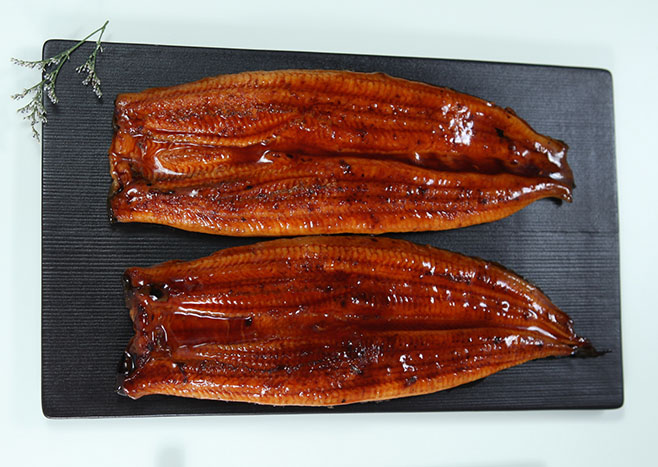
- Blot Excess Sauce: Our unagi kabayaki uses a four-layer coating process for deep flavor. While delicious, excess surface glaze is the primary lubricant in a roll. After heating, gently blot the unagi with a paper towel to remove surface liquid without stripping the flavor.
- Cut to Size: Use consistently sized pieces. Eelpro offers custom cutting services (shredding, dicing, sushi slices) to ensure uniformity, which is vital for balanced rolling.
- Sushi Rice:
- Use the Right Grain: Select a high-quality short-grain sushi rice with sufficient starch content to ensure stickiness.
- Cool Completely: Never use warm rice. Spreading warm rice on nori creates steam, which wilts the nori and creates a wet barrier between it and the fillings.
- Spread Thinly and Evenly: A thick layer of rice holds more moisture and makes the roll harder to close tightly. Leave a 1-inch border at the top of the nori sheet.
- Vegetables & Other Fillings (e.g., Cucumber, Avocado):
- De-Seed Cucumbers: The watery, seeded core of a cucumber is a major source of moisture. Always scoop it out before julienning.
- Pat Dry: After cutting, lay vegetable strips on a dry paper towel to absorb surface water. This is a critical, often-skipped step.
- Slice Avocado Fresh: Prepare avocado just before rolling to prevent browning and the release of watery enzymes.
Treating ingredient prep with this level of detail transforms roll-making from an art into a reliable process, essential for any professional kitchen.
How Supplier Quality Impacts Your Final Product
The quality of your raw materials directly influences the final dish. As an unagi kabayaki manufacturer serving global markets, we engineer our products to perform consistently in professional kitchens. The challenges you face during assembly can often be traced back to the supplier's production process.
Our facility is ISO 22000:2018, HACCP, and HALAL certified, and we operate under strict export registrations. This framework is designed to control variables that affect not just safety, but also product performance. For instance, our patented low-fat roasting and deodorizing technology results in a firmer eel texture that holds its shape and releases less oil and water upon heating. This is a small detail that makes a big difference in a delicate preparation like an eel roll.
Furthermore, our full-chain traceability, linking over 20 customs-registered eel farming bases to our processing lines, ensures the raw material itself is of a consistent quality. Monitored by our 25-person quality control team and in-house eel lab, the eel has a predictable fat-to-protein ratio. This consistency means you get the same performance from every case, whether you're a restaurant chain in Japan or an importer in Poland.
When sourcing frozen eel, ask potential suppliers about:
- Sauce Application Process: Is it a single, heavy dip or a multi-layered bake? Our 4-layer process bakes the sauce into the eel, reducing surface wetness. The flavor is infused, not just sitting on top.
- Freezing Method: Is it blast-frozen to minimize ice crystal formation? Large ice crystals damage the cell structure, causing the eel to release more water when thawed.
- Cutting and Sizing Options: Can they provide standardized, boneless cuts? This saves significant back-of-house labor and ensures every roll has the same eel-to-rice ratio.
A reliable supplier provides a product that is already optimized for your kitchen's success. The product should meet not only food safety standards like those for HACCP but also the practical standards of a busy chef.
Assembly and Slicing Techniques for Clean, Stable Rolls
With perfectly prepped ingredients, the final step is assembly. The goal is a compact roll that holds together under the pressure of a sharp knife.
Rolling for Structure:
- Position the Fillings: Place your fillings in a tight line about one-third of the way up from the bottom of the nori sheet. Don't overload it.
- The Initial Tuck: Lift the edge of the bamboo mat (makisu) closest to you. Roll it over the fillings, using your fingers to tuck the fillings tightly into a cylindrical shape. This initial tuck is the most important part for creating a solid core.
- Apply Even Pressure: Continue rolling forward, applying gentle but firm and even pressure with the mat. This compacts the roll without squeezing moisture from the ingredients.
- Seal the Edge: Lightly moisten the top border of the nori with a single grain of rice or a drop of water to seal the roll.
Slicing for Presentation:
A common mistake is using a dull or sticky knife. A clean cut prevents the roll from being crushed or torn.
- Use a Sharp, Long Blade: A Japanese yanagiba knife is ideal, but any sharp, non-serrated knife will work.
- Keep the Blade Damp and Clean: Before each cut, dip the tip of the knife in water and let the water run down the blade. This prevents the starchy rice from sticking. Wipe the blade clean with a damp cloth between cuts to remove any residue.
- Cut with a Single, Fluid Motion: Don't saw back and forth. Place the tip of the knife on the roll and pull it back towards you in one smooth movement. For thicker rolls, you can gently push forward to finish the cut.
These techniques, combined with high-quality ingredients, will produce a professional, stable, and visually appealing eel sushi roll every time, minimizing waste and ensuring customer satisfaction.
For foodservice businesses looking for a reliable supply of standardized, high-performance unagi kabayaki that meets stringent international food safety standards, our team can provide detailed specifications and samples. Contact us to discuss your requirements.