


Unagi How to Cook Without the Skin Sticking to the Grill
That beautiful unagi fillet hits the grill, the glaze starts to shine, and then the skin tears away with the first lift. Frustrating. The answer to unagi how to cook without sticking is usually not more sauce or more oil. It is a better order of operations.
Unagi skin sticks when the grill grate, skin surface, oil film, and flipping timing are working against each other. A fillet can look ready, smell wonderful, and still cling hard to the grill. Once the skin breaks, the flesh can split, the glaze can burn, and a clean restaurant-style presentation becomes difficult.
For cooks searching unagi how to cook, the first rule is simple: prepare the skin before you prepare the glaze. Skin needs a dry contact surface and a properly heated grate. Sauce comes later.
Choose the Right Unagi Product Before You Start Grilling
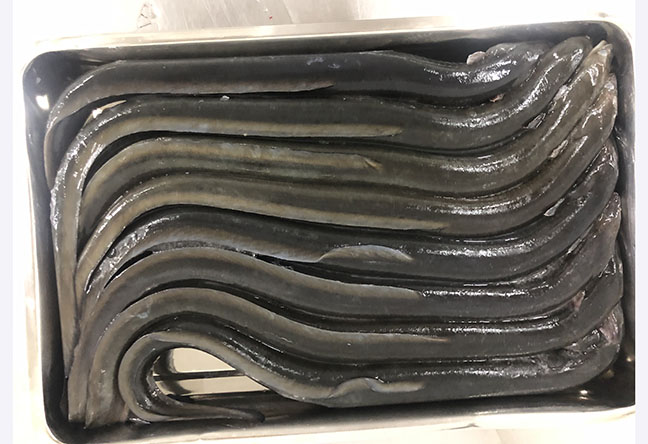
The best method depends on whether you are working with raw freshwater eel, white-roasted eel, or frozen kabayaki. Do not use the same grill method for every format. A frozen kabayaki fillet has already been roasted and seasoned, while raw eel needs a different preparation process and food-safety control.
When considering unagi how to cook, check the package description first. If the product is frozen kabayaki, treat the grill as a reheating and finishing tool. The aim is to warm the fillet gently, preserve the skin, and refresh the glaze. If the fillet is raw or white-roasted, follow the product supplier’s handling and cooking instructions instead of copying a kabayaki method.
| Unagi format | Best grill goal | Skin-side approach | What not to do |
|---|---|---|---|
| Frozen kabayaki | Warm through and renew surface shine | Use gentle heat and keep sauce light until late in cooking | Do not place a cold, wet fillet directly on a sticky grate |
| White-roasted eel | Create light browning before glazing | Start with a clean, lightly oiled grate | Do not brush heavy sauce onto the skin first |
| Raw freshwater eel | Cook according to supplier instructions before finishing | Use equipment and handling suitable for raw seafood | Do not assume a reheating method is sufficient |
| Recipe-kit unagi | Follow the kit’s intended heating method | Use grilling only if the package supports it | Do not remove packaging instructions to improvise too early |
A reliable source of prepared eel makes the decision easier. Eelpro supplies unagi kabayaki for buyers seeking consistent cuts and ready-to-heat formats. For home cooks, consistent portion thickness also makes grill behavior easier to predict.
Prepare the Fillet and Grill in the Right Order
The practical answer to unagi how to cook begins before the eel touches the grate. Do not rush from freezer to fire. Surface moisture is one of the main reasons skin binds to metal.
- Read the package instructions first. This is especially important for frozen kabayaki and recipe-kit eel. The product may be intended for oven heating, pan warming, steaming, or grilling.
- Thaw only as directed by the supplier. Avoid leaving seafood at room temperature for long periods. Use clean utensils and keep raw and ready-to-eat foods separate, consistent with food safety guidance.
- Pat the skin dry. Use clean kitchen paper and press gently. Do not scrape the skin. The goal is to remove loose moisture, not remove the natural surface layer.
- Clean the grill grate. Burnt sugar, old oil, fish fragments, and charred glaze are all sticking points. Brush the grate while it is hot enough to release residue, then wipe it carefully.
- Heat first, oil second. Apply a light oil film to the grate after heating it. Excess oil can smoke, drip, and create uneven contact.
- Place the skin down and wait. Let the fillet form a stable surface before attempting to move it. If it resists lifting, do not force it.
- Glaze near the end. Brush a thin layer of sauce onto the flesh side after the fillet has released more easily. Build shine gradually rather than adding a thick sugary layer at the start.
For unagi how to cook, this order fits grilled kabayaki and white-roasted fillets. It does not replace supplier instructions for raw eel, unusually thick cuts, or products packed with their own heating tray.
Diagnose Sticking by Checking Heat, Oil, Moisture, and Flipping
If the skin is sticking, troubleshoot in a fixed order. For unagi how to cook, check the grate before blaming the fish. A weak release usually begins with the cooking surface, then the fillet surface, and finally handling.
| Check first | Symptom | Likely cause | Corrective action | Limit of the fix |
|---|---|---|---|---|
| Grate temperature | Skin grabs immediately and leaves dark patches on the grate | The grate is not sufficiently heated, so proteins attach before the surface sets | Preheat until the grate is evenly hot, then add a light oil film before placing the eel down | More heat is not always better; excessive heat can scorch sweet glaze and dry the flesh |
| Oiling | Some areas release while other areas tear | Oil coverage is uneven, or old residue is blocking direct contact | Clean the grate, then wipe on a thin, even coating of suitable cooking oil | Do not soak the grate in oil; dripping oil can create flare-ups and bitter smoke |
| Skin moisture | Steam rises quickly and the skin looks pale or wet | Surface water is preventing proper contact and encouraging sticking | Pat the skin dry before grilling and avoid adding sauce to the skin side at the beginning | This does not apply if the product instructions specifically require steaming or a moist heating method |
| Early flipping | The fillet tears when lifted, even though the grill is clean | The skin has not released naturally from the grate | Wait, then test one edge with a thin spatula. Lift only when the fillet gives way with little resistance | Do not keep pressing or dragging the eel across the grate while waiting |
This is the most useful troubleshooting sequence for unagi how to cook: inspect the grate, check the oil film, dry the skin, then judge whether the fillet is ready to move. Do not start by adding more sauce. Sauce often makes sticking worse because its sugars darken and bond to the grate.
Cold fact: the skin is not the enemy. Properly handled eel skin can act as a protective layer, helping the soft flesh stay together while it warms. The problem is usually the combination of wet skin, residue, and impatient flipping.
Use Sauce Without Gluing the Fillet to the Grate
Sauce is where many cooks lose control. In unagi how to cook, thick glaze belongs near the finish, not at the start. Kabayaki-style sauce contains ingredients that caramelize quickly, which is excellent for color and aroma but risky on direct grill contact.
Use a thin brush layer on the flesh side first. Let it set briefly without repeatedly turning the fillet. Add another light layer only when the first one looks glossy rather than wet. This produces a cleaner finish than flooding the grill with sauce.
If you want a separate finishing sauce for rice bowls, sushi rolls, or serving plates, explore Eelpro’s eel sauce options. A sauce served after grilling gives diners more flavor control and keeps the grate cleaner.
For unagi how to cook, avoid brushing sauce onto the skin unless your recipe specifically calls for it. Skin-side sauce can drip, burn, and create the exact sticky surface you are trying to avoid.
Match the Cooking Method to Your Equipment
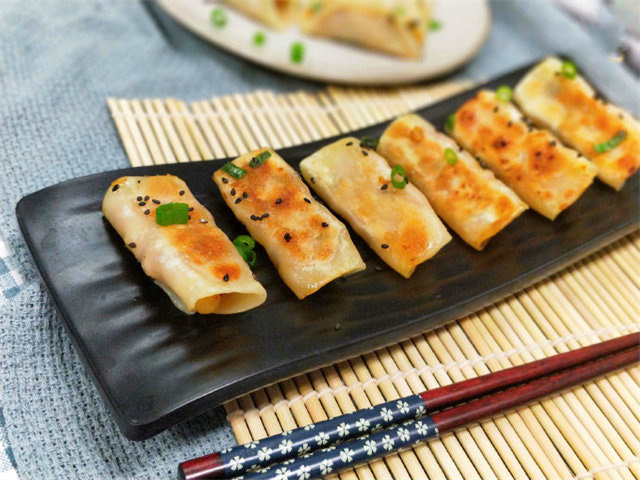
A charcoal grill, gas grill, grill pan, broiler, oven, and air fryer do not behave the same way. The right choice depends on whether your priority is grill aroma, intact skin, fast reheating, or easy cleanup.
| Cooking equipment | Best for | Main benefit | Main risk |
|---|---|---|---|
| Outdoor grill | Smoky aroma and visible grill marks | Strong direct heat when managed carefully | Skin sticking and glaze burning on dirty grates |
| Grill pan | Small portions and indoor cooking | More control over the fillet | Uneven contact if the pan is crowded |
| Oven or broiler | Frozen kabayaki reheating | Less direct contact with metal grates | Glaze can darken too quickly near the heating element |
| Air fryer | Convenient small-batch heating | Fast surface warming | Skin can dry if cooked beyond the package direction |
When people ask unagi how to cook for a dinner bowl, an oven or broiler can be a better choice than an open grill if skin preservation matters more than smoke aroma. This is especially true for delicate, pre-cooked kabayaki portions. A grill remains the better fit when you can keep the grates clean and control the glaze.
Avoid These Common Unagi Grilling Mistakes
Small mistakes can ruin an otherwise excellent fillet. Use this list before your next attempt at unagi how to cook.
- Putting frozen eel straight onto the grate: This often creates excess moisture and uneven heating. Follow the supplier’s thawing or heating instructions instead.
- Using a dirty grill: Old burnt sauce acts like glue. Clean the grate before each batch.
- Adding too much oil: A thin film helps. Pools of oil create smoke and unstable heat.
- Pressing the fillet down: Pressure squeezes tender flesh and encourages tearing. Let the grill do its work.
- Flipping repeatedly: Every turn increases the chance of a broken fillet. Turn only when there is a clear reason.
- Glazing too early: Sweet sauce should build color near the end, not burn on the grate at the beginning.
- Ignoring product format: Frozen kabayaki, raw eel, and white-roasted eel need different handling.
For more serving ideas after you master unagi how to cook, try an eel rice bowl toppings guide. Rice bowls are forgiving because the fillet can be served whole, sliced, or in neat strips over warm rice.
Quick Questions Home Cooks Ask About Sticky Unagi Skin
Should I grill unagi skin-side down first?
For unagi how to cook on a grill, skin-side down is often the practical starting point because the skin protects the soft flesh. Use this approach only on a clean, preheated, lightly oiled grate. If your package says to heat the product in a tray, oven, or pan, follow that direction instead.
Why does the skin tear even when I oil the grill?
For unagi how to cook, oil alone cannot solve moisture, residue, or premature flipping. Check whether the skin was patted dry, whether old glaze remained on the grate, and whether you tried to lift the fillet before it released naturally.
Can I use sauce as a marinade before grilling?
You can, but it is not the best choice when the goal is intact skin. For unagi how to cook with a clean grill finish, keep sugary sauce on the flesh side and apply it late. Serve extra sauce separately if you want a stronger flavor.
Eelpro applies export-focused quality control across its eel supply chain, from registered farming bases through processing and traceability. Its facility operates under ISO 22000:2018, HACCP, HALAL certification, export food producer registration, and an SC food production license. For buyers sourcing prepared eel products, those controls matter because stable product handling supports more predictable results in the kitchen.
If you are comparing frozen kabayaki formats or planning a grilled eel menu, request product guidance or a sample specification from Eelpro.