


Why Your Eel Unagi Sauce is Too Thin and How to Fix It
You've combined the classic ingredients—soy sauce, mirin, sake, and sugar—and simmered them patiently. Yet, the final eel sauce remains disappointingly thin, refusing to cling to grilled unagi or coat a sushi roll with that signature glossy finish. This common issue in both restaurant kitchens and food production facilities stems from a misunderstanding of the physics behind a proper reduction. A perfect eel unagi sauce is a balance of evaporation, sugar concentration, and temperature control.
As a quality specialist with over a decade in seafood export, I've seen how inconsistent sauce can impact a final product's appeal and shelf stability. For importers and distributors supplying foodservice clients, a sauce that performs reliably is non-negotiable. This guide explains the science behind eel sauce consistency, provides a troubleshooting framework to diagnose and fix a thin batch, and outlines the quality standards we apply to ensure commercial-scale reliability.
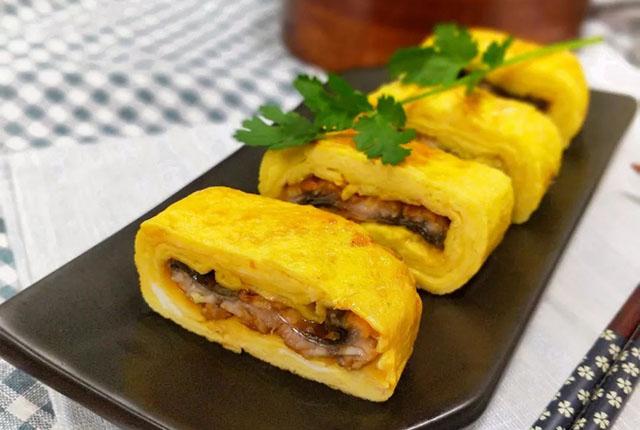
Diagnosing Eel Sauce Consistency: A Troubleshooting Framework
The transformation of a watery liquid into a viscous glaze depends on three factors: heat, surface area, and sugar concentration. When your sauce doesn't thicken, one of these variables is out of balance. Before you consider adding starches or other thickeners—which can alter the authentic flavor and texture—use this framework to identify the root cause.
Think of it as a process of elimination, starting with the most common and easiest-to-fix issues.
| Symptom | Primary Cause | Diagnostic Check | Corrective Action |
|---|---|---|---|
| Watery & Light-Colored Sauce runs off a spoon immediately. Lacks deep brown color. |
Insufficient Reduction | Has the sauce simmered long enough to evaporate a significant portion of its water content (typically 30-50% of the original volume)? | Continue simmering at a low, steady temperature. To speed up evaporation, switch to a wider, shallower pan to increase the surface area exposed to air. |
| Slightly Thin but Flavorful Tastes right but doesn't have the syrupy cling you need. |
Low Sugar Concentration or Incorrect Sugar | What is the ratio of sugar to liquids (soy sauce, mirin, sake)? Is the sugar fully dissolved? Low-quality or coarse-grain sugar can dissolve slowly. | Gradually add more sugar, stirring until fully dissolved. For every 250ml of liquid, an additional 1-2 tablespoons can make a difference. Allow it to simmer for another 5-10 minutes. |
| Looks Thick When Hot, Thin When Cool The sauce appears perfect in the pan but loses its viscosity after cooling to room temperature. |
Misjudging Hot Viscosity | Did you test the consistency after letting a small sample cool? Sugar syrups are always thinner when hot. | Perform a "plate test": place a drop of sauce on a cold plate and let it sit for 30 seconds. If it holds its shape without running, it's ready. If not, it needs more reduction. |
| Simmered for Hours, Still Thin Despite a long cook time and significant volume loss, the sauce won't thicken. |
Excessively Low Heat or Covered Pan | Is the heat so low that there's minimal steam? Is the pot covered, trapping moisture and preventing evaporation? | Increase the heat just enough to maintain a gentle, consistent simmer (not a boil). Remove the lid completely to allow water vapor to escape. |
Common Mistakes in Unagi Sauce Thickening
Achieving the perfect kabayaki glaze involves more than just simmering ingredients. Certain procedural errors can sabotage your efforts, leading to a thin or even burnt sauce. Avoiding these common mistakes is key to consistency, especially when preparing larger batches for foodservice.
- Boiling Instead of Simmering: A rolling boil is too aggressive. It can cause the sugars to caramelize too quickly and burn before the sauce has properly reduced, resulting in a bitter flavor and poor texture. The ideal temperature maintains gentle bubbles at the surface, promoting steady evaporation without scorching.
- Using Low-Quality Ingredients: The final sauce is only as good as its components. Low-sodium or synthetic soy sauces often lack the body and protein content of traditionally brewed versions, which contribute to the final texture. Similarly, using "mirin-style" seasonings instead of true mirin can affect the sugar balance and final gloss.
- Forgetting to Stir: As the sauce reduces and sugar concentration increases, the bottom of the pan is prone to scorching. Intermittent stirring, especially in the later stages, ensures even heat distribution and prevents burnt spots that would ruin the entire batch.
- Adding Cornstarch Prematurely: While a cornstarch slurry is a quick fix for unagi sauce thickening, it's not a traditional component and can create a slightly cloudy appearance and a gelatinous texture when cooled. It should only be a last resort. If used, mix it with cold water before adding it to the hot liquid to prevent lumps.
- Ignoring the Cooling Effect: As highlighted in the table above, the most frequent error is judging the sauce's final consistency while it is still hot. A sauce that perfectly coats the back of a hot spoon will become significantly thicker and syrupy once it cools to room temperature. Always test a cooled sample.
Scaling Production: Lab Consistency vs. Commercial Reality
Making a small batch of eel sauce in a kitchen is one thing; producing hundreds or thousands of liters for commercial distribution is another challenge entirely. At Eelpro, we bridge this gap by applying rigorous process controls that replicate the quality of an artisanal sauce at an industrial scale. Our unagi kabayaki eel products, popular with restaurant chains in Japan and food importers in the United States, depend on this consistency.
Maintaining a perfect sushi sauce reduction across a 4,000-ton annual production capacity requires more than just a large pot. Our process is built on validated parameters:
- Raw Material Standardization: We source soy sauce and other ingredients based on strict specifications for brix (sugar content), salinity, and viscosity. Every incoming batch is tested in our own professional laboratory to ensure it meets our baseline.
- Automated Temperature Control: Our cooking vessels use precise temperature probes and automated controls to maintain the ideal simmering temperature, preventing scorching and ensuring consistent evaporation rates from batch to batch. This is part of the same quality system that governs our frozen roasted eel production lines.
- Timed Reduction Cycles: Instead of relying on visual checks alone, our production cycles are timed based on batch volume and validated evaporation rates. This ensures each batch reaches the target concentration and viscosity every time.
- Patented Technology: Our unique 4-layer soy-sauce coating process for unagi kabayaki requires a sauce with specific adhesive properties. Our patented low-fat roasting and deodorizing technologies are complemented by a sauce that is engineered to glaze perfectly without becoming greasy.
This level of control, backed by our ISO 22000:2018, HACCP, and HALAL certifications, gives our B2B clients in Germany, Poland, and across the European Union confidence that the product they import will meet their customers' expectations for taste and quality.
Quality Control from Farm to Final Glaze
The quality of an eel sauce is intrinsically linked to the product it will coat. A superior sauce cannot rescue a poorly sourced eel, and a high-quality eel deserves a glaze that enhances, not masks, its flavor. At Eelpro, our quality commitment is a full-chain system.
It starts at our ~20 customs-registered eel farming bases. With full traceability from farm to shipment, we ensure our raw materials are free from prohibited veterinary drug residues and meet the stringent food inspection standards of Japan, the US, and the EU. This minimizes trade risks for our international partners.
This same philosophy applies to our sauce. The final product is not just a condiment; it's a critical component of our ready-to-heat frozen eel supplier solutions. By providing a perfectly balanced, consistently thick kabayaki glaze on our products, we reduce back-of-house labor for foodservice clients. The boneless, deboned, and precisely cut eel portions arrive ready to use, coated in a sauce that performs reliably under heat lamps and in various culinary applications, from donburi bowls to creative eel sushi roll recipe variations.
Whether you are troubleshooting a small batch in your kitchen or sourcing a reliable supplier for thousands of cases, the principles of a great eel unagi sauce remain the same: quality ingredients, precise temperature control, and a deep understanding of the reduction process.
For a consistent, export-grade unagi sauce that meets international food safety standards, contact our team for product specifications or to request a sample.