

Why Your Unagi Don Recipe Results in a Soggy Rice Bowl
You've sourced premium eel, cooked the Japanese rice perfectly, and assembled a beautiful bowl. Yet, when you take the first bite, the bottom is a wet, mushy disappointment. This is a frustratingly common problem for many chefs and foodservice operators. The culprit is rarely a single mistake, but a chain reaction of moisture migration. A great unagi don recipe is less about fancy ingredients and more about controlling water, steam, and sauce from the moment you heat the eel to the second it's served.
As a quality specialist who has helped dozens of overseas clients meet exacting standards for Japanese, US, and EU markets, I've seen how small process errors can impact the final dish. The good news is that achieving a perfectly fluffy, flavorful unagi don is entirely possible. It requires understanding the three sources of excess moisture and how to manage them during assembly.
The Science of Soggy: How Moisture Migrates in an Eel Bowl
A soggy unagi don is a classic example of uncontrolled moisture. The texture collapse happens when water from three potential sources pools at the bottom of the bowl, breaking down the structure of the cooked rice grains. Identifying the source is the first step to fixing it.
The primary culprits are:
- Excess Sauce Application: This is the most obvious cause. Many recipes call for a generous pour of sauce, but a thin, low-viscosity eel sauce or simply too much of it will immediately saturate the rice bed, turning it into a dense, wet mass. The goal is for the sauce to glaze the eel and lightly season the rice, not drown it.
- Trapped Condensation (Steam): When a hot piece of broiled unagi is placed on a bed of hot rice and the bowl is immediately lidded, steam is trapped. This condensation has nowhere to go. It softens the crisp skin of the eel, making it slick, and rains down onto the rice, creating a gummy texture. This is a major issue in takeaway and delivery operations.
- Waterlogged Rice: The problem can start before the eel even enters the picture. If rice is cooked with too much water or isn't allowed to rest properly after cooking, its grains are already oversaturated. They have no capacity to absorb the light drippings from the eel and sauce, so any additional moisture immediately turns the bowl watery.
Understanding these three factors is key. You aren't just making a dish; you are managing a delicate balance of moisture to preserve the distinct textures of the fluffy rice and the tender, savory eel.
Troubleshooting Your Unagi Don: A Diagnostic Checklist
Before changing your entire unagi don recipe, diagnose the specific failure point. Use this boundary-focused troubleshooting guide to identify the root cause. Start by examining the component that is assembled first—the rice—and work your way up.
This methodical approach saves time and prevents you from "fixing" a part of the process that was never broken. As an ISO 22000 and HACCP certified auditor, I apply this same principle of isolating variables to solve quality issues in our production lines.
Here is a diagnostic table to pinpoint the problem:
| Symptom | Probable Cause | Diagnostic Question | Solution |
|---|---|---|---|
| The entire rice bed is uniformly wet, heavy, and dark with sauce. | Excess Sauce Application | Did you pour a large amount of sauce directly over the rice before or after adding the eel? | Apply sauce only to the eel, ideally brushing it on as a final glaze. The natural drippings are enough to season the top layer of rice. If you must add more, use a very light drizzle from a squeeze bottle. |
| The rice is gummy and sticky, and the eel skin is soft and slick instead of slightly crisp. | Trapped Steam | Was the bowl lidded immediately after placing the hot eel on the hot rice? | Allow the assembled bowl to vent for 60-90 seconds before covering. This lets the initial burst of intense steam escape, preserving the eel's texture and preventing condensation from soaking the rice. |
| A distinct puddle of liquid is at the very bottom of the bowl, but the top rice is okay. | Waterlogged Rice & Sauce Pooling | Was the cooked rice already very shiny and clumpy before you added anything? | Adjust your rice-to-water cooking ratio; aim for 1:1.1 (rice:water by volume) for Japanese short-grain rice. Let cooked rice rest, covered, off the heat for 10 minutes before fluffing and serving. |
| The eel itself seems watery and falls apart easily, releasing moisture into the bowl. | Poor Quality Frozen Eel | Does the frozen eel have a large amount of ice glaze? Does it feel mushy after thawing? | Source from a reliable unagi kabayaki manufacturer. Properly processed unagi kabayaki eel should have a firm texture that holds its shape during reheating. |
The Eelpro Method: Building a Structurally Sound Unagi Don
Once you've diagnosed the issue, you can build a better unagi don from the ground up. This method focuses on process control at each step to guarantee a perfect result, whether you're making one bowl or one hundred.
Follow these steps for a consistent, high-quality outcome:
- Select a High-Performance Eel: The process starts with your core ingredient. A poorly processed eel will be fatty and release excess oil and water when heated. Eelpro's unagi is made using a patented low-fat roasting process, which renders excess fat while keeping the meat tender. This means less unwanted liquid seeps into your rice.
- Cook the Rice with Precision: Use high-quality Japanese short-grain rice. Wash it until the water runs clear to remove excess surface starch. For cooking, a strict 1:1.1 rice-to-water ratio is ideal for achieving a firm, fluffy texture that can absorb sauce without becoming waterlogged. Once cooked, let it steam, covered and off the heat, for at least 10 minutes.
- Reheat the Unagi for Texture: Our frozen unagi kabayaki is fully cooked. It only needs reheating. Avoid microwaving, which steams the eel and makes the skin soft. Instead, broil it for 2-3 minutes or pan-sear it lightly. This tightens the skin, creating a slight barrier that helps prevent moisture from seeping downward.
- Glaze, Don't Drown, the Eel: Our unagi is already coated in sauce from our proprietary 4-layer roasting process. For serving, you only need a final, finishing glaze. Gently heat your eel sauce until it thickens slightly. After reheating the eel, use a brush to apply a single, thin layer of warm sauce. The residual heat from the eel will help the sauce set into a beautiful, sticky glaze.
- Assemble with Care: Fluff the rested rice and transfer it to a bowl. Do not pack it down. Gently place the glazed unagi on top. If you are serving it for dine-in, you're ready to garnish. For takeout, wait at least 60 seconds before lidding to allow the initial blast of steam to dissipate.
How Supplier Quality Prevents Common Kitchen Issues
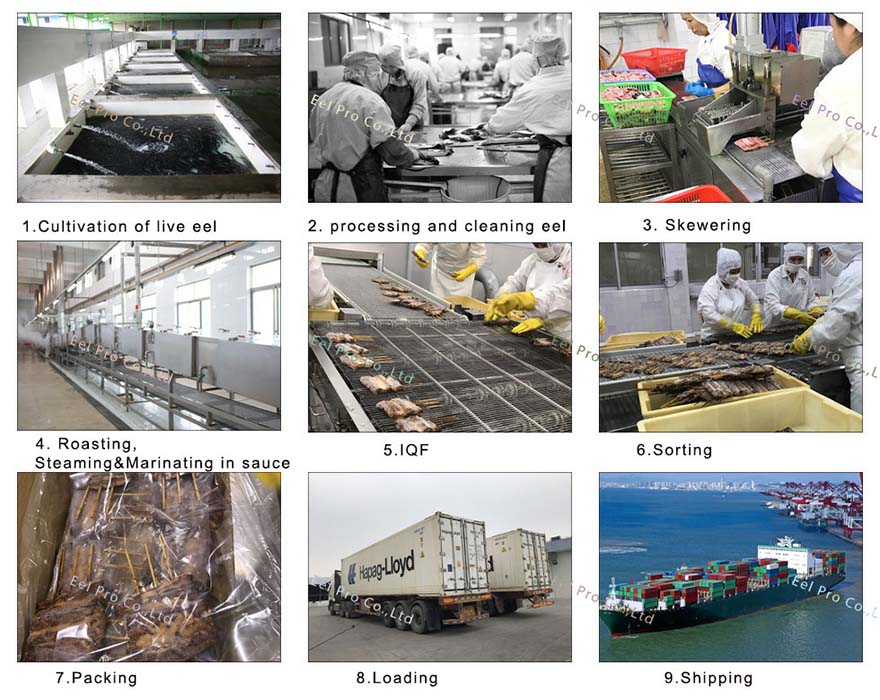
Ultimately, the consistency of your final dish often depends on the consistency of your supplier. For B2B clients like Japanese restaurant chains and US food importers, unpredictable product performance is a major operational risk. This is where a vertically integrated supply chain makes a difference.
At Eelpro, we manage the entire lifecycle of our eel, ensuring the product you receive is engineered to perform well in a professional kitchen. Our commitment to quality is validated by our ISO 22000:2018, HACCP, and HALAL certifications.
Here’s how our production standards help you avoid the "soggy bowl" problem:
- Full-Chain Traceability: With ~20 customs-registered aquaculture bases covering over 2,150 mu, we have full control over the raw material. Our eels are raised to specific standards, resulting in a consistent texture and fat content. This traceability from farm to shipment, verified by our in-house eel lab, means no surprises.
- Advanced Roasting Technology: Our patented low-fat roasting and deodorizing equipment is designed to produce a firm, flaky eel fillet. Unlike conventionally processed eel that can become mushy, our product holds its structure during reheating, preventing it from falling apart and releasing excess water.
- Standardized Sauce Application: We apply sauce using a 4-layer, temperature-controlled process. This ensures every piece of unagi has a complete, even glaze that adheres to the eel, rather than a thick, loose coating that will slide off and pool in the bowl.
- Reliable Cold-Chain Logistics: With a 1,000-ton cold storage facility, our products are maintained at a stable temperature until shipment. This prevents the formation of large ice crystals and freezer burn, which can damage the eel's cellular structure and cause it to release water upon thawing.
When you source from a supplier with this level of process control, you are not just buying frozen eel; you are buying predictability. You can build your unagi don recipe with confidence, knowing the main ingredient will perform the same way every time.
For foodservice operators and importers seeking consistent quality and performance in their eel products, contact our team to request a sample or discuss our specifications.