

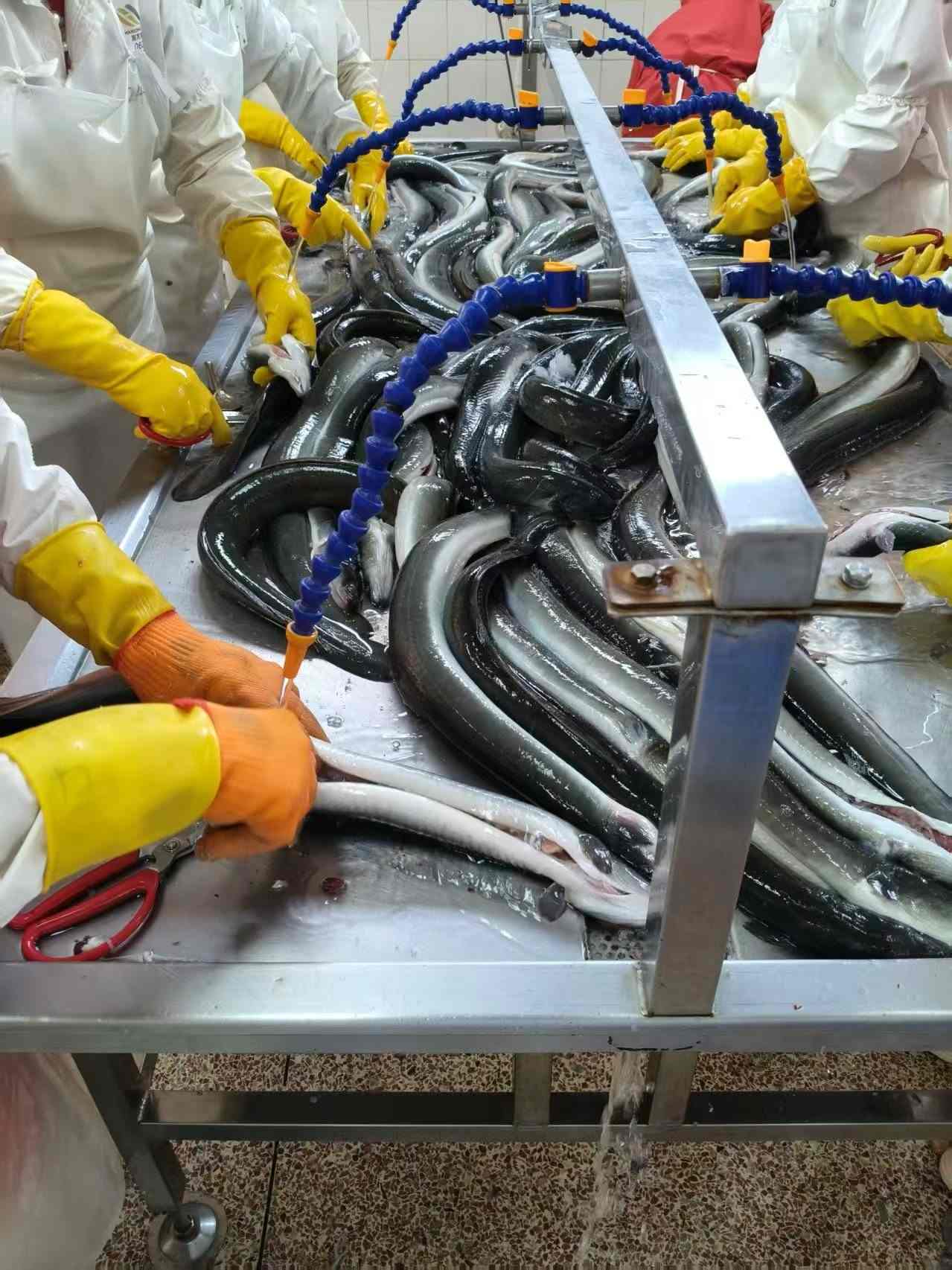
Anago Meaning Explains Why It Usually Refers to Saltwater Eel
You are reading a sushi menu, see anago beside unagi, and wonder whether both simply mean eel. They do not. The anago meaning is usually a saltwater conger eel in Japanese food, while unagi normally refers to freshwater eel. That small difference changes the flavor, texture, preparation, and dish you should expect.
In Japanese dining, anago most often means conger eel, a marine eel used for sushi, rice bowls, simmered dishes, and grilled preparations. So, does anago mean saltwater eel in Japanese? Yes, in a culinary context, but “saltwater eel” is a broad translation. The more useful answer is “conger eel served in Japanese cuisine.”

Does anago mean saltwater eel when you see it on a menu?
For diners, the practical anago meaning is straightforward: it indicates a marine eel, usually conger eel, rather than the freshwater eel called unagi. This is the answer that matters when choosing nigiri, chirashi, donburi, or a grilled eel dish.
Still, do not treat “saltwater eel” as a full species label. Japanese seafood naming can vary by region, market practice, and restaurant style. A menu using anago is telling you the eel category and culinary tradition, not necessarily providing a scientific species declaration.
| Japanese menu term | Usual English meaning | Habitat association | What diners often notice |
|---|---|---|---|
| Anago | Conger eel | Saltwater or marine | Lighter, softer, and often gently simmered or steamed before sushi service |
| Unagi | Freshwater eel | Freshwater | Richer flavor, often grilled in kabayaki style with a sweet-savory glaze |
| Eel | General English category | Not specific | Ask the restaurant whether it is anago, unagi, or another eel type |
The best ordering choice depends on your preference. Choose anago when you want a softer, milder sushi topping with less caramelized sauce. Choose unagi when you want the familiar glossy grilled eel profile found in many Japanese rice bowls. This distinction does not apply when a menu already identifies the exact species in English, because the menu has provided more detail than the broad Japanese food term alone.
The anago meaning also helps menu writers avoid a common translation error: calling every Japanese eel dish “unagi.” That wording may be convenient, but it erases an important ingredient difference.
Japanese culinary definition of anago and its non-food uses
The culinary anago meaning is a Japanese word for conger eel, especially when describing food. On a sushi counter, in a seafood market, or in a recipe title, it should be understood as an eel ingredient rather than a cooking method, sauce, or flavor.
Outside food, “Anago” can appear as a romanized proper name, online handle, product name, or informal label. Those uses do not give it a separate standard culinary translation. Context decides the meaning.
| Where you see “anago” | Best interpretation | What to do next |
|---|---|---|
| Sushi menu or Japanese recipe | Conger eel | Expect a marine eel dish; ask about preparation if sauce or texture matters. |
| Seafood product specification | Possible conger eel category | Request the scientific species, origin, cut style, and processing details before buying. |
| Personal name, account name, or unrelated brand | Not necessarily food-related | Do not assume it refers to saltwater eel without surrounding food context. |
| English menu saying only “eel” | Too broad to identify anago | Ask whether the dish uses conger eel or freshwater unagi. |
A useful boundary is this: anago is not a universal Japanese word for every eel. Its food use points toward conger eel. If the conversation is not about seafood or Japanese cooking, the anago meaning may not be culinary at all.
How anago differs from unagi at the table
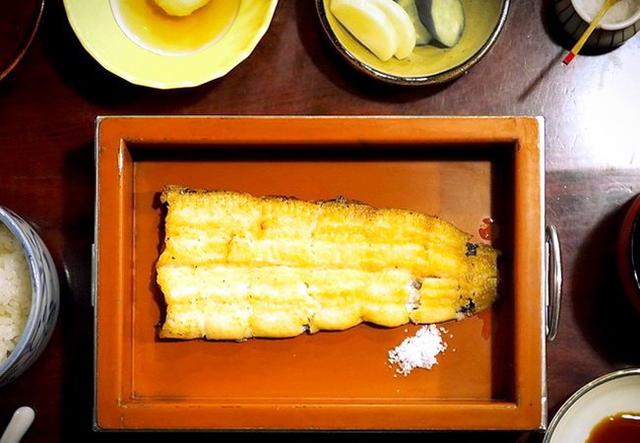
The difference between these two eels becomes obvious when the plate arrives. Anago is frequently prepared to highlight tenderness. It may be simmered, steamed, brushed with a light sauce, then placed over rice. Unagi is widely associated with kabayaki: split eel grilled and coated with a sweet-savory tare.
The anago meaning should not be used as a promise that every serving will taste delicate, because restaurants use different sauces, cooking steps, and eel sizes. It is a reliable ingredient clue, not a guarantee of one exact flavor.
Choose anago if this is your goal
- You want a sushi topping that is usually soft and less heavily grilled.
- You prefer a milder eel character over a deep glazed flavor.
- You are comparing different traditional Japanese sushi toppings.
- You want to try a marine eel rather than the freshwater eel commonly used for kabayaki.
Choose unagi if this is your goal
- You want the familiar grilled eel bowl experience.
- You enjoy a richer bite with a sweet-savory glaze.
- You want a dish that pairs naturally with rice and tare.
- You are looking for prepared frozen eel suitable for foodservice or home heating.
For the second option, review our unagi kabayaki product page to see how frozen roasted freshwater eel differs from anago-style menu descriptions. Eelpro supplies frozen unagi kabayaki, rather than presenting anago as interchangeable with its freshwater eel products.
A practical ordering checklist for sushi diners and menu readers
Use this short process before ordering. It turns the anago meaning into a practical decision instead of a vocabulary fact.
- Read the dish name. Look for anago, unagi, eel, kabayaki, nigiri, or donburi.
- Check the preparation. “Simmered,” “steamed,” and “sushi” often suggest a softer presentation; “grilled” and “kabayaki” point toward a stronger roasted character.
- Ask one direct question. Say: “Is this anago conger eel or freshwater unagi?”
- Ask about bones if texture matters. Eel preparation varies, and a restaurant should explain its handling method.
- Confirm the sauce level. A light brush and a heavy tare coating can make the same eel category taste very different.
This approach fits diners ordering unfamiliar sushi, home cooks choosing frozen eel, and menu editors checking translations. It does not replace allergen advice. Anyone with a fish or seafood allergy should ask the restaurant or supplier about ingredients, shared preparation areas, and sauces before eating.
Common mistakes when translating anago on a Japanese menu
The most expensive mistake for a restaurant is not spelling. It is setting the wrong expectation. If a guest expects grilled freshwater unagi but receives soft anago sushi, the dish may be excellent and still feel wrong. Use the anago meaning accurately from the start.
- Mistake: Translating anago as simply “eel.”
Better wording: “conger eel” or “saltwater conger eel.” Use “eel” only when space is limited and the menu includes a clearer description elsewhere. - Mistake: Calling anago “unagi.”
Better wording: keep the terms separate. They refer to different culinary eel categories. - Mistake: Assuming all anago is grilled.
Better wording: describe the actual preparation, such as simmered, steamed, sauced, or sushi-style. - Mistake: Treating the word as a species certificate.
Better wording: for purchasing documents, request the exact species and product specification. - Mistake: Ignoring sauce.
Better wording: tell guests whether the eel is lightly seasoned or finished with tare.
Cold food fact: Anago sushi is often cooked before service, even when it looks like a classic raw-style nigiri topping. Do not assume that all sushi toppings are raw. Ask the chef if the menu description is unclear.
What buyers should confirm before sourcing eel for a menu
For restaurant buyers, importers, and foodservice teams, the anago meaning is only the first screening point. The next task is matching the ingredient to the menu format. A sushi bar may need tender slices; a rice-bowl program may need glazed freshwater eel portions; a central kitchen may need standardized cuts and ready-to-heat packs.
| Buying need | Best question to ask | Why it matters |
|---|---|---|
| Accurate menu naming | Is this conger eel or freshwater eel? | Prevents anago and unagi from being used as substitutes in customer-facing copy. |
| Consistent portions | What cut style is available? | Cut choice affects sushi assembly, bowl presentation, and labor time. |
| Sauce pairing | Is sauce included or supplied separately? | Allows chefs to control sweetness, coating level, and final presentation. |
| Import documentation | Which food safety and traceability documents are available? | Helps buyers evaluate compliance requirements before confirming an order. |
Eelpro’s frozen unagi kabayaki is supported by ISO 22000:2018, HACCP, HALAL certification, export food producer registration, and full-chain traceability through approximately 20 customs-registered farming bases. For sauce-led dishes, buyers can also review our eel sauce product page. Our production process includes a four-layer soy-sauce coating method for roasted eel products, but that does not mean every Japanese eel dish, especially anago sushi, uses the same preparation.
For buyers comparing food safety controls, our eel laboratory controls explain the role of in-house testing and metal detection in the production chain.
Frequently asked questions about anago
Is anago always saltwater eel?
In Japanese culinary use, the anago meaning normally points to marine conger eel. However, it is still better to request exact species details when writing a product specification, import declaration, or formal menu description.
Is anago the same as unagi?
No. Anago usually means conger eel associated with saltwater, while unagi usually refers to freshwater eel. They may both appear in Japanese cuisine, but they should not be translated as if they were the same ingredient.
Does anago taste fishy?
Not necessarily. Many diners find it mild and soft, particularly in sushi preparations. Taste depends on freshness, cooking method, sauce, and the restaurant’s recipe. The anago meaning identifies the eel type; it does not guarantee one flavor profile.
Can I use unagi instead of anago in a recipe?
You can use unagi when the recipe is flexible and you want a richer grilled result. Do not substitute it when the dish specifically depends on the soft, lightly seasoned character associated with anago sushi. For practical preparation ideas, see our easy eel cooking methods.
Understanding the anago meaning makes ordering easier: choose anago for Japanese conger eel and unagi for the familiar freshwater grilled eel style. If you are planning an eel menu or need product selection advice, request an Eelpro specification sheet or sample discussion.