

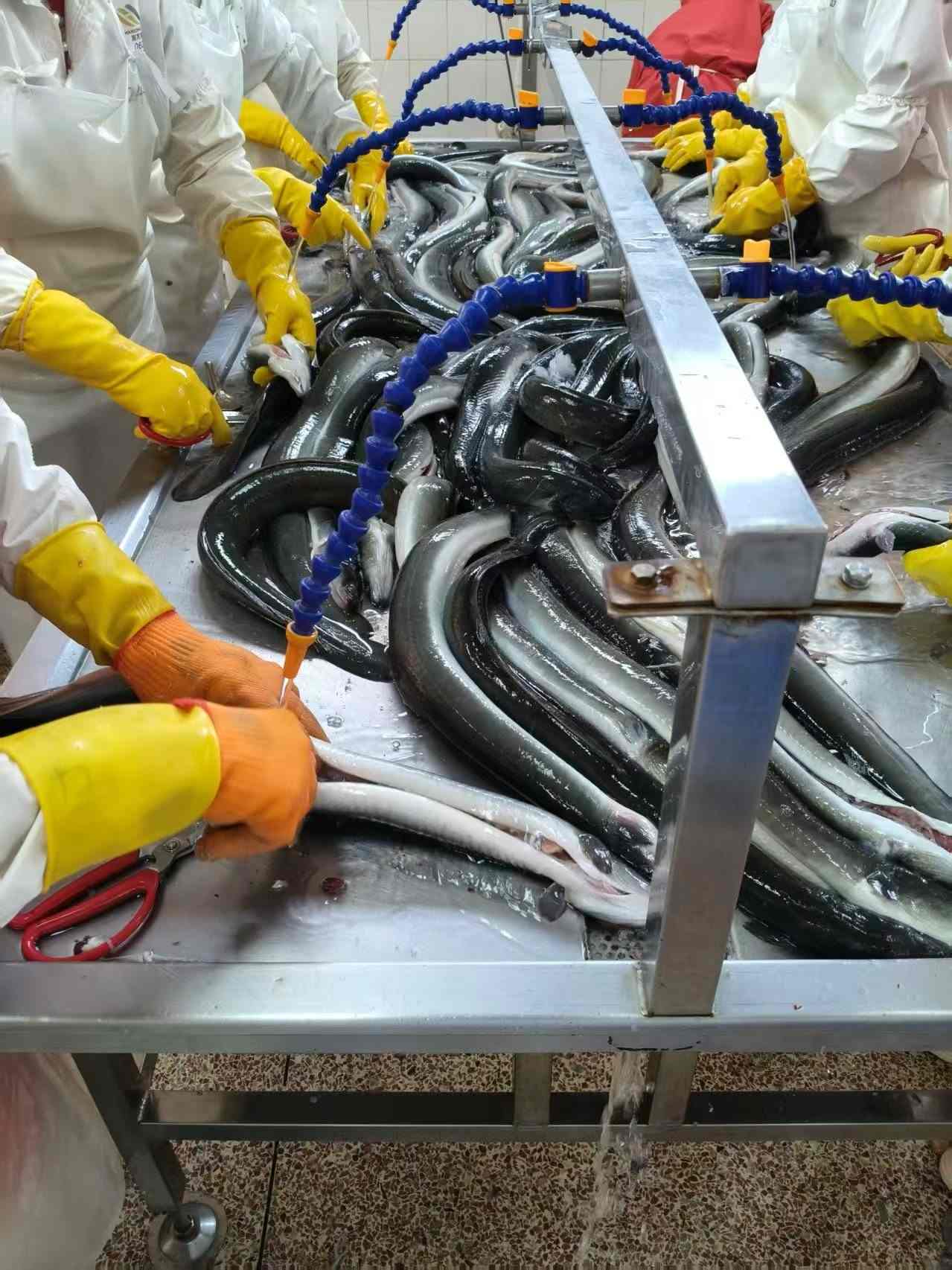
Anago Meaning Helps You Identify Japanese Conger Eel
One menu word can send you in the wrong direction. Search “anago,” and you may find Japanese seafood, a personal or community name, or unrelated language references. The anago meaning changes with context, and that difference matters before you order sushi, choose eel for a recipe, or source a product for a foodservice menu.
In Japanese food, anago usually refers to a saltwater conger eel. It is not the same ingredient as unagi, the freshwater eel commonly prepared as kabayaki. The names may appear beside each other on sushi menus, but their habitat, texture, cooking style, and purchasing specifications differ.
For a Japanese-food reader, the simplest starting point is this: the anago meaning on a sushi menu is seafood. If the same word appears in an anthropology, language, or cultural reference, it may have nothing to do with fish at all.

Start With the Japanese Food Context Before Defining the Word
The practical anago meaning in Japanese cuisine is usually a conger eel, commonly associated with the species Conger myriaster in Japanese seafood trade and cooking. Anago is generally a marine eel. It is valued for a lighter character than unagi and often appears in sushi, simmered dishes, tempura, grilled preparations, or rice bowls.
That definition fits when the surrounding words mention sushi, nigiri, tempura, seafood, Tokyo-style sushi, simmered sauce, or Japanese restaurant dishes. It does not automatically fit when “Anago” is capitalized in an article about people, language, geography, or cultural identity.
| Where You See the Word | Likely Meaning | What to Check Next | Why It Matters |
|---|---|---|---|
| Sushi menu or seafood counter | Japanese conger eel | Ask whether it is simmered, grilled, frozen, or fresh | The cooking method affects texture and serving use |
| Japanese recipe | Conger eel ingredient | Confirm whether the recipe needs anago or unagi | Substituting freshwater eel changes flavor and richness |
| Import specification sheet | Possible seafood product name | Request scientific name, origin, cut, and processing details | Common names alone do not create a purchase specification |
| Language, history, or identity source | Ethnolinguistic name or related proper name | Check the subject of the page, not only the spelling | It is not evidence of a seafood species or menu item |
The conclusion is straightforward: use the subject matter around the word as your first filter. This works for menu reading, online searching, and supplier communication. It does not replace a product specification when you are buying frozen eel for a restaurant chain, distributor, or retail program.
A useful food clue is the Japanese writing. Anago is often written as 穴子, while unagi is written as 鰻. You do not need to read Japanese fluently to use this check. Copy the characters from a menu or supplier document and compare them with the product description. If the document offers only the English word “eel,” ask for more detail.
Understand the Boundary Between Japanese Seafood and Anago or Nago as an Ethnolinguistic Name
The most common source of confusion is assuming that identical spelling always means identical subject matter. It does not. The anago meaning in Japanese food is a seafood term. “Anago” or “Nago” may also appear as an ethnolinguistic name in references to communities, languages, identities, or regional naming traditions. These uses belong to different categories.
For food buyers and home cooks, the safe rule is simple: do not use an ethnolinguistic reference to identify a fish, and do not use a Japanese sushi term to identify a people or language.
| Parameter | Anago in Japanese Food | Anago or Nago in Ethnolinguistic Contexts | What Goes Wrong if Misread |
|---|---|---|---|
| Category | Seafood and culinary term | Proper name connected with people, language, or identity | A search result is treated as a product definition when it is not |
| Typical surrounding words | Sushi, eel, seafood, nigiri, tempura, sauce, restaurant | People, language, culture, community, region, history | Search filters return unrelated pages and delay research |
| Useful verification | Scientific name, habitat, processing form, ingredient list | Source subject, geographic context, and cultural reference | A buyer may put the wrong term into an RFQ or menu translation |
| Capitalization | May appear in lower case in menu descriptions | Often capitalized as a proper name | Capital letters alone are not enough to determine meaning |
| Commercial relevance | Product selection, labeling, recipe suitability, import documents | Research and accurate cultural reference | Incorrect labeling can confuse staff and customers |
The key parameter is not spelling. It is context. A phrase such as “anago nigiri” clearly points to food. A phrase such as “Nago language” points to an ethnolinguistic subject. If a web page contains neither culinary terms nor language-and-community terms, do not guess from the title alone.
Cold fact: capitalization is a weak clue. A restaurant may capitalize “Anago” because it begins a menu line, while a cultural source may use lower case in a sentence. Check the nouns around it. This small habit prevents many incorrect translations.
The anago meaning should therefore be defined at sentence level, not by spelling alone. This approach fits search research and menu planning. It does not apply when a supplier already provides a scientific species name and clear processing description; in that case, the specification should take priority.
Compare Anago and Unagi Before Choosing an Eel Dish
Japanese cuisine uses both terms often, yet they describe different eel categories. The anago meaning is connected with marine conger eel, while unagi generally refers to freshwater eel. For diners, this changes the expected bite. For kitchens, it changes the preparation plan. For purchasers, it changes the product request.
Unagi is widely known for kabayaki: eel grilled with a sweet-savory soy-based tare. Anago is often gently simmered before being brushed with a lighter sauce for sushi, although preparation varies by chef and region. Neither method is “better.” The right choice depends on the dish you want to serve.
| Decision Point | Anago | Unagi | Best Fit |
|---|---|---|---|
| Usual habitat reference | Saltwater conger eel | Freshwater eel | Use habitat to prevent basic product confusion |
| Common Japanese serving style | Sushi, simmered preparations, tempura | Kabayaki, rice bowls, sushi, grilled dishes | Match the item to the intended menu format |
| Eating character | Often lighter and softer when properly prepared | Often richer with a fuller grilled flavor | Choose based on the sauce level and menu balance |
| Useful sourcing detail | Ask for species and preparation form | Ask for cut style, sauce treatment, and packaging | Use clear details rather than the word “eel” alone |
| When substitution may fail | When a recipe expects kabayaki richness | When a sushi item expects soft simmered conger texture | Test the recipe before changing the listed ingredient |
If you are making a grilled rice bowl, frozen unagi kabayaki is usually the more direct match because it is already associated with the kabayaki format. See our unagi kabayaki product page for the product category and serving direction.
If you are reading a sushi menu, do not assume that anago means grilled kabayaki. Ask the chef or server how it is prepared. This advice fits restaurants with changing daily seafood selections. It may not be necessary for a menu that already states “simmered conger eel” or provides a full ingredient description.
The anago meaning becomes especially useful when translating recipes. A recipe calling for anago may not deliver its intended result if you replace it with heavily sauced kabayaki. The reverse is also true: an unagi rice bowl can lose its familiar grilled sweetness if the eel component is changed without adjusting sauce and cooking method.
Use a Four-Step Check When Search Results Conflict
Conflicting results are normal. Search engines mix culinary pages, dictionaries, personal names, social posts, and academic references. Instead of opening random results, use this four-step check. It turns the anago meaning into a clear, usable answer.
- Read the surrounding words. Look for sushi, fish, restaurant, recipe, or seafood. These point toward the Japanese culinary use. Look for people, language, culture, or region when the result appears to be an ethnolinguistic reference.
- Identify the product category. If it is food, determine whether the page means marine conger eel or freshwater unagi. Do not stop at the generic word “eel.”
- Check the preparation. “Simmered,” “sushi,” “tempura,” and “grilled kabayaki” are not interchangeable instructions. They tell you how the ingredient is expected to perform on the plate.
- Verify before ordering. For a purchase inquiry, request the scientific name, processing style, cut specification, packaging format, and destination-market requirements.
This process fits home cooks who are choosing a recipe and commercial buyers reviewing product listings. Its limit is clear: a search result cannot replace a supplier’s label, certificate package, or agreed specification sheet.
For example, imagine a restaurant buyer searching for “anago sauce” while planning a Japanese rice bowl. The results may include sushi preparations, eel sauces, and unrelated references. The buyer should first decide whether the menu needs marine conger eel or freshwater unagi. If the intended dish is a glossy grilled eel bowl, the likely target is unagi kabayaki with tare rather than anago sushi topping. The buyer can then review an eel sauce product page and request a matched product specification.
Avoid These Common Anago Search and Menu Mistakes
The anago meaning is easy to identify once you know what to exclude. The following mistakes are common because English search results often flatten several meanings into one list.
- Using “eel” as the complete specification. This fails when a recipe, importer, or customer expects a specific habitat and preparation style. Ask whether the intended eel is anago or unagi.
- Assuming anago always means kabayaki. This fails because anago is often presented differently in Japanese cooking. Check whether the dish needs simmered conger eel, tempura-ready eel, or another format.
- Choosing by photo alone. Sauce color and grill marks can hide the underlying product. Use the written description and supplier details.
- Treating a proper name as a seafood term. This fails when “Anago” or “Nago” appears in a language or cultural source. Search the full phrase, not the isolated word.
- Ignoring the destination market. A product suitable for one menu concept may still need different documentation or labeling for another market. Confirm requirements before import planning.
For commercial sourcing, Eelpro applies export quality standards to its product supply and maintains full-chain traceability through approximately 20 customs-registered eel farming bases covering more than 2,150 mu. The company operates two modern production lines with annual finished-goods capacity of 4,000 tons, supported by a 1,000-ton cold storage facility. These details matter when a buyer is sourcing frozen unagi kabayaki rather than researching the culinary definition of anago.
Our frozen roasted eel production uses a four-layer soy-sauce coating process, with defined color standards from white-roasted eel through the first to fourth coating stages. This is relevant for buyers seeking consistent kabayaki presentation. It does not mean anago and unagi are interchangeable ingredients.
Buyers who need documented food-safety controls can also review our eel laboratory controls. Eelpro holds ISO 22000:2018, HACCP, HALAL certification, export food producer registration, and an SC Food Production License covering quick-frozen prepared foods. Products are supplied to markets including Japan, the United States, Germany, Poland, Australia, Indonesia, and other Southeast Asian foodservice channels.
Choose the Right Search Term for the Result You Need
Use “anago sushi” when you want Japanese conger eel dishes. Use “anago vs unagi” when you need a menu or recipe comparison. Use “frozen unagi kabayaki” when you are looking for grilled freshwater eel in a ready-to-heat format. Add “language,” “people,” or “culture” only when researching Anago or Nago as an ethnolinguistic name.
The anago meaning is not difficult once the food context is separated from unrelated uses. In a Japanese restaurant setting, it points to conger eel. In a cultural or language reference, it may be a proper name with no culinary connection. Read the surrounding words, confirm the ingredient, and specify the preparation before making a choice.
Request a product specification or sample guidance from Eelpro when your menu requires frozen unagi kabayaki, eel sauce, or tailored eel cuts.